
Commercial Roofing in Lisbon, IA
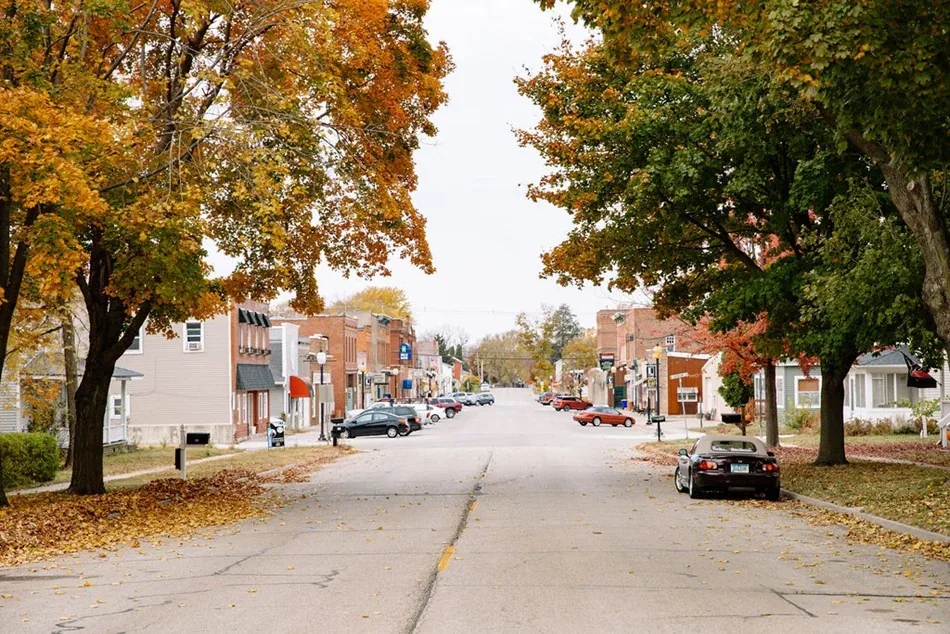
A storefront parapet can hide a failed membrane termination behind metal coping, letting water move through the wall turn before it reaches the room below. In Lisbon, IA, we follow that connection from the roof field into its receiver and supporting materials before deciding whether the repair can stay local. Commercial Roofing Cedar Rapids documents the visible edge, compares it with the interior report and sets a removal point that can be closed securely. Lisbon's public library occupies a historic downtown storefront, and its second floor, Heritage Hall, is used for concerts, theater and other programs. That civic reuse makes scheduling and interior protection relevant, but it does not establish the roof construction. We inspect the property under review.
Lisbon Community School District also operates local public schools. School and community uses can place people below a repair zone, so we confirm actual hours, access and room restrictions with the facility contact. Those operating limits shape staging; the failed assembly determines the permanent detail.
Coping splice: Find where water crosses the wall turn
At a parapet, the metal cap, cleat, splice and membrane termination work together. A moving splice can open a path at the top, while a loose receiver or deteriorated substrate may let water travel behind the flashing. We inspect both sides of the junction, check the attachment and look for staining, corrosion or prior sealant that obscures the original connection. A coping and edge-metal repair has to restore the receiver and membrane transition, not merely cover the seam.
We compare the exterior condition with the interior report and nearby roof details. If the path remains unclear, a controlled opening shows whether insulation and deck are dry and firm. The removal limit follows the exposed condition. A new termination only works when the retained layer can accept the correct lap and the cap can remain secure through movement and drainage exposure.
Program schedule: Protect occupied rooms below
Heritage Hall is used for cultural programming on the library's second floor. For work above an active venue, we ask when the room is occupied, which entrances must remain clear and whether interior protection or a short access window is available. We plan the roof opening, material staging and close-in around those constraints with the building contact. A phased occupied-roof sequence can divide the area into manageable zones while keeping a secure edge at each pause.
Public-school operations create a similar need to coordinate people and rooms, but not a shared roof detail. We confirm the affected space, work perimeter, noise periods and emergency route before equipment arrives. If removal exposes wet insulation or an unstable deck, the crew protects the opening and pauses at the approved boundary. Photos and a revised quantity give the owner a clear decision before additional work extends.
For the roof itself, we check seams, drains, curbs and penetrations near the reported leak. A school roof inspection reviews the actual assembly and operating conditions rather than presuming all facilities use the same materials.
Drain approach: Keep water moving away from the repair
A parapet repair can fail again if the adjoining low point keeps water against the new flashing. We trace slope toward the outlet, inspect the drain bowl and nearby seams, and note whether debris, compressed insulation or a displaced cricket interrupts the route. A drain and scupper repair addresses the outlet connection; it does not make saturated insulation or a soft deck sound. We keep maintenance and waterproofing corrections separate in the scope.
Cold or damp roof surfaces can compromise a lap. We check temperature and moisture before preparation and size the work area for a secure close-in. The daily work area is sized to the time available for secure close-in, with temporary protection ready if conditions shift.
Snowmelt and freeze can expose a low area or seam weakness around the outlet. We photograph the condition and identify whether correction is limited to clearing flow, rebuilding a detail or opening the assembly to reach a stable support.
Removal edge: Tie added work to what the opening shows
The proposal states the assumed area, system, access, protection and closure method. During removal, we record each layer and check whether the roof can receive a compatible replacement. If the wet boundary extends past the initial cut or the deck will not hold attachment, we stop, secure the opening and show the owner photographs before asking for approval. A roof condition record ties that finding to the repair recommendation and any work left outside the base scope.
Cost and timing depend on material type, tear-off and disposal, substrate repairs, access, drain adjustments and protection for occupied rooms. An isolated termination can support a contained repair when sound material remains around it. Repeated separations or moisture in several locations may call for comparison with restoration or replacement. We map each finding rather than extrapolating one opening across the roof.
A separate property in Mount Vernon or Cedar Rapids receives a separate inspection and estimate. Regional proximity does not identify Lisbon's deck, membrane or permit conditions.
Renewal decision: Respect the retained roof layers
Repair, recovery, coating and replacement solve different conditions. A repair can restore a limited connection when the surrounding surface and support remain sound. Recovery needs a dry, stable base and sufficient edge height for the added layer. A coating must be compatible with the existing membrane and have sound terminations. Replacement may include tear-off, insulation, deck work and revised drainage. We compare those prerequisites with observed roof conditions and the building's operating window, then explain what each scope corrects.
For a low-slope roof, the decision includes membrane type, attachment, curb details and transitions. A metal roof has panel movement, fasteners and laps to evaluate. A standing-seam roof assessment follows those connections, while a replacement scope sets the sequence and closure point for a broader project. No product choice is made from the building's age or neighborhood alone.
If water is crossing a roof connection now, our on-call team can first limit exposure and protect the space below. We then trace the wet edge and supporting layer before defining permanent work.
Close-out record: Make the repaired detail easy to review
At handback, we identify the original failure, layers removed, substrate correction and final termination. Photographs show the opening, receiving edge and completed coping or membrane connection. Any nearby condition that was not included in the approved scope remains a separate recommendation.
Share the interior report, roof records, access rules and program schedule when requesting a Lisbon assessment. We use them to plan investigation and protection, then document what the roof showed. Commercial Roofing Cedar Rapids repairs, restores, replaces and maintains low-slope and metal roofs, with the final scope tied to sound support and a secure close-in.
For an active leak, our emergency response is available every hour of the week. Permanent work follows the observed assembly and approved removal boundary, leaving the owner with photos and a clear list of any remaining roof decisions.
Commercial Roofing Questions
Does the library's historic storefront mean its roof needs a special system?
The storefront history provides building-use context, not a roof specification. We review the actual membrane or metal, parapet, drainage and supporting layers before recommending a compatible repair or renewal scope.
How can repair work be coordinated around Heritage Hall programs?
We confirm the schedule with the facility contact, set the roof access and staging route, identify the room below and limit each opening to a secure daily close-in. Interior protection is agreed before material is removed.
Why inspect the drain when the leak appears at a parapet?
Water held near a wall can load the flashing and expose a weak lap. We trace the slope and outlet so a rebuilt termination is not left beside an unresolved drainage condition.
What changes a repair estimate after work begins?
A broader wet boundary, weak deck or failed receiver can change material and labor quantities. We document the exposed condition and get approval for a defined extension before the crew passes the priced removal limit.
Can a roof be coated instead of replaced?
Only when the existing material, surface preparation, attachment and terminations are suitable. We inspect those conditions and compare coating with repair, recovery and replacement rather than using a coating to conceal active moisture or movement.
Related Pages
Request a roof assessment or call 555-555-5555.
Questions? Call Us
Free roof assessment