
Roof Systems
Roof Systems in Cedar Rapids, IA
A membrane name does not reveal what sits below it or how its edges are held. For a roof in Cedar Rapids, IA, we inspect the field sheet, seams, insulation, deck, drainage and perimeter before recommending a system. The right choice depends on whether the existing support is dry and firm, how equipment interrupts the field and where runoff travels. A property near the Interstate 380 corridor can have different access and operating needs from one in a smaller community, but neither location determines the assembly by itself. We connect the material choice to the conditions an owner can verify at the roof.
Questions? Call Us
Free roof assessment
Commercial TPO Roofing
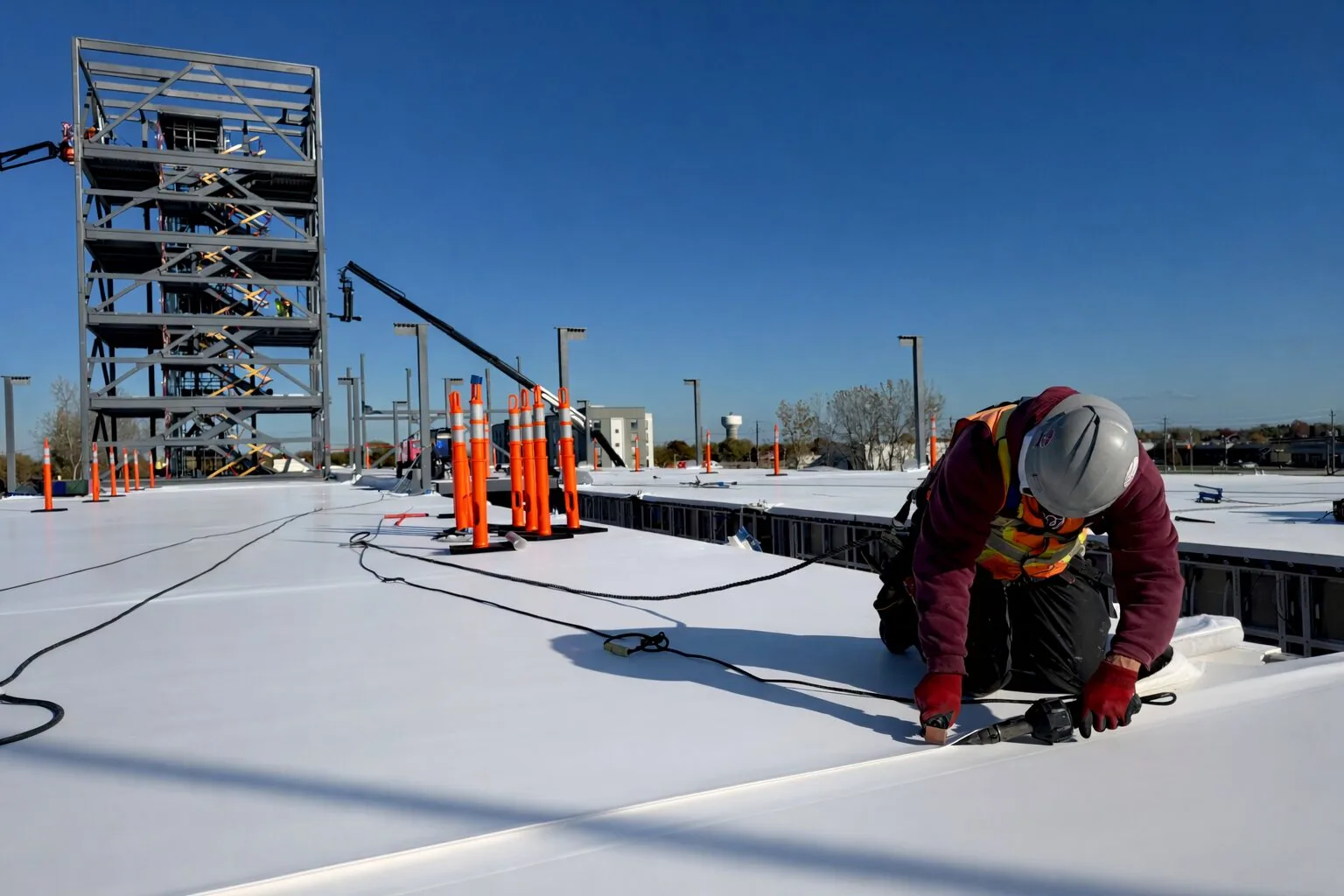
Install and repair TPO roofing in Cedar Rapids with welded details, suitable receiving layers and attachment connecting the membrane to the roof assembly.
Commercial PVC Roofing
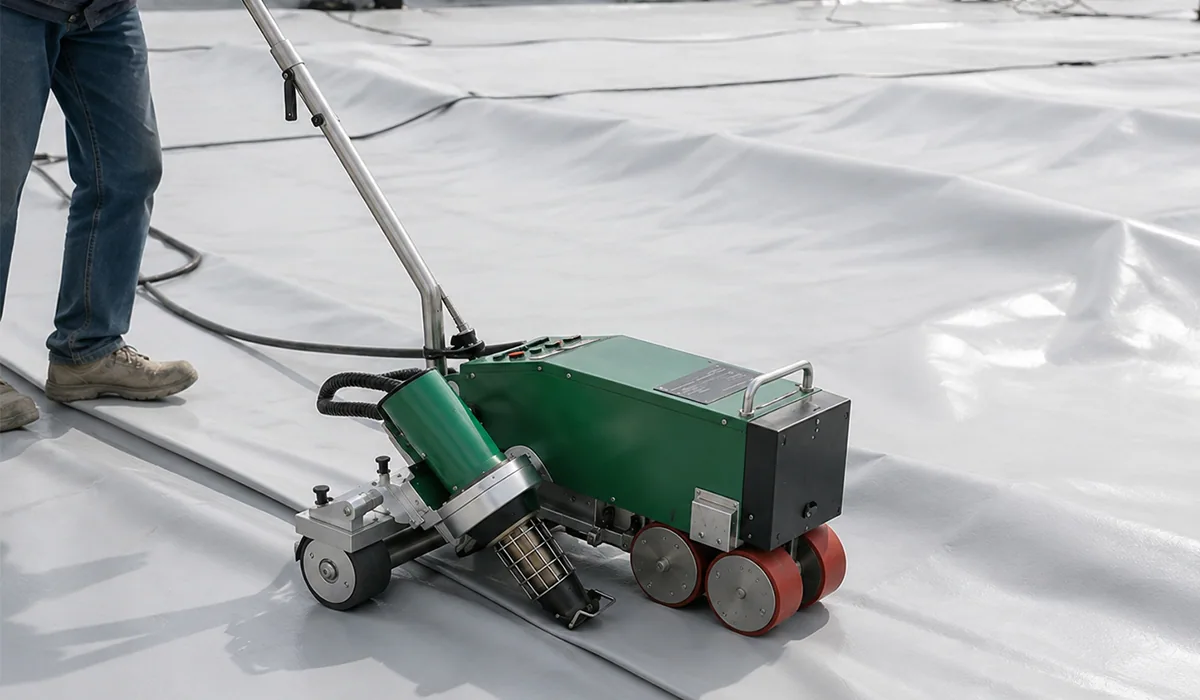
Install and repair PVC roofing in Cedar Rapids with compatible receiving layers, welded laps and details suited to commercial equipment and exposure.
Commercial EPDM Rubber Roofing
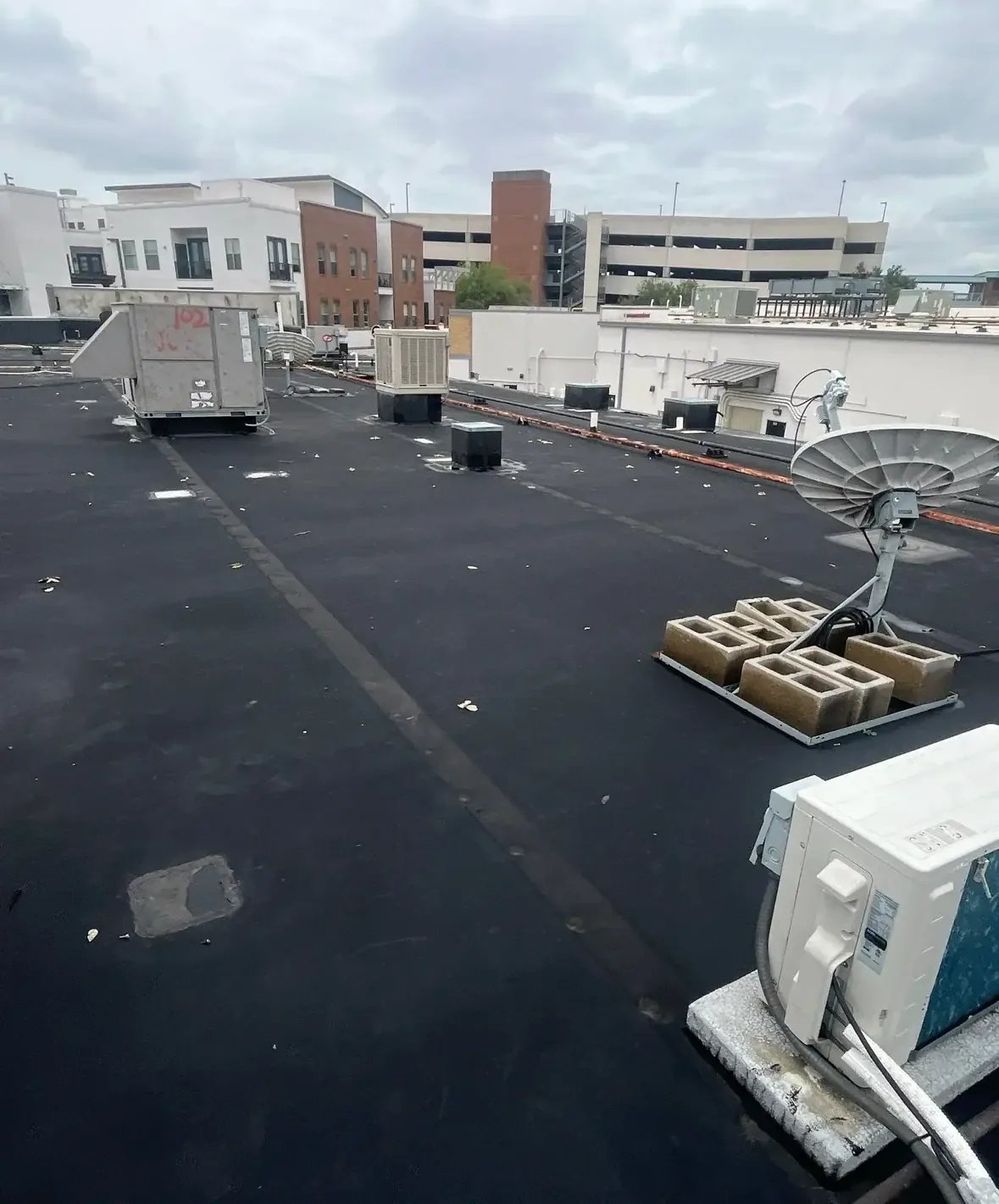
Repair and install EPDM roofing in Cedar Rapids with suitable seam preparation, rubber flashing and supporting layers that reconnect the roof assembly.
Commercial KEE and PVC-Alloy Roofing
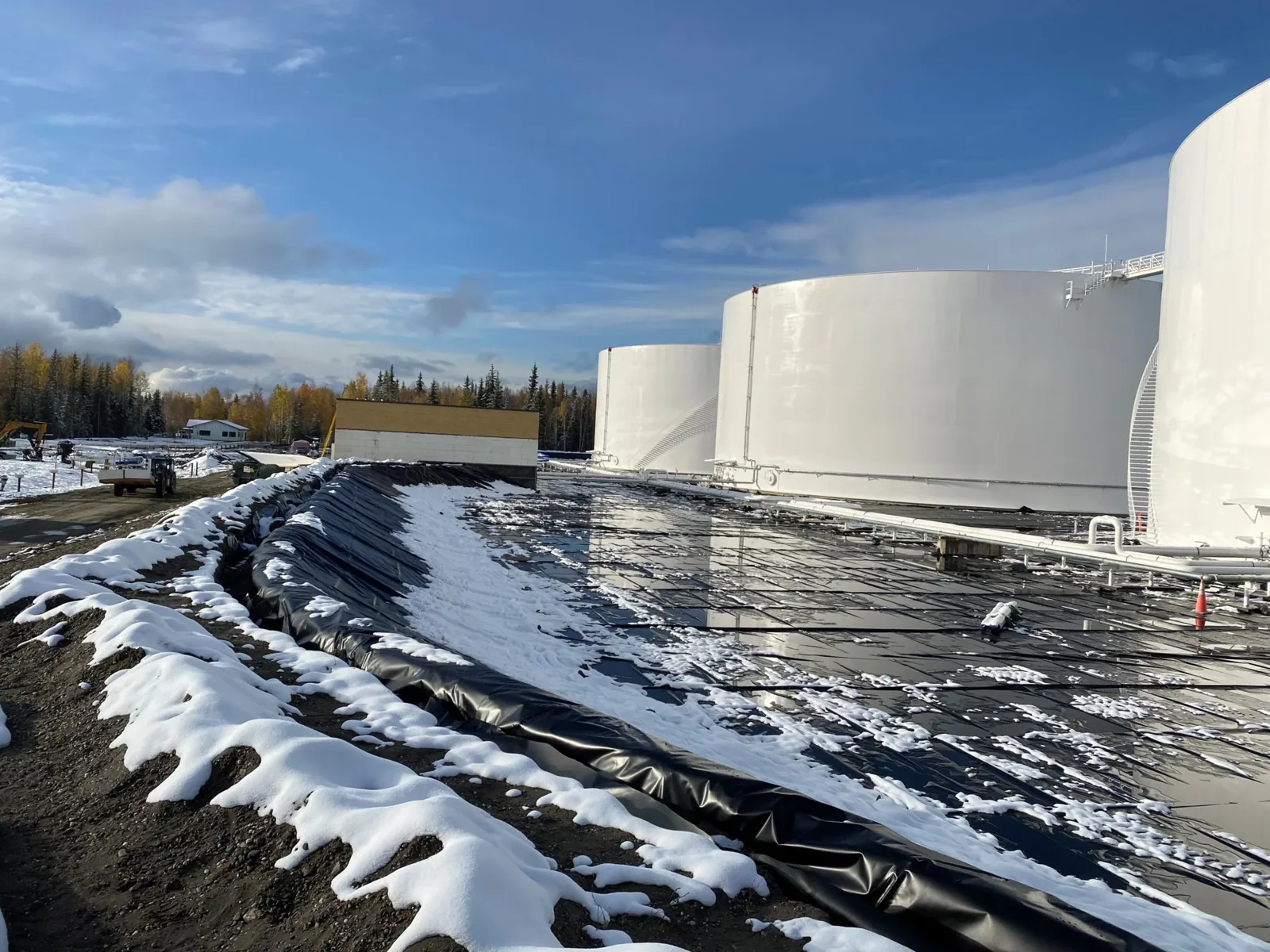
Assess KEE roofing in Cedar Rapids through component suitability, welded transitions and receiving layers before installing or repairing a commercial assembly.
Commercial Modified-Bitumen Roofing
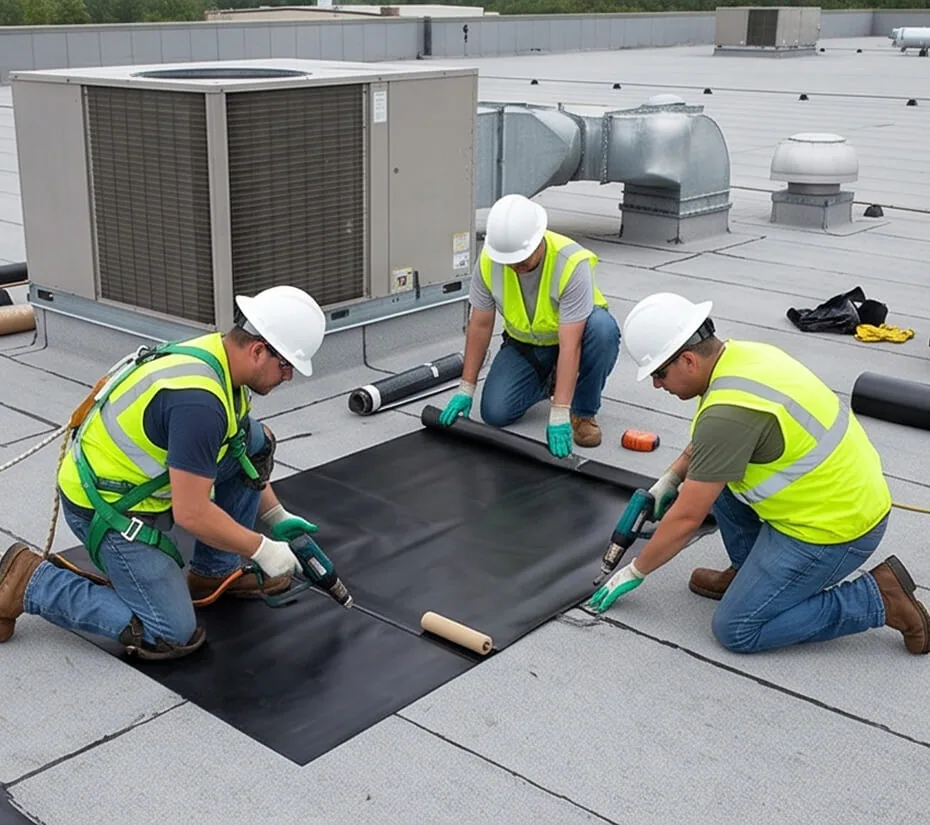
Repair and install modified-bitumen roofing in Cedar Rapids through ply adhesion, laps and flashing that connect the asphaltic assembly to suitable support.
Commercial Built-Up Roofing
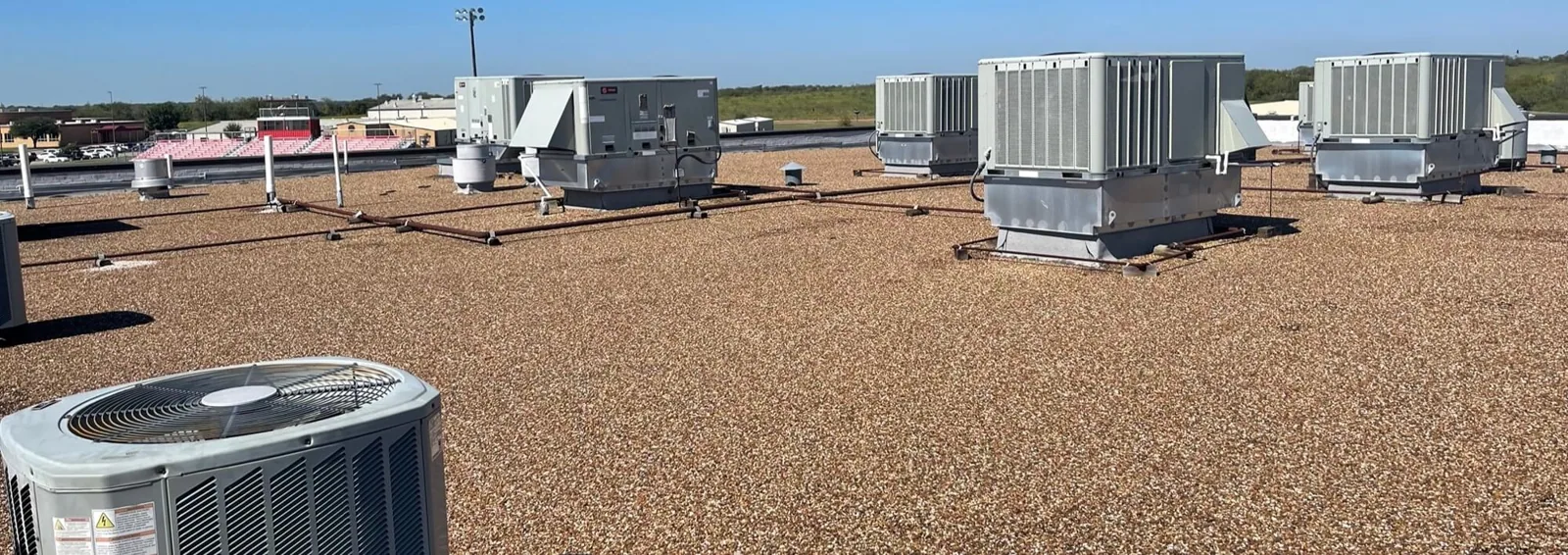
Repair and replace built-up roofing in Cedar Rapids by examining asphaltic plies, surface protection and flashing before reconnecting the layered roof assembly.
Commercial Standing-Seam Metal Roofing
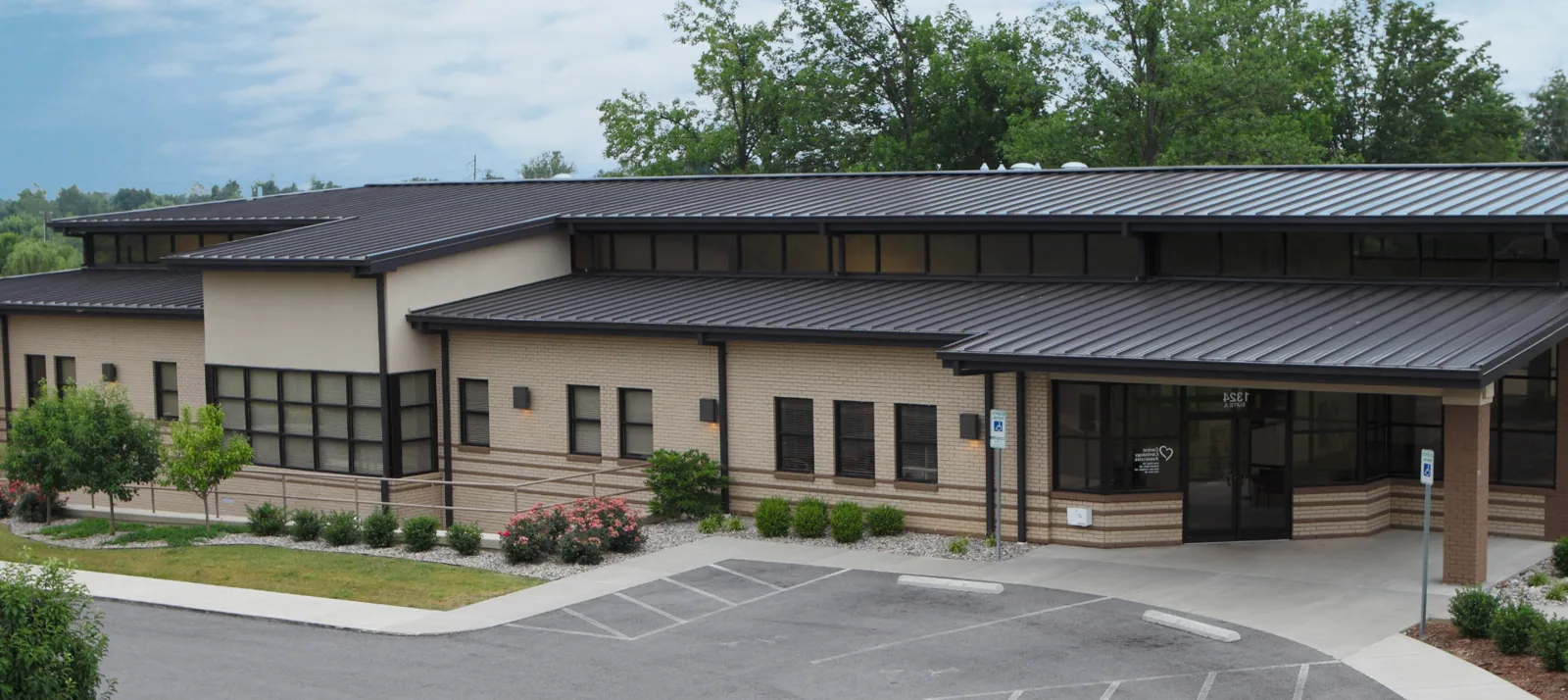
Repair and install standing-seam roofing in Cedar Rapids by examining panel movement, clips and weathering joints before reconnecting the metal assembly.
Commercial Metal Roof Retrofit
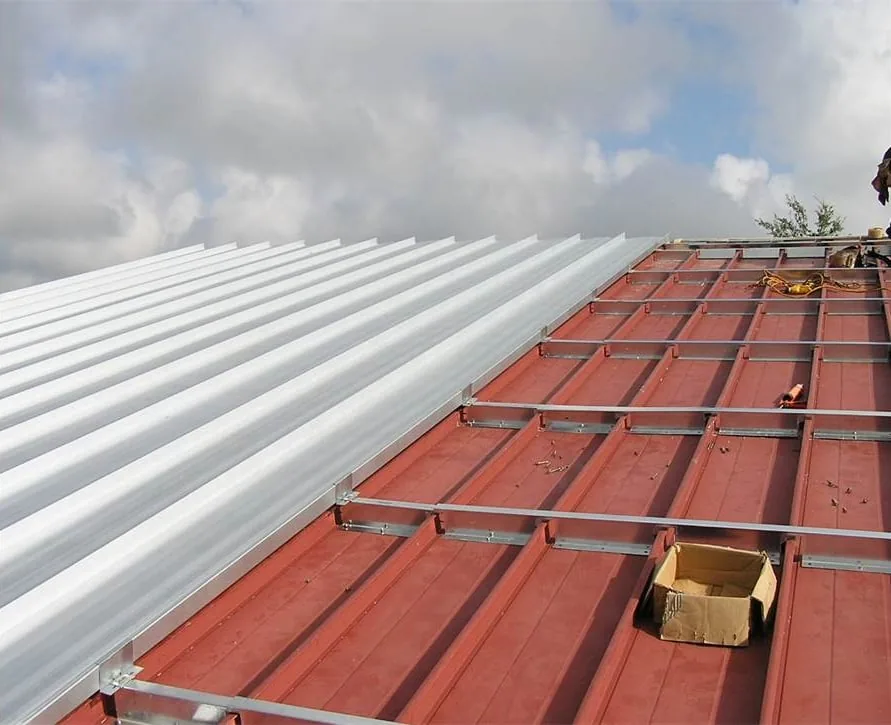
Assess metal roof retrofit in Cedar Rapids through eave height, runoff transitions, panel condition and support before rebuilding a commercial roof assembly.
Commercial Spray Polyurethane Foam Roofing
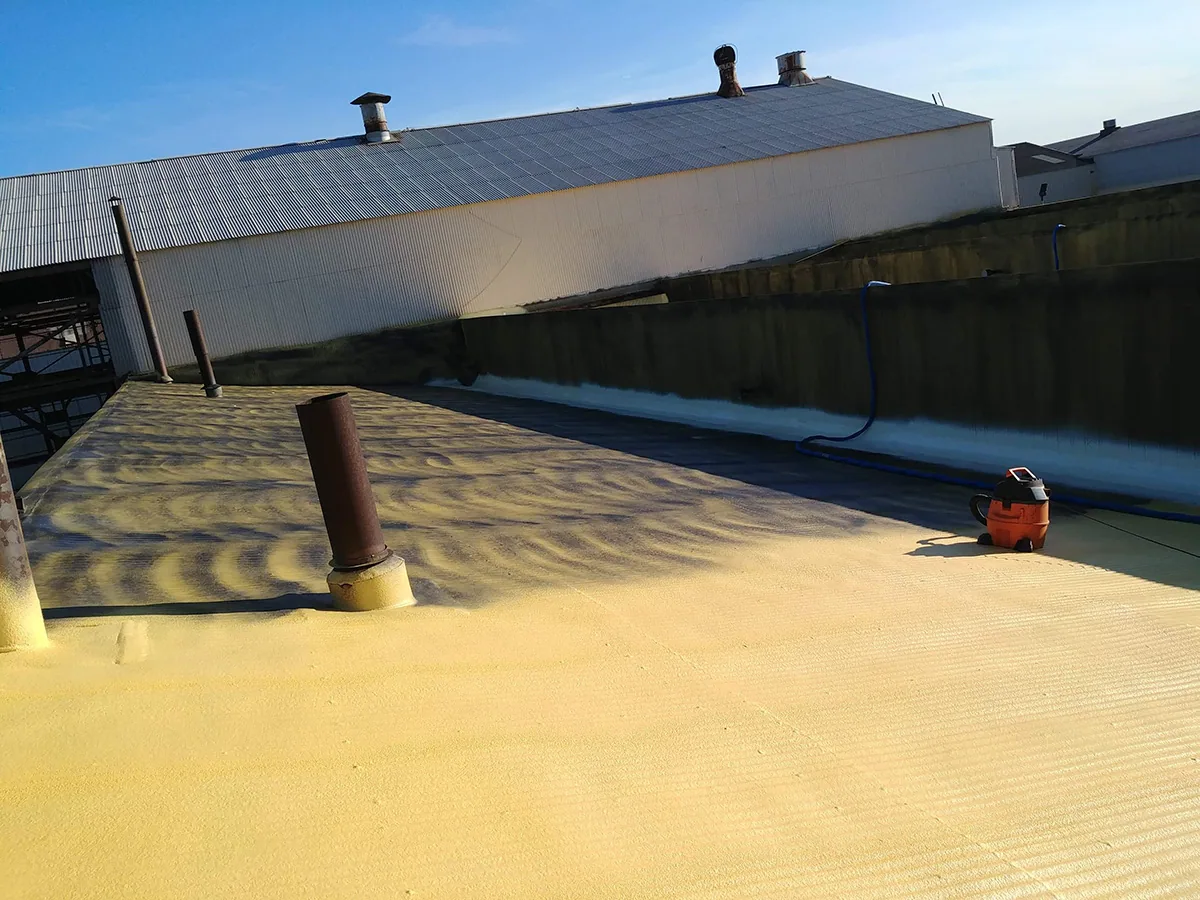
Assess SPF roofing in Cedar Rapids by following damaged penetration details into the foam, then restoring suitable material, drainage and protective coating.
Commercial Silicone Roof Coatings
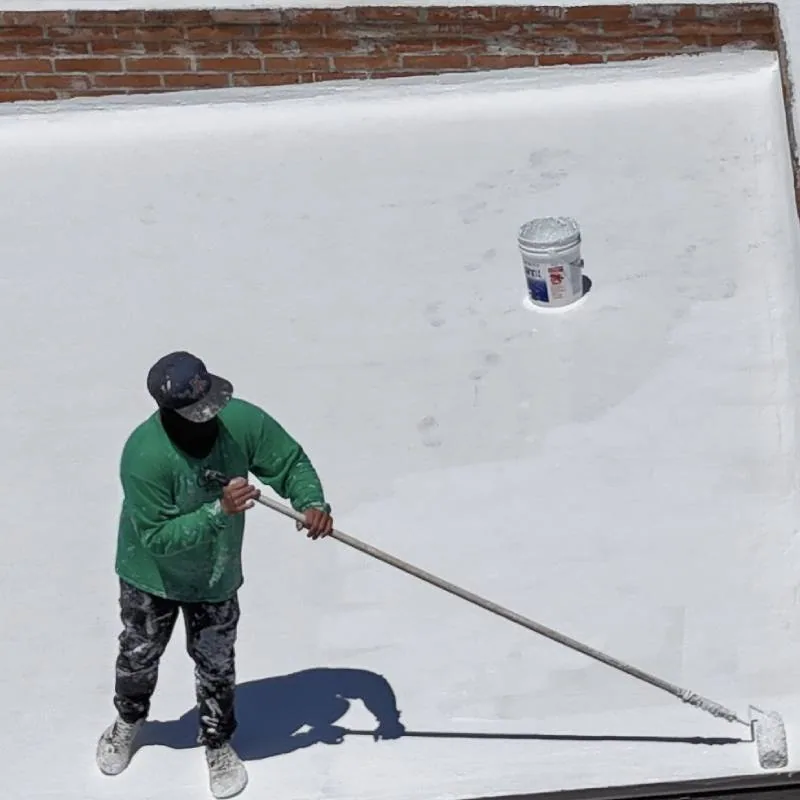
Assess silicone roof coating in Cedar Rapids by checking existing acrylic layers, adhesion and repaired details before applying a compatible protective system.
Commercial Acrylic Roof Coatings
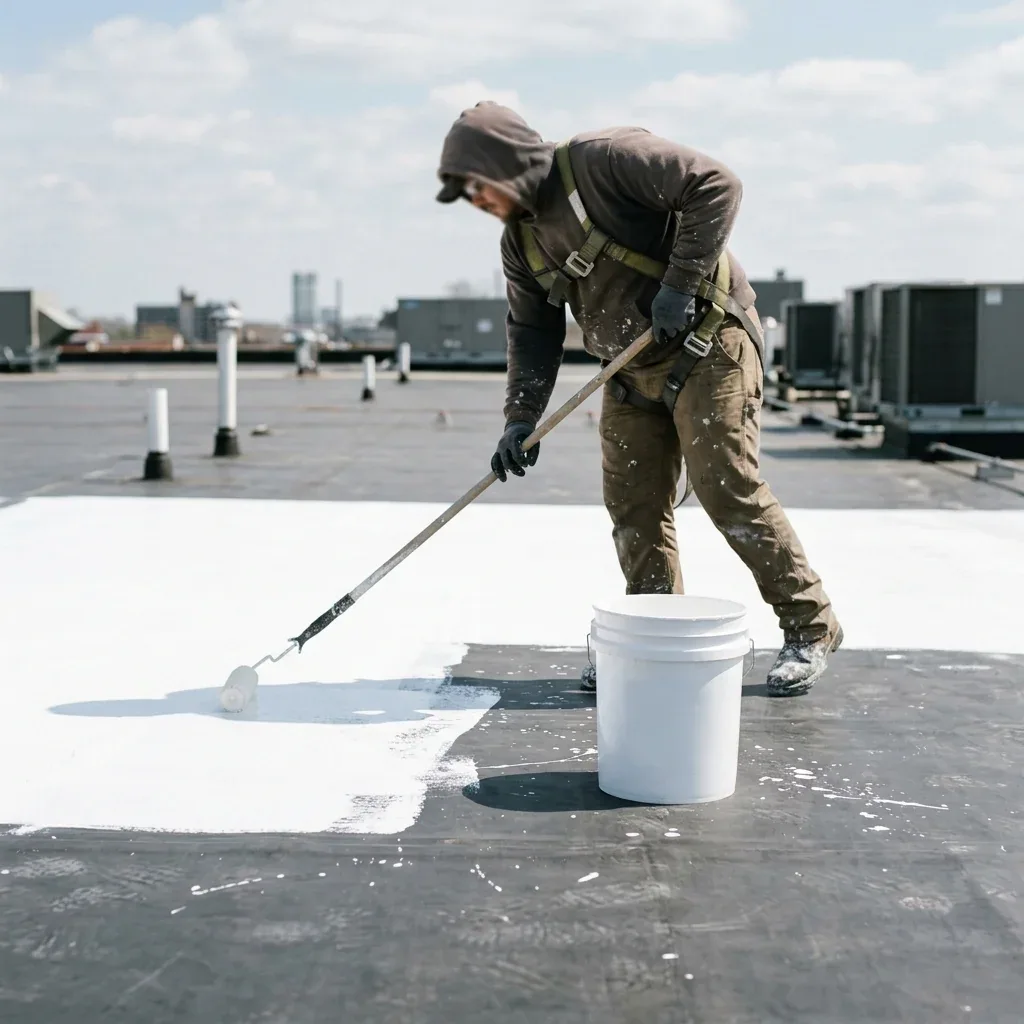
Assess acrylic roof coating in Cedar Rapids by examining worn coverage, textured surfaces, drainage and roof repairs before renewing the protective finish.
More About Roof Systems
Sheet systems: Follow each seam to its termination
Heat-welded TPO and PVC laps need clean, compatible sheet at the weld; EPDM closes with system-appropriate adhesive or seam tape. A KEE system has its own formulation, so the repair material must match that membrane. We identify the field sheet and fastening before following it to drains, curbs and edge metal. A replacement decision also considers insulation, cover board and attachment rather than treating the weathering layer as the entire roof.
Existing assemblies: Check what can carry the new work
Older low-slope roofs may contain multiple coverings, changed drains or areas where insulation has compressed. Modified bitumen and built-up assemblies need examination at their laps, surfacing and transitions before a repair or coating is selected. A metal roof can fail at fasteners, seams or penetrations, so a retrofit system must address movement and the support beneath it. We map the removal limit where moisture or attachment condition could make retention unsound.
Coatings and foam: Decide from the receiving surface
A fluid-applied restoration can be considered after adhesion tests, surface preparation and the existing membrane condition support it. Silicone and acrylic have different maintenance profiles; neither stabilizes a loose edge or replaces saturated insulation. Silicone coating or acrylic coating should be considered after seams, penetrations and drainage are examined. Spray polyurethane foam also requires a suitable substrate and protective finish. At a requested roof in Monticello, the area includes manufacturing and school buildings with varied functions, not a shared roof type; each assembly still needs its own inspection.
Weather and detailing: Keep exposure tied to the observed roof
Cedar Rapids airport normals record repeated winter freezing days and summer heat, while a 2023 hail report documents a specific observation near the city. Those conditions make material movement, surface condition and drainage worth reviewing, but do not identify damage at a particular property. In Marion, the industrial lots at the Enterprise Center bring varied parcel conditions and utility service; we still inspect each roof's deck, curbs and discharge points. The field system must meet its perimeter and penetration details, which often decide whether a proposed coating, recover or replacement is practical.
Commercial Roofing Questions
Can a new membrane go over the existing roof?
Retained roofing must be dry, stable, compatible and within applicable assembly limits. We check the layers, deck, drainage and detail height, then explain where removal is required before an overlay is considered.
How does a membrane choice affect repairs?
The material determines how a compatible seam or patch is made and what preparation it needs. We identify the existing sheet before pricing work so that the new connection is suited to the roof rather than selected from appearance alone.
When is a coating a poor fit?
A coating cannot restore a wet support layer, loose attachment or failed edge connection. If those conditions are present, we identify the necessary repairs or compare the coating with a more complete renewal scope.
What should be checked before joining a new system to an existing roof?
The receiving surface, roof height, edge transitions, drains and attachment details all affect the connection. We identify those conditions before proposing how a new assembly can meet the existing roof.