
Commercial Acrylic Roof Coatings in Cedar Rapids, IA
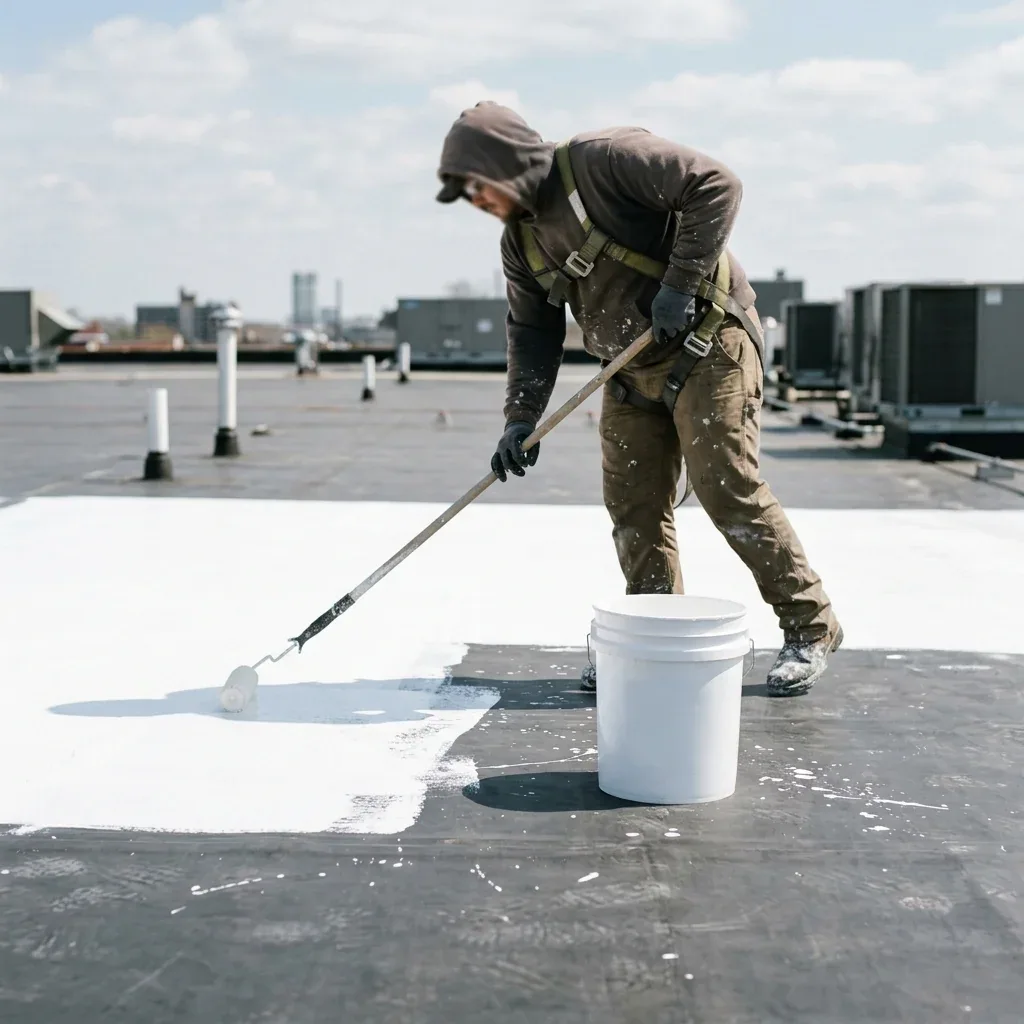
A worn acrylic layer on a textured roof can leave raised portions of the surface with inadequate protective coverage while material remains visible in the adjoining recesses. Renewal needs examination of that uneven surface and the retained coating before a new application is defined. Commercial Roofing Cedar Rapids assesses acrylic roof coatings in Cedar Rapids, IA, through coverage, preparation and the roofing beneath the finish. The new protective layer must reach the specified condition across the actual surface geometry.
Acrylic products are selected within a roof restoration system appropriate to the underlying materials and service exposure. We identify that assembly before assessing preparation or application requirements. The comparison may include a silicone coating system where suitable, or restoration of an existing SPF roof assembly. Product choice follows examined roof condition and the requirements of the selected construction rather than a general preference for one finish.
Textured surface: Assessing protection across peaks and recesses
Surface texture changes how a coating is distributed and how its condition can be examined. We assess worn areas and retained finish across the profile rather than judging protection only where material remains most visible. The selected product and specification establish the application requirements, including how suitable coverage is achieved and checked. Preparation must leave a surface that can accept that work without loose material interrupting the bond.
Application methods need to suit the roof and selected system, especially where uneven geometry makes a uniform protective layer more difficult to establish. We examine repaired areas alongside the retained field because their surface condition may differ. The completed finish needs the specified treatment throughout each area, with transitions joined appropriately. A broad appearance of coverage does not settle whether the necessary protection has been established on every part of the profile.
Drainage condition: Matching the finish to the roof's exposure
Water retained on a roof affects the exposure that a proposed coating must be suitable to withstand. We examine the selected acrylic product's requirements alongside the actual drainage conditions, identifying low areas and obstructed outlets that need attention. Suitability varies with the product and assembly, so it should be established from the relevant specification rather than assumed from the acrylic coating type alone. The roof must provide an appropriate base and service condition.
Assessment of outlet connections can accompany restoration when the water path has failed. We examine drain approaches, scuppers and nearby repairs before coating is applied, coordinating alteration where needed. Clearing an obstruction differs from correcting a low surface or rebuilding an outlet junction. Each response should restore the relevant drainage function before the new finish closes over adjoining work.
Retained roof: Repairing defects beneath the application area
Acrylic restoration depends on the roof beneath the finish remaining suitable for the specified work. We examine damaged seams, flashings and suspect moisture before defining the application boundary. A coating system may include particular reinforcement or detail treatments, but those treatments need appropriate receiving materials and connections. The repair should resolve the identified roofing defect rather than leave a failed layer beneath a newly finished surface.
Investigation of reported roof leakage establishes which connection needs attention where the interior report does not reveal the entry. Wet or detached material can change the work from surface restoration to removal and reconstruction. We identify those conditions before preparation begins. The facility director needs an explanation of the underlying correction and the separate protective finish that completes the suitable roof assembly.
Application base: Removing residues and unsuitable old material
Cleaning and preparation follow the existing coating, roof material and selected product instructions. We assess loose finish, contamination and previous repairs that may prevent the required bond, then establish an appropriate removal or treatment sequence. The methods should prepare the receiving material without damaging it. Where old coating remains, its adhesion and compatibility need examination before it becomes part of the new connection.
Water introduced during preparation needs appropriate management and drying before application. Roof openings and occupied areas below must also be considered during cleaning, particularly where a known defect has not yet been reconstructed. Coordination of restoration preparation brings cleaning, repairs and detail treatment into the right order. The surface condition at application should meet the selected system's requirements rather than depend only on how recently the roof was washed.
Work window: Protecting the application through completion
Environmental conditions influence preparation, application and curing according to the chosen acrylic product. We plan the work around its temperature, moisture and weather requirements, including the time needed for the new finish to reach the appropriate condition. A daily section should be sized for suitable completion rather than leave prepared or newly applied material exposed to conditions it is not ready to receive.
Rooftop equipment access and nearby operations need coordination with that work window. We establish protected routes and any relevant restrictions before application starts, then explain when completed areas can receive the intended service activity. Unexpected damage or contamination during the sequence requires assessment before work continues. The finish should reach completion as a connected protective system, including its edges and repaired transitions.
Public access: Sequencing restoration around the requested premises
Lisbon's library occupies a historic downtown storefront building, with Heritage Hall providing cultural and community space on its second floor. At a requested roof in Lisbon, restoration can require coordination of entrances, material handling and occupied rooms beneath the work. We establish those actual building constraints alongside the roof condition before choosing a daily section. The application needs suitable access without leaving its preparation or curing sequence unresolved.
Martelle has a public library and historical museum, while library programming has also used the local fire station as an event venue. For a requested Martelle property, we identify which operation occupies the building and coordinate work with its schedule. The preparation and application sequence accounts for the actual entrances, equipment and interior requirements. The roof's materials determine the coating detail, and the building operator helps establish how that construction can be completed safely.
At handback, we explain the renewed finish and the roof repairs completed beneath it, including any detail needing separate future attention. Maintenance should use methods appropriate to the installed product and report damage or renewed water retention. That information helps preserve the coating's connection instead of allowing an incompatible later repair to interrupt a suitable protective layer.
Commercial Roofing Questions
What decides the acrylic application requirements on a textured roof?
The selected product, specification and actual surface geometry decide how the protective coverage is established. We examine worn and retained areas across the profile before application. The finish needs suitable preparation and the specified treatment over raised portions as well as adjoining recesses.
Can the same acrylic coating be used on every commercial roof?
Product compatibility and service requirements need assessment for the particular assembly. Different underlying materials, prior coatings and water exposure can change suitability. We identify those conditions and follow the selected system's requirements before defining preparation, detail treatment and field application.
Why repair a leaking transition before coating the field?
The protective finish needs a suitable roofing connection beneath it at that transition. An open seam or wet layer can require reconstruction before the specified coating treatment is applied. We trace the defect and complete the appropriate repair so the new surface does not enclose an unresolved failure.
How is roof access managed while acrylic coating cures?
Access restrictions follow the product requirements and the completed area's condition. We coordinate equipment servicing and protected routes with the facility director before work begins. The section should receive the time and protection needed for suitable completion before normal activity resumes there.
Related Pages
Request a roof assessment or call 555-555-5555.
Questions? Call Us
Free roof assessment