
Commercial Roof Drains and Scuppers in Cedar Rapids, IA
A poorly directed cricket behind a raised curb can split runoff into pockets instead of carrying it toward the outlet, leaving a drain open while water remains stranded beside equipment. The correction needs examination of the slope transitions and adjoining flashing height before the field is reshaped. Commercial Roofing Cedar Rapids examines commercial roof drainage in Cedar Rapids, IA, through the route from the field to the outlet and the weathering connection beside it. The correction must join suitable elevations, a functioning discharge and a continuous membrane detail.
We work on drains, scuppers, drainage approaches and related roofing, distinguishing a removable obstruction from geometry or connection problems that need rebuilding. An active leak beside an outlet can also require investigation of the entry junction before drainage work is selected. The outlet's condition and the path leading to it should explain the proposed intervention, with piping or structural questions directed to the appropriate review when they extend beyond roofing work.
Field approach: Finding why water remains before the outlet
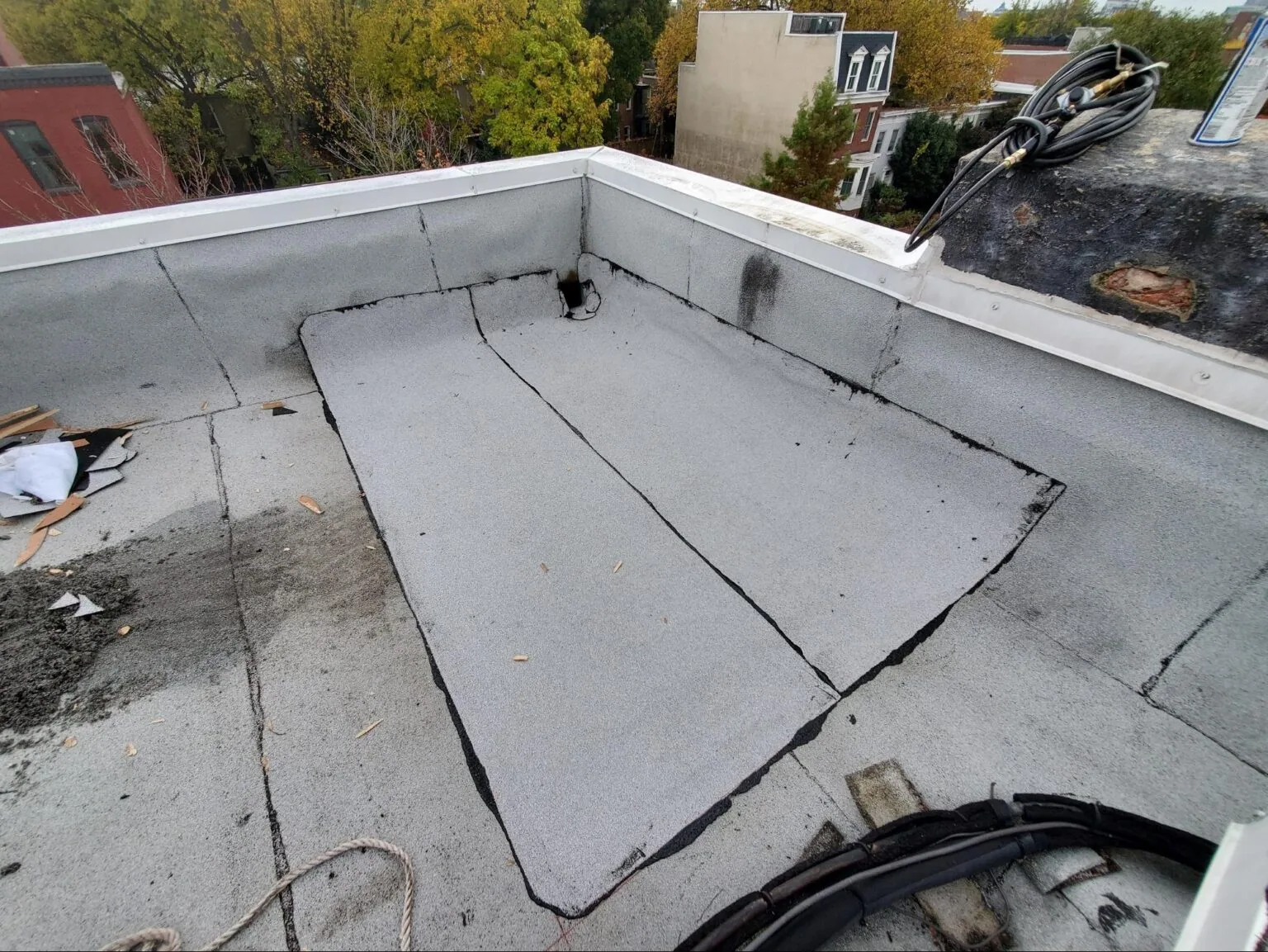
A depression can form beside an outlet where insulation has compressed, construction elevations differ or equipment redirects runoff. We examine the roof shape and the material at the low area, including the height of the drain bowl or scupper opening relative to the field. Debris may create the restriction instead, particularly where material accumulates around a strainer or equipment support. Removing that obstruction helps establish whether another condition is holding water after the route is cleared.
We assess potential corrections through the adjoining details. Tapered insulation, a revised sump or a cricket can direct water, but each changes the shape and thickness around nearby flashing. A proposal for correcting a retention area should therefore account for curb heights, outlet transitions and the condition below the visible membrane. Water redirected away from one detail still needs a suitable route into the intended discharge rather than a new collection point beside another penetration.
Drain junction: Joining the membrane to the bowl
A drain connection must close the weathering material against the appropriate receiving components. Loose or distorted hardware, unsuitable repair products and damaged membrane can compromise that junction while the drain itself continues to accept water. We examine the ring, fasteners and surrounding roofing where accessible, then determine which components can be reinstated and which need replacement. Rebuilding should restore the intended connection rather than add sealant around hardware that no longer applies suitable pressure.
Wet insulation beside the drain may require removal beyond the bowl, especially where repeated leakage has softened support beneath the membrane. We investigate the adjoining material and restore a suitable approach before closing the weathering layer. A concealed-moisture assessment may help direct checks where a wider wet area is suspected. The membrane detail, support and discharge connection are then rebuilt in a sequence that gives the outlet a stable relationship to the surrounding field.
Wall opening: Following the scupper through the parapet
A scupper includes the interior approach, the throat through the wall and the exterior discharge arrangement. Leakage can occur at a corner or material junction even where water passes through the opening. We examine those transitions and the adjoining vertical flashing, checking whether movement, loose metal or an unsuitable lap has broken the weathering path. The repair must connect the roof side of the opening through to the discharge rather than seal only the most visible exterior joint.
Where a conductor head, downspout or other exterior component is part of the arrangement, its condition and securement may need attention alongside the roof connection. We coordinate exterior collection and downspout work where necessary, including the destination of discharged water. A sound roof-side scupper can still be affected by a restricted or detached exterior component. The rebuilding limit follows that complete route, with suitable material junctions retained as the wall and roofing move.
Primary and overflow: Preserving distinct discharge paths
An overflow provision provides another route under the circumstances for which it is designed, so its position and discharge relationship need to remain suitable when the roof changes. Insulation added during a recover or alteration can change the height relationship between the field, primary outlet and overflow. We examine those elevations before specifying roofing modifications. Outlet capacity, drainage design and structural loading concerns require their relevant professional review where the proposed work changes the original arrangement.
Cedar Rapids identifies the 2024 IBC within its published building-code materials and lists a corresponding local amendment. We establish the requirements and reviewing jurisdiction for the requested drainage alteration, including any design information needed before construction. The work should preserve suitable primary and secondary drainage rather than treat an extra opening as an automatic solution. A recover that raises the field needs those relationships resolved together with its detail heights.
Meltwater and debris: Examining the route after weather exposure
Snow can conceal an outlet or retain water in a different pattern from ordinary rain, while ice may make the approach unsafe to reach. At two miles northeast of Cedar Rapids, a spotter reported 11.5 inches of snow during the January 9, 2024 storm. For a requested roof exposed to that kind of winter accumulation, we inspect the discharge connection when access is safe, clearing suitable debris and examining the membrane for damage revealed after thawing. Tools and methods must avoid injuring the covering.
Routine attention to drainage approaches can identify recurring debris locations and changing material conditions. The owner should also report a newly overflowing component, interior leak or unusual retention area between scheduled visits. We relate those observations to the actual outlet and piping arrangement, then choose cleaning, roofing repair or further drainage investigation. Repeating one task without examining why the condition returns may leave the same restricted route operating at the next rainfall.
Roof operation: Keeping correction compatible with the building
Hiawatha has school buildings within the Cedar Rapids district as well as municipal community and meeting space. At a requested institutional building in Hiawatha, drainage work may require interior access near piping or temporary protection beneath the outlet. We coordinate those needs with occupancy before disturbing the roof connection. The plumbing and roofing examinations should inform one another where the symptom could involve either side of the junction.
Marion Enterprise Center's industrial parcels border U.S. 151 and Iowa 13. For a requested property there, directing discharge away from active deliveries and establishing safe material access can influence the exterior work sequence. We examine the actual building arrangement, including any equipment that redirects runoff on the roof. The correction should leave a serviceable outlet, clear inspection access and a compatible membrane transition, with the next maintenance visit able to reach the connection without undoing the new work.
Commercial Roofing Questions
Could a larger scupper solve water standing beside the wall?
The approach elevation and discharge capacity decide what enlargement can accomplish. Water below a raised throat may remain even if the opening becomes wider. We examine the field shape and outlet relationship before selecting a correction, with drainage-design review where capacity or overflow arrangements are being changed.
Why would a leaking drain need work beyond its clamping ring?
Water may have affected insulation or the membrane outside the immediate hardware connection. We examine those adjoining layers and establish a stable approach for reinstatement. The new junction needs suitable support and compatible roofing around it rather than a repaired ring surrounded by softened material.
Can tapered insulation be added without changing the outlets?
Additional thickness changes the relationship between the field and each drain or scupper. We assess the resulting elevations together with curb and flashing heights. Some arrangements can accept the correction, while others require outlet or detail rebuilding so that the new shape directs water into a functioning connection.
What if the blockage lies below the roof drain?
Internal piping needs the appropriate drainage or plumbing examination where the obstruction is beyond the roofing connection. We assess the accessible roof detail and coordinate the other review as required. The final work then addresses the actual restriction without assuming that a clear inlet establishes a clear discharge route.
Related Pages
Request a roof assessment or call 555-555-5555.
Questions? Call Us
Free roof assessment