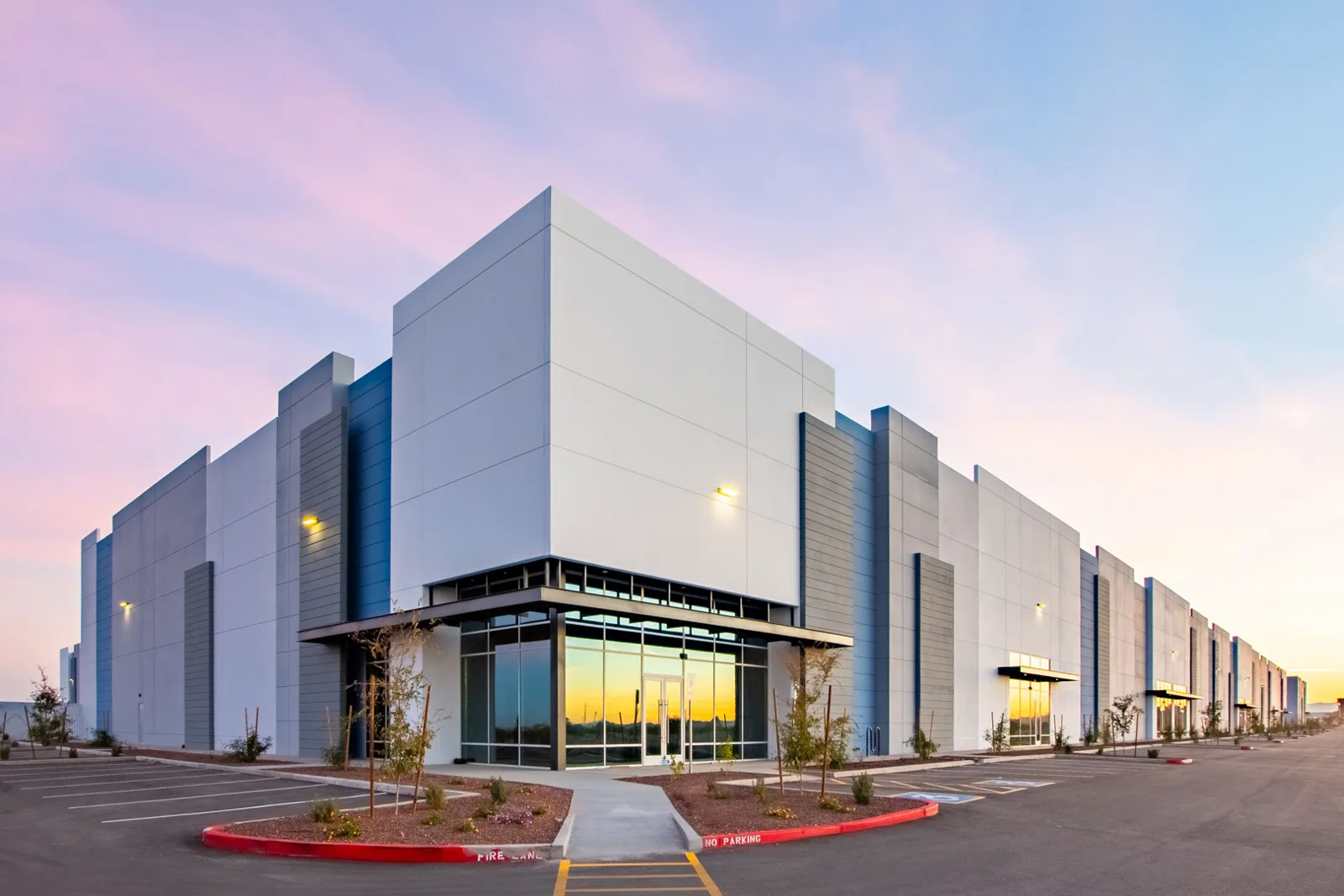
Manufacturing Plant Roofing in Cedar Rapids, IA
A rooftop equipment support that no longer bears evenly can concentrate contact against the membrane, damaging the sheet while leaving the equipment itself apparently in position. Repair requires assessment of the support arrangement before new roofing is placed beneath the same contact. Commercial Roofing Cedar Rapids examines manufacturing plant roofing in Cedar Rapids, IA, through that support-to-roof connection and the affected layers below it. The roofing reconstruction and any equipment correction need a coordinated sequence.
Manufacturing work can connect production equipment, exhaust, services and interior activity to the roof above them. We identify the actual component and operating restrictions before planning access or removal. The needs differ between a production area and adjoining materials storage or plant offices. Each affected section requires a suitable weather boundary and the protection appropriate to its use beneath the work.
Support contact: Correcting the arrangement that damaged the sheet
The point where a support bears on the roof needs examination with the component's condition and intended loading arrangement. We assess displaced contact, damaged protective material and the membrane beneath it, coordinating equipment or design input where required. A roofing patch alone can remain exposed to the same damaging contact if the support is not corrected. The component must meet a suitable support arrangement before its roof connection is completed.
Review of equipment bearing and roof interfaces establishes the separate tasks needed around that junction. Access, temporary support or relocation may be required to expose the damaged roof safely. We coordinate those actions before removal and rebuild the weathering surface into appropriate surrounding material. The finished support should preserve its intended bearing and the roofing detail rather than depend on another loose protective layer to disguise the defect.
Production zone: Establishing the operating restriction at the opening
A roof defect over active production can require isolation of the area beneath it before investigation or removal. We establish the actual process and any restrictions on dust, water or material handling with the facility director. Equipment sensitivity and available interior access can change the daily work section. The removal plan should protect the affected operation while allowing the damaged roofing to be examined adequately.
Some components may need another trade's assessment before they are disconnected or supported for roof work. We identify that dependency and coordinate the sequence rather than open construction while the necessary equipment action remains unresolved. The operating restriction should relate to the actual component or production area affected. Roofing can then proceed with the appropriate interior protection and a suitable temporary or completed weather boundary.
Membrane damage: Following the contact into adjoining construction
A punctured or abraded sheet may have admitted water into insulation or other materials below the visible damage. We investigate those layers where moisture or deterioration changes retention, including the condition beside the support's contact area. The repair limit needs to reach suitable receiving construction. Closing only the surface leaves an incomplete correction when affected underlying material cannot perform its intended role.
Reconstruction of the damaged assembly restores the relevant layers and the membrane's connection to the retained field. We identify the existing roof system before choosing compatible materials and attachment. Where findings extend beyond the initial contact area, the work boundary is adjusted to suit the actual condition. The component can return to its intended arrangement once the roof and support tasks are completed appropriately.
Service discharge: Checking the materials beside rooftop equipment
Equipment outlets and servicing can expose nearby roof material to conditions different from the surrounding field. We identify the actual discharge or residue where it affects the selected repair, coordinating process or equipment information with the operator. Roofing materials and details need suitability for that exposure. A repeated defect beside an outlet may require attention to both the roof connection and the equipment arrangement contributing to it.
The surrounding surface also needs appropriate preparation before new material can form a suitable bond or lap. We assess contamination, previous repairs and available clearance rather than assuming the same method used in a clean field area will suit the equipment junction. Where another component requires correction, that work precedes the final roofing connection. The repair should reconnect to material whose condition and exposure fit the selected method.
Water movement: Keeping supports clear of the discharge route
Supports and service installations can interrupt runoff when their position or bearing arrangement obstructs the roof's drain approach. We examine the surrounding water route with the equipment detail, including any accumulated debris beside the support. A corrected bearing point should not create another barrier that leaves water against the new membrane connection. The support and drainage arrangement need to function together after repair.
Assessment of nearby roof outlets identifies whether cleaning, a junction repair or another alteration is needed. Changes to roof geometry or loading can require relevant design review before construction proceeds. We establish the appropriate completed arrangement and maintain service clearance around it. The facility director should be able to keep the outlet accessible without disturbing the repaired equipment connection.
Manufacturing setting: Connecting the work to the requested plant
Cedar Rapids has grain-processing activity associated with Quaker Oats, ADM, Cargill and General Mills. At a requested manufacturing roof, the relevant process and equipment need assessment before deciding the repair sequence. We establish what occupies the affected interior zone and which rooftop component is involved. The construction then follows the physical defect and the operating conditions that must be protected while the connection is rebuilt.
Monticello includes M&S Manufacturing's precision-machining operation. For a requested plant in Monticello, roofing above machining or another production activity may need specific interior protection and equipment access arrangements. We obtain those requirements from the actual operator before removal. The support correction and membrane repair should be completed in an order that allows each trade to reach its connection without damaging newly closed roofing.
Planning roof work above an operating building can also guide broader replacement where local retention is unsuitable. We define the temporary boundaries and section sequence around the actual plant, then explain the completed roof details at handback. Future equipment servicing should preserve the repaired contact arrangement and report changes before another support movement damages the weathering sheet.
Marion Enterprise Center provides another industrial setting, with multiple lots and utility infrastructure near US 151 and Iowa 13. At a requested manufacturing premises there, we establish the building-specific equipment and access arrangement before selecting material-handling space. The roof repair and its temporary protection follow the actual production area beneath the opening.
Commercial Roofing Questions
What decides whether an equipment-related puncture needs support work too?
The contact and intended bearing arrangement decide which correction must accompany the roofing repair. We examine whether displacement or unsuitable support contributed to the damage. Where it did, the component's arrangement needs correction before a new sheet is placed beneath the same contact.
Why involve the plant operator before opening a roof area?
The activity below it can require protection, isolation or coordinated equipment work before removal. We establish those actual restrictions with the facility director. The roof section needs suitable access and a weather boundary while the affected production zone remains protected through investigation and reconstruction.
How does residue beside an outlet change a membrane repair?
Contamination can affect preparation and the suitability of the selected repair materials. We identify the relevant exposure and coordinate equipment information where needed. The new connection should join appropriately prepared material, with any separate discharge or equipment correction completed in the proper sequence.
Can a support correction also change roof drainage?
Its position and completed bearing arrangement can alter how water travels across the field. We examine the surrounding outlet approach before rebuilding. The corrected component should preserve a suitable runoff route and leave access for service without stressing the repaired roof junction.
Related Pages
Request a roof assessment or call 555-555-5555.

Questions? Call Us
Free roof assessment