
Commercial Built-Up Roofing in Cedar Rapids, IA
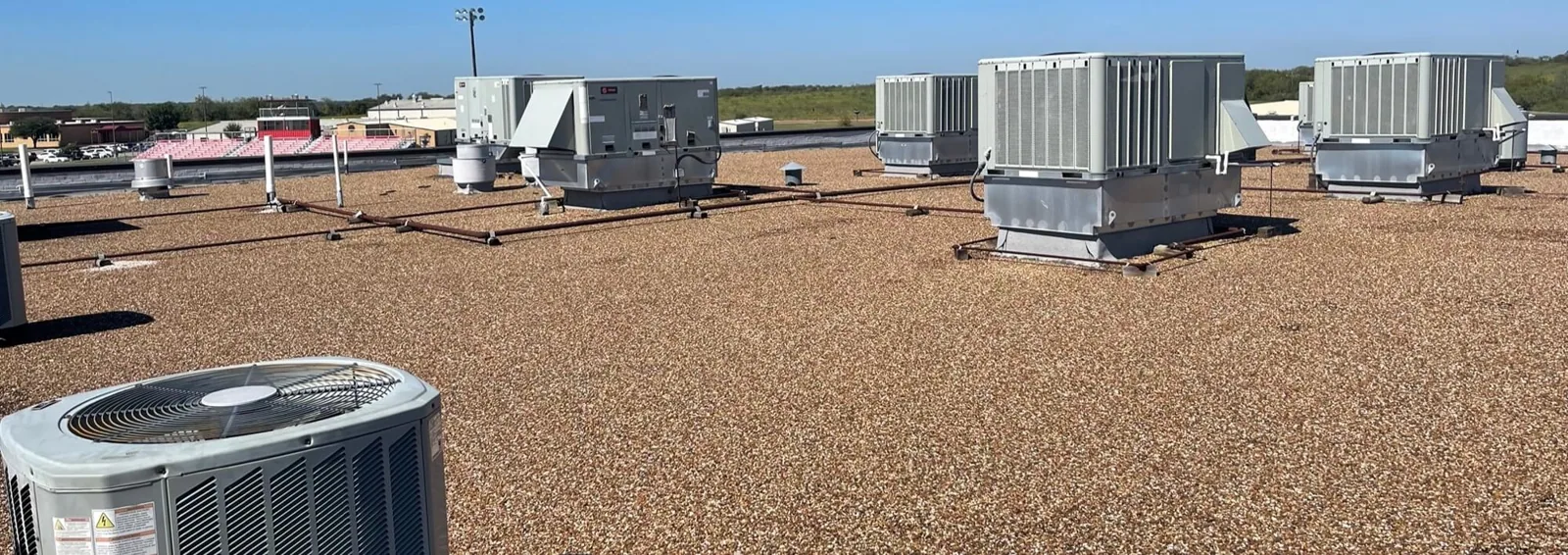
Loose aggregate displaced from part of a built-up roof can leave the underlying asphaltic surface with less protection at that area while the remaining gravel conceals its adjoining condition. Replacing the surface protection needs examination of the exposed material and any damaged plies below it. Commercial Roofing Cedar Rapids assesses built-up roofing in Cedar Rapids, IA, through the protective surface, layered weather barrier and receiving construction. The repair follows the material that has deteriorated rather than treating another layer of gravel as the whole restoration.
Built-up roofing combines multiple reinforcing plies with compatible bituminous material in a system-specific arrangement. Surfacing and detail construction vary, and older roofs may contain different materials that need identification before work. We examine those layers before comparing repair with replacement or alternatives such as modified-bitumen roofing and a PVC membrane assembly. The chosen intervention should restore a functioning layered connection on suitable support.
Exposed asphaltic surface: Rebuilding protection without concealing damage
Surfacing can protect the bituminous weathering material and influence how accessible defects appear. On an aggregate-surfaced roof, displaced or embedded material may require careful preparation before the underlying condition can be examined or repaired. We assess the exposed surface, nearby damage and the selected system's restoration requirements. The appropriate treatment follows the actual construction and material state rather than spreading loose aggregate over a split or unstable layer.
Debris and surface accumulation can also affect drainage or conceal a detail that needs attention. We examine outlets and accessible transitions alongside the field, distinguishing cleaning from repair of damaged plies. Maintenance of the surface and discharge route should use methods compatible with the roof and its protection arrangement. A task that removes debris must avoid damaging the asphaltic material beneath it or leaving an opening covered but unresolved.
Layered continuity: Finding the depth of a split or separation
A surface crack may affect only part of the arrangement or extend into several plies. We examine the accessible defect and investigate the construction where the depth changes the repair. Water can reach adjoining material beyond the visible line, while separation can interrupt the bond between layers. The scope needs a suitable receiving boundary through the affected assembly, not merely a covering across the outermost split.
A bounded built-up roof repair reinstates compatible materials and connections appropriate to the identified system. We prepare the area and restore affected plies in the arrangement needed to tie into retained roofing. Existing patches and binder differences can complicate that connection, requiring identification and removal where unsuitable. The new weathering surface is then completed over layers that have been made capable of functioning together.
Concealed moisture: Establishing the supporting condition
A layered roof can hold moisture below a surface that shows relatively little change. We assess leak history and construction, then select suitable investigation where concealed condition affects repair or retention. Temperature observations paired with material checks may help direct openings when the roof and observation conditions permit. Physical findings establish the layers involved and the wet boundary before removal is finalized.
Insulation or cover board affected by moisture can become unsuitable beneath a new asphaltic repair, even where the membrane plies can be reconnected. We remove and reinstate necessary support with a transition appropriate to the retained roof. Attachment and deck condition are also considered where the lower assembly has deteriorated. Closing the outer plies should follow that restoration rather than leave wet or unstable material beneath an apparently complete surface.
Flashing relationship: Connecting wall and field layers
A vertical flashing includes a termination, backing, corner geometry and lower connection to the roof field. We examine the route through those parts to identify where water enters or material has separated. The detail may use a different arrangement from the field plies, making material identification important before repair. Restoring only the exposed face can leave a failed top connection or detached lower interface operating beside the new layer.
Changed field thickness also affects flashing height and outlet transitions. We assess those elevations before adding material or changing insulation, coordinating reconstruction at drains and scuppers where necessary. Tapered correction can improve runoff but must fit the adjoining curb and perimeter details. The layered roof should direct water through a suitable discharge route while retaining the receiving height needed for the vertical weathering connection.
Retention choice: Comparing local rebuilding with a new roof
Isolated deterioration may permit compatible intervention within an otherwise serviceable built-up assembly. Widespread wet layers, repeated separation or unsuitable support can require a broader proposal. We examine the pattern of defects and the material available for repairs, then explain what would remain below each alternative. Full removal and replacement provides a different rebuilding route where the existing layered construction cannot receive suitable bounded work.
A recover needs investigation of retained coverings, moisture, compatibility and detail heights before it is accepted. The new arrangement also requires an appropriate connection to the deck or receiving assembly, not merely another surface placed over the existing weathering layer. We compare the physical work and retained condition with the owner's intended intervention. The decision should identify which underlying defects are corrected and which construction would continue as part of the roof.
Application beside activity: Choosing the method and work window
The selected bituminous materials and application method need to fit the construction and the work environment. We identify product requirements and relevant precautions before planning installation, including protection of intakes, interiors and accessible routes. Staged work on an occupied building may need smaller removal sections or coordinated equipment isolation so that preparation and close-in can be completed suitably. The method should serve the actual roof detail and operating constraints.
Anamosa includes county-courthouse functions and local schools, with U.S. 151 and Iowa 64 providing access through the area. For a requested roof in Anamosa, public activity or sensitive rooms can influence removal and material application above them. We identify the specific roof assembly and affected occupancy before opening plies, keeping a controlled weathering boundary at each stage of the work.
Coggon operates library, administrative and fire-service functions. A requested civic property may need access coordinated around those activities while a flashing or field section is rebuilt. We discuss the actual room use, equipment needs and temporary protection with the facility contact. At completion, the repaired layer arrangement and separate remaining conditions are identified, leaving maintenance able to reach outlets and details without disturbing a stable rebuilt connection.
Commercial Roofing Questions
Can loose aggregate be replaced without opening the roof layers?
The exposed material's condition decides whether surface restoration alone is suitable. Displacement may reveal intact roofing or a damaged asphaltic area needing further work. We examine the surface and adjoining construction before reinstating protection so that an underlying split or separation is not simply covered.
Why would a built-up repair involve more than the top ply?
The defect may interrupt several layers or allow moisture into support below them. A compatible repair needs to restore the affected interfaces and join suitable retained roofing. We establish the depth and extent before selecting the layer arrangement for reinstatement.
Does a dry-looking aggregate surface establish dry insulation?
Concealed material can remain wet beneath an apparently ordinary surface. Leak history and construction guide the need for further investigation, with suitable checks where the findings affect retention. We distinguish the visible field condition from the supporting layers before deciding how far removal should extend.
What changes the method used to install new built-up material?
The identified system, receiving construction and occupied-building restrictions influence application. Materials and methods must fit their requirements and the detail being rebuilt. We coordinate preparation, equipment protection and close-in before opening roofing so the selected arrangement can be completed under workable conditions.
Related Pages
Request a roof assessment or call 555-555-5555.
Questions? Call Us
Free roof assessment