
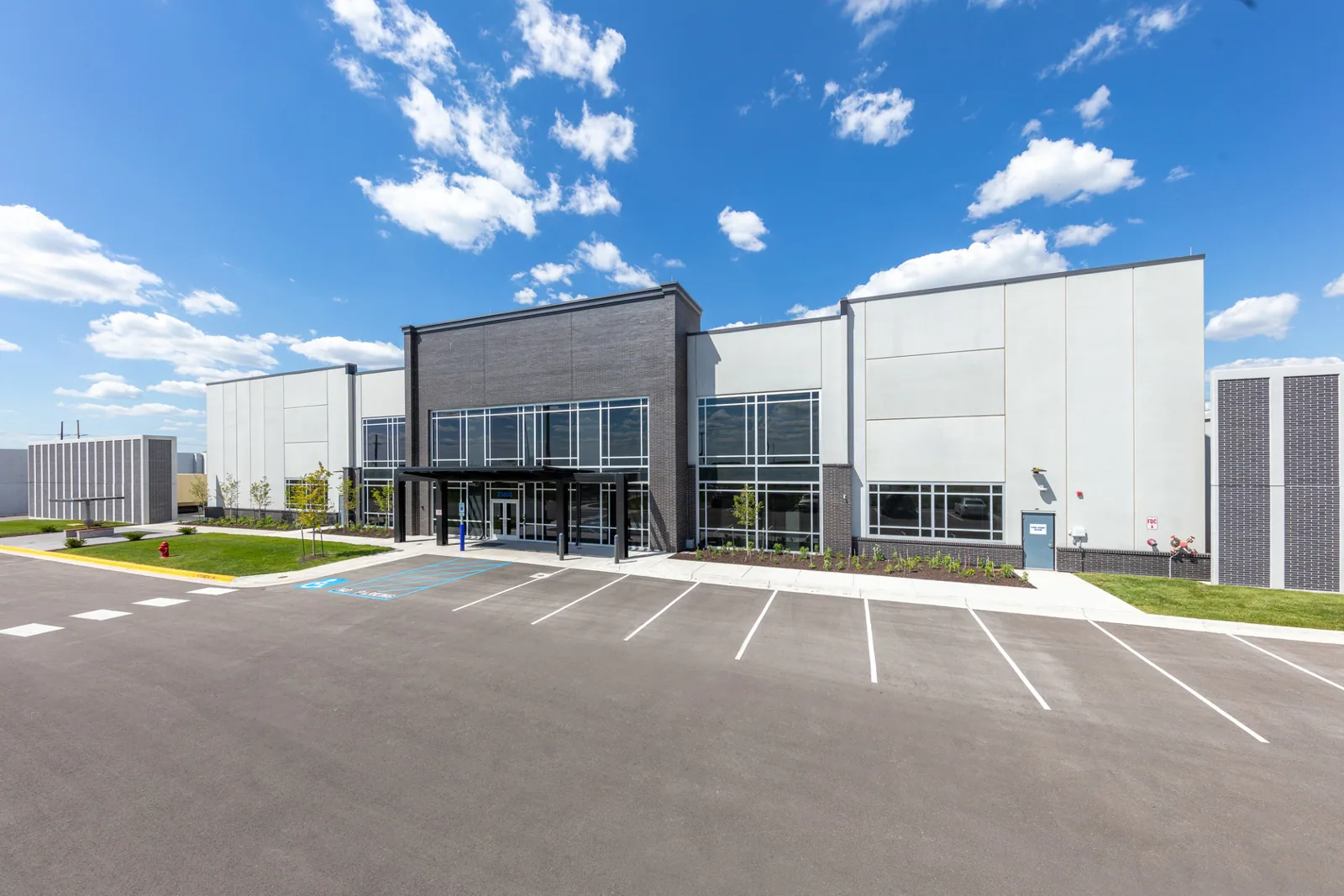
Commercial Data Center Roofing in Cedar Rapids, IA
Flashing hidden beneath a cable rack can leave the damaged connection inaccessible for proper preparation and closure. A repair placed only at the exposed edge may fail to reach the junction that must be rebuilt. Commercial Roofing Cedar Rapids examines data center roofing in Cedar Rapids, IA, by establishing access to the affected detail before selecting the roofing method. The service arrangement and weathering connection need a coordinated correction that protects the operation below.
Data-center roof work can involve sensitive interior areas and rooftop equipment whose service requirements influence access. We identify the actual affected operation rather than assume every roof section has the same restriction. Connections to adjoining office areas or flex industrial construction also need examination where they affect the repair. The work sequence follows the defect, available service access and the protection needed beneath the opening.
Concealed junction: Obtaining the space needed to rebuild flashing
A rack, tray or service component above a roof junction can restrict inspection and the space needed for material preparation. We establish the actual clearance and coordinate the relevant service information before attempting repair. The component may need temporary movement or another appropriate access arrangement. That action must be planned with the responsible operator or trade rather than forcing new roofing into an opening too restricted for a suitable connection.
Assessment of the affected flashing junction identifies what must be exposed and rebuilt. We examine the weathering material beneath and beside the component once suitable access is available. Any separate support or service alteration precedes final close-in where it would otherwise obstruct the work. The completed arrangement should retain appropriate access so later inspection does not depend on disturbing the new roof detail.
Clearance also needs to permit the selected material's preparation and attachment tools to reach the connection. We assess that working space before the detail is finalized, so the repair can be constructed as intended beneath the service arrangement.
Protected operation: Connecting the opening to the area below
Sensitive equipment beneath the roof can require specific isolation and protection before removal starts. We establish the affected zone with the facility director, including restrictions on water, debris and interior access. The operator's requirements need to be incorporated into the daily roof section. The roof opening should not proceed until suitable protection and the relevant construction access are arranged together.
A reported water location requires coordination of the interior response while the exterior entry is investigated. Tracing water at the roof connection establishes the roofing task when the room report does not resolve its cause. We maintain the agreed boundary while examining and rebuilding the junction. Any equipment assessment or operational action is coordinated separately with the responsible personnel rather than assumed to be resolved by the roofing repair.
Service support: Preserving the roof relationship beneath installations
Racks and rooftop installations need suitable support that does not damage the weathering material or obstruct its drainage. We examine the component's bearing, attachment and nearby sheet condition where they affect the repair. A support moved to obtain flashing access still needs an appropriate completed arrangement when returned. The restoration should not place concentrated contact or an unsuitable connection against newly repaired roofing.
Coordination of rooftop support details establishes any separate component correction or design task needed before the weathering junction is closed. We identify those dependencies early so the roofing sequence can accommodate them. The final connection should suit the selected assembly and preserve service clearance. Equipment access remains part of the completed roof arrangement, not a later activity left to disturb the repaired detail.
Affected layers: Defining the reconstruction beneath the exposed detail
Water admitted through an obscured flashing can affect insulation or other concealed materials beyond the visible defect. We investigate those layers where their condition changes retention, establishing a suitable removal boundary around the junction. An appropriate flashing repair needs a suitable receiving assembly beneath and beside it. Wet or deteriorated material may require reconstruction before the weathering connection can be restored.
We identify the existing roof system and select compatible repair materials for the retained construction. The work may require local layer replacement or a broader intervention where the surrounding field is unsuitable. The extent follows the findings rather than the footprint of the rack concealing the opening. At close-in, the new junction should connect into sound adjoining construction and its intended attachment arrangement.
Temporary boundary: Completing each opened section appropriately
Roof removal above a sensitive operation needs a suitable weather boundary through the work sequence. We define the section according to construction, available protection and the tasks needed before close-in. A service component that cannot yet be returned or a concealed layer requiring further correction can change that section. The temporary arrangement must suit the actual opening while the permanent junction is completed.
Planning reconstruction over occupied space connects the roofing sequence to the operator's restrictions. We coordinate work timing and access around those requirements without letting the schedule replace an appropriate construction boundary. An opened section should receive suitable protection and completion even when a separate operational task changes timing. The facility director needs to understand that dependency before the roof is disturbed.
Commercial context: Applying service restrictions at the requested building
Cedar Rapids economic development describes road, rail and air-cargo connections as part of its business distribution infrastructure. At a requested data-center roof serving a commercial operation, we establish the actual service function and relevant restrictions with the operator. The roof work then follows the affected flashing and component arrangement. Access for materials and equipment is coordinated with the building's own operations before the repair section is opened.
Coralville includes the Iowa River Landing district and retail development associated with Coral Ridge Mall. For a requested building in Coralville with sensitive computing or communications space, the operator identifies the protected interior zone and service dependencies. We examine its roof construction directly and establish the access needed at the obscured junction. The physical repair remains connected to those operating requirements through investigation, removal and final closure.
Marion Enterprise Center provides a multi-property industrial setting with developed or preliminarily platted parcels and utility infrastructure. At a requested premises there, equipment and service access need building-specific coordination before roofing starts. We explain the repaired junction at handback, including how later work can approach the rack or component without interrupting the new weathering connection. Any separate area needing further attention is identified by its condition and required action.
Commercial Roofing Questions
What decides whether a cable rack must be moved for flashing repair?
Available access and the connection that needs rebuilding decide the appropriate arrangement. We examine the space needed for inspection, preparation and closure, then coordinate the responsible service work. A repair should reach the actual failed junction rather than close only the edge visible beside the rack.
How is the interior data equipment protected during roof removal?
The affected zone's operating requirements guide the isolation and protection established with the facility director. We arrange those measures before opening construction. The section needs suitable access and a weather boundary while the damaged roofing and any affected underlying layers are investigated and rebuilt.
Why assess rack supports when the leak is at nearby flashing?
Their condition and position can affect access, roof contact and the completed repair arrangement. We examine those relationships and coordinate necessary support work before close-in. The returned component should not damage the new surface or prevent future inspection of the reconstructed junction.
Can the repair stay within the rack's footprint?
Underlying moisture and the suitable connection boundary may extend beyond that visible area. We investigate adjoining construction where its condition affects retention. The removal limit follows the roof layers that need rebuilding and the material available for a suitable connection, not the size of the obstruction above them.
Related Pages
Request a roof assessment or call 555-555-5555.

Questions? Call Us
Free roof assessment