
Distribution Center Roofing in Cedar Rapids, IA
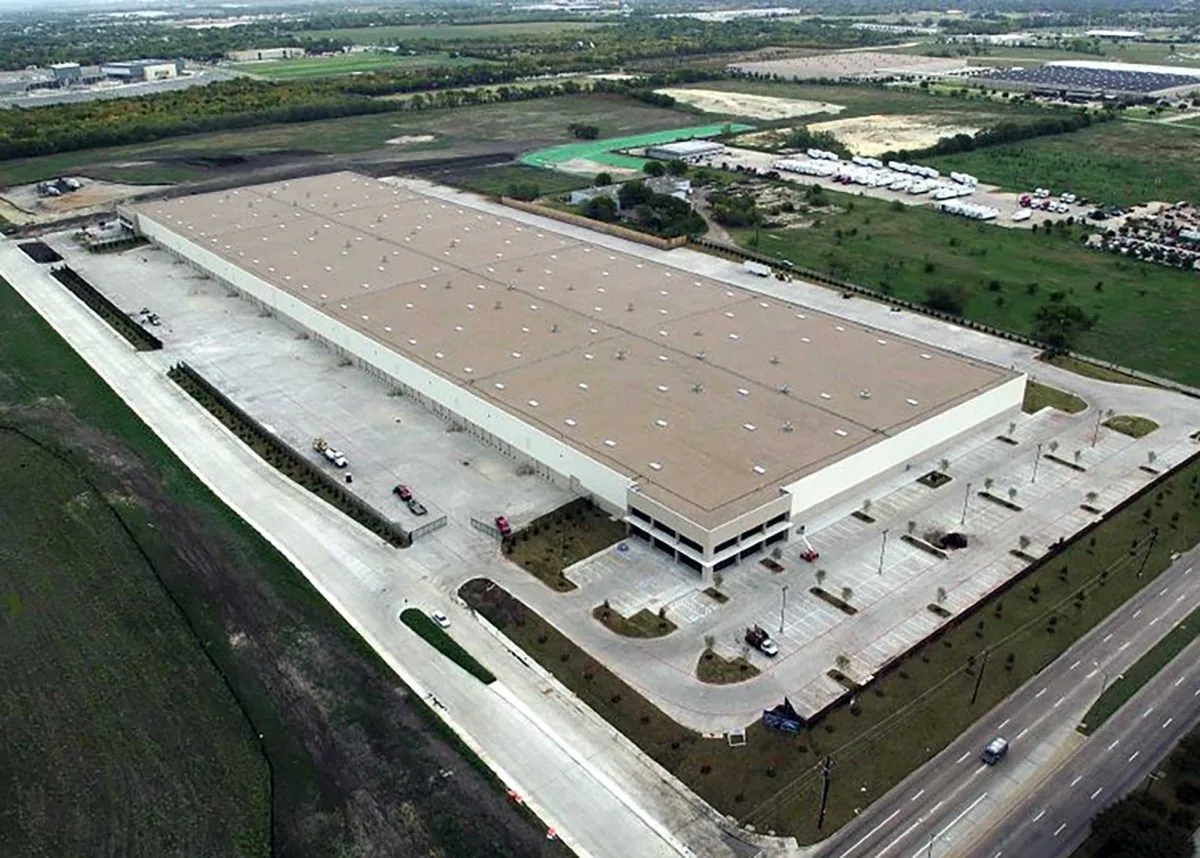
A curb cricket that sends runoff toward a low pocket beside a conveyor room can keep water against a vulnerable flashing junction even while the nearby outlet remains open. The repair needs examination of the surface geometry as well as the damaged connection. Commercial Roofing Cedar Rapids assesses distribution center roofing in Cedar Rapids, IA, by following that runoff into the curb detail and adjoining layers. Correcting the roof should restore a suitable water route while protecting the handling operation beneath it.
A distribution building can place sorting, storage and movement beneath different roof sections, making the affected location important to the construction sequence. We establish the actual operation and assembly before defining removal or temporary closure. Roof work adjoining warehouse storage or cold storage areas needs the protection appropriate to those uses. The work boundary follows the roof findings and the activity that must remain protected below them.
Curb diversion: Restoring the runoff route beside the component
A cricket or other slope transition should direct water appropriately around the raised component and toward the intended outlet. We examine the actual levels and surrounding field where water collects, including any later repairs that altered the profile. The flashing may need rebuilding, but closing its visible defect alone leaves the repeated exposure unresolved if the surrounding geometry remains unsuitable. Both the connection and its drain approach belong in the assessment.
An alteration may require removal and reconstruction of the affected slope materials, with design input where the roof's drainage arrangement changes. Assessment of the outlet and approach establishes whether another discharge defect contributes to the pocket. The rebuilt surface should join the surrounding field without creating a new barrier along its repair edge. The finished curb detail then receives water exposure consistent with that corrected route.
Handling equipment: Establishing protection beneath the wet junction
Conveyors, controls and sorting equipment below the reported water location can restrict access and require protection before investigation proceeds. We establish the affected equipment with the building operator, including any shutdown or isolation needed for safe interior access. Roof work should not expose an operating area while the removal boundary is still being determined. The protection arrangement needs to suit the equipment and the opening above it.
Water can affect more than the first visible interior location, so the roofing investigation and interior response need coordination. Tracing the failed roof connection helps establish the repair rather than assuming the component directly above the report is the entry. We define the suitable opening and temporary weather closure once the relevant findings are available. Any separate equipment assessment remains coordinated with the operator while roofing reconstruction progresses.
Affected assembly: Following moisture beyond the visible flashing
Water admitted at a curb transition can affect adjoining insulation or other layers whose condition changes the repair extent. We investigate suspect materials where their retention influences the rebuilt connection. The removal limit should reach construction suitable for the selected method, with the surrounding field examined before a new flashing is joined to it. A fresh vertical detail requires a sound relationship to the horizontal assembly.
Review of affected insulation and cover board identifies material that must be reconstructed below the weathering surface. We establish the receiving construction and coordinate structural or other relevant input where deterioration affects more than roofing. The new work then restores its support and attachment before the field and curb are closed together. That sequence prevents a suitable flashing repair from resting beside an unresolved wet boundary.
Section close-in: Maintaining a weather boundary during removal
An opened distribution roof needs a suitable temporary or completed boundary independent of the building's handling schedule. We plan the removal section according to the construction, available protection and the work that can be completed appropriately. The junction between retained roofing and the day's new work needs particular attention. An incomplete connection there can expose the operation even when the rebuilt section itself is finished.
Changes uncovered during removal may alter the planned section, especially where wet material extends farther than the initial investigation indicated. We explain the necessary adjustment and maintain suitable protection while the receiving area is rebuilt. The daily sequence should allow the actual layers and details to be completed, not merely achieve a chosen area of removal. Interior activity remains coordinated with that construction boundary throughout the work.
Dispatch access: Separating roof handling from vehicle movement
Loading doors, staging areas and vehicle circulation can overlap with the exterior space needed for roof materials and debris removal. We establish those routes with the operator before selecting lifting positions or delivery arrangements. The access plan should provide appropriate separation for the work and continuing movement. Where a particular loading position must be restricted, that change needs coordination before the roof section above it is opened.
Rooftop service routes also matter after repair, particularly beside a curb whose water diversion has been rebuilt. Equipment access should preserve the new slope and flashing rather than place supports or materials in the runoff path. We explain the completed detail and identify the nearby outlet that needs continued access. Maintenance can then recognize an obstruction or new damage before the corrected junction returns to prolonged water exposure.
Freight setting: Applying the roof sequence to the actual operation
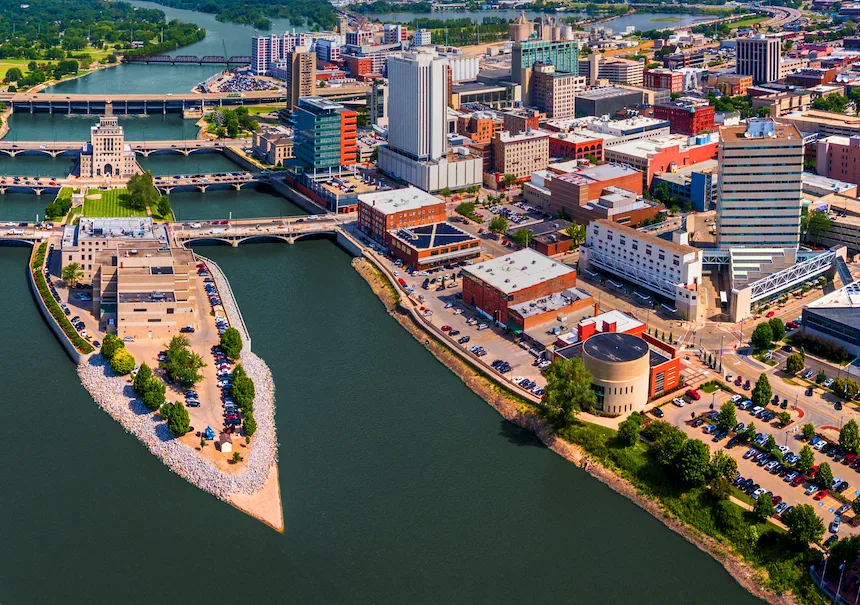
Cedar Rapids connects through I-380, with I-80 nearby and US 30 and US 151 contributing to its regional road access. For a requested distribution roof, that freight setting makes the building's own dispatch schedule relevant to lifting and exterior work. We establish the actual delivery restrictions rather than choosing a removal section without the operator's input. The roof connection can then be rebuilt with material access and suitable interior protection arranged together.
North Liberty is home to Heartland Express's corporate contact location, while nearby Tiffin sits at the I-80 and I-380 junction. At a requested building in Tiffin, we examine the particular handling use and roof geometry before choosing repairs. The operator's routes and equipment constraints help define access, while the condition found at the curb and field establishes the reconstruction needed. The completed water path should function without depending on a change to normal building activity.
A condition assessment can also identify separate roof areas for future attention beyond the immediate defect. We distinguish those areas from the rebuilt section and explain which finding changes their intervention. The facility director can then coordinate subsequent work with the relevant operating zone, keeping each construction boundary connected to an appropriate protection arrangement.
Commercial Roofing Questions
What decides whether a curb leak needs drainage reconstruction?
The surrounding surface levels and outlet relationship decide whether geometry contributes to the defect. We examine the retained water route alongside the flashing connection. If the curb diversion leaves an unsuitable pocket, the repair needs an appropriate shape correction as well as closure of the damaged junction.
How does conveyor equipment affect roof investigation?
Its position and operating requirements can change interior access and protection beneath the affected roof. We establish those restrictions with the operator before opening the construction. The roofing assessment and equipment response should proceed with an agreed boundary around the active handling area.
Why might removal extend beyond the curb's visible defect?
Adjoining wet or deteriorated layers can prevent a suitable connection at the apparent repair edge. We investigate those materials where the condition changes retention. The new field and flashing need an appropriate receiving assembly throughout their rebuilt junction, including the layers below the surface.
How are roof sections planned around dispatch activity?
The handling routes, interior protection and suitable close-in sequence need to work together. We coordinate access with the operator, then define a section that can maintain its weather boundary during construction. A dispatch schedule alone does not establish how much roofing can be safely opened.
Related Pages
Request a roof assessment or call 555-555-5555.
Questions? Call Us
Free roof assessment