
Roofing Capabilities
Roofing Capabilities in Cedar Rapids, IA
A roof report is useful when it connects an observed failure to the layer that must be repaired. In Cedar Rapids, IA, we inspect seams, drains, terminations, insulation and deck conditions, then record what can remain and what changes the removal limit. The result can support a repair decision today, a renewal comparison or a longer capital plan. It does not replace the roof work itself; it gives the facility director a clear basis for choosing what should happen next and what should be checked again.

Questions? Call Us
Free roof assessment
Roof Asset Planning
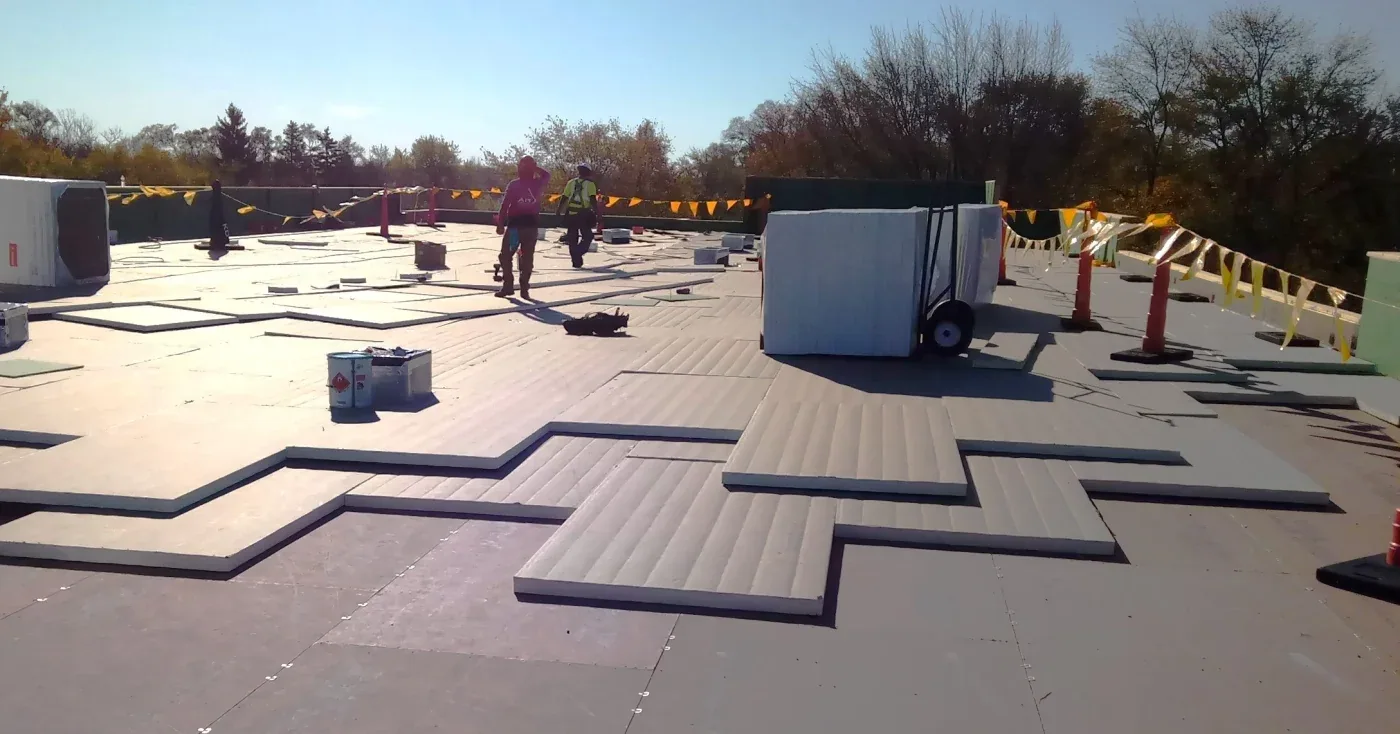
Manage roof condition in Cedar Rapids through concealed seam assessment, building-specific repair actions and follow-up tied to the reconstructed assembly.
Roof Capital Planning
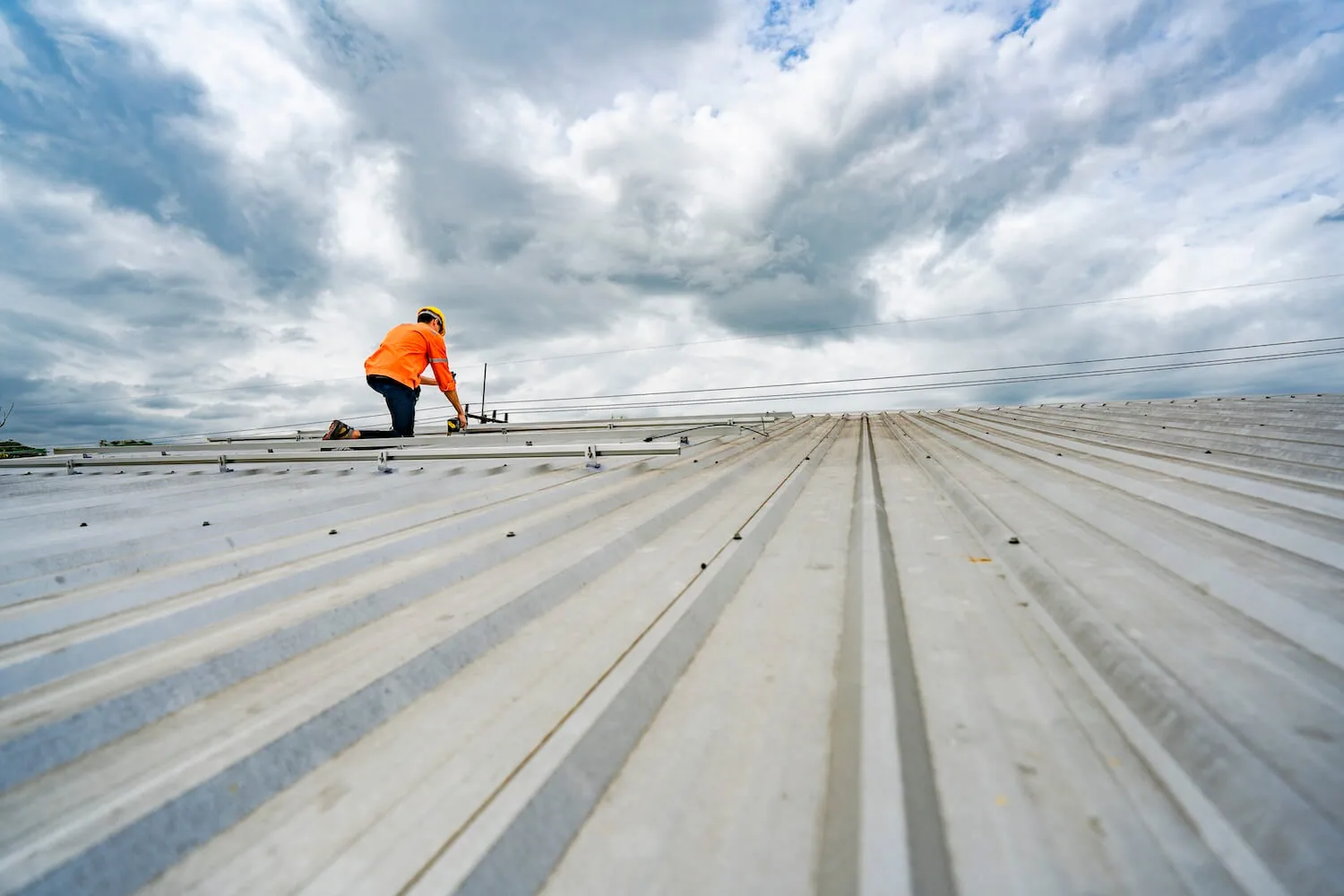
Plan roof replacement in Cedar Rapids through unsupported retained areas, assembly investigation and a reconstruction scope tied to the receiving condition.
Roof Condition Reports
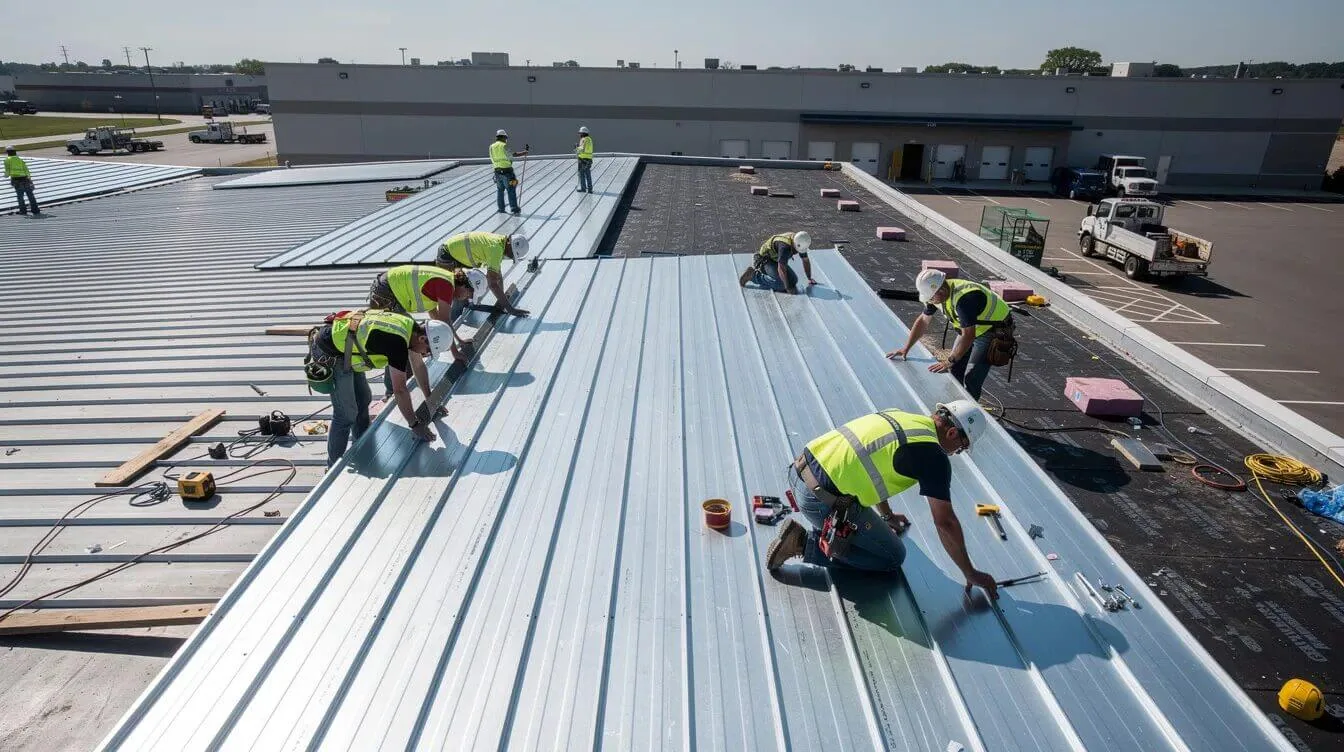
Assess roof condition in Cedar Rapids through open coping ends, adjoining wall connections and photographed findings tied to the reconstruction needed.
Roof Warranty Management
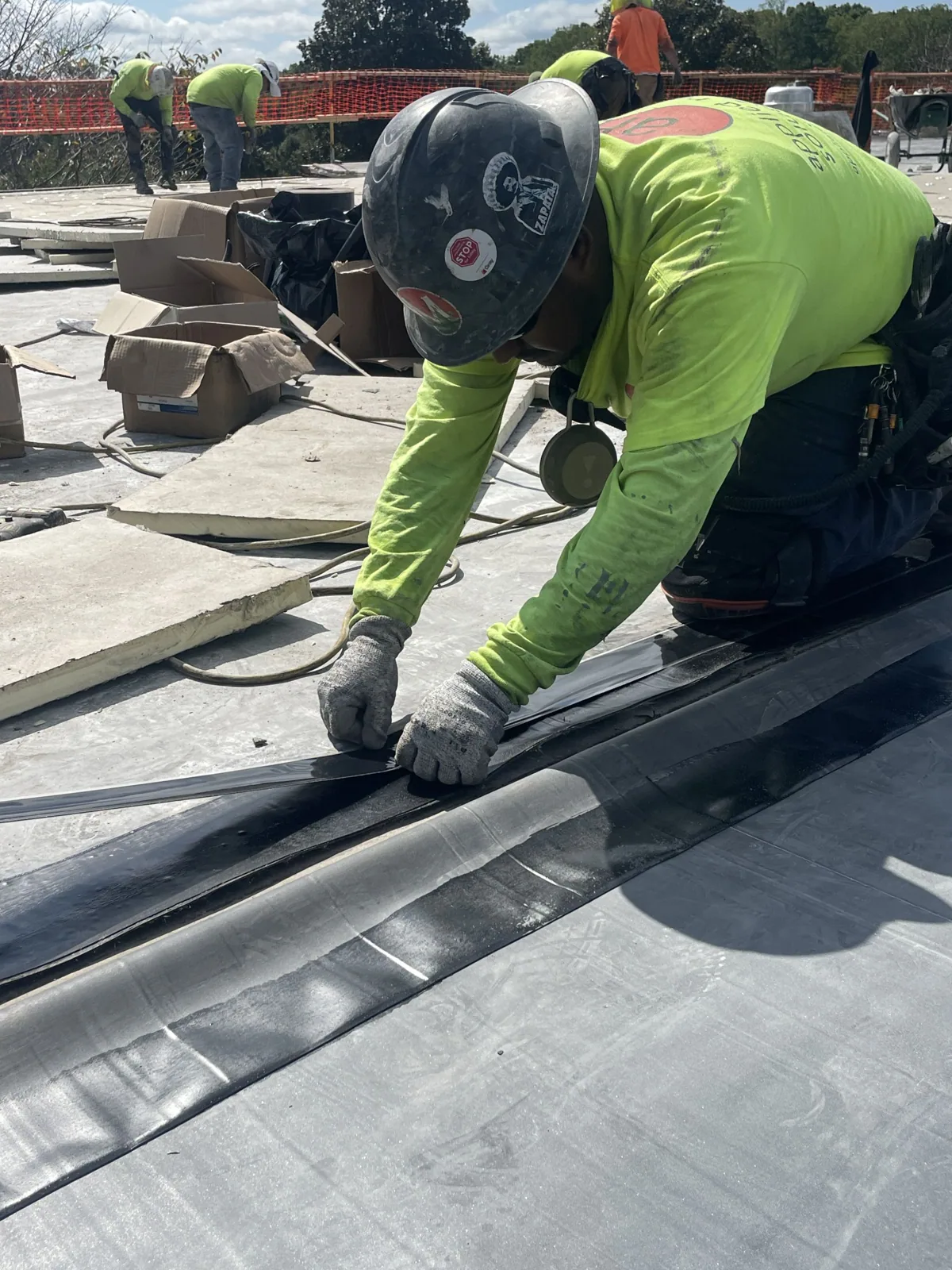
Coordinate roof warranty work in Cedar Rapids through loose termination assessment, governing requirements and a suitable receiver before permanent repair.
Due-Diligence Roof Surveys
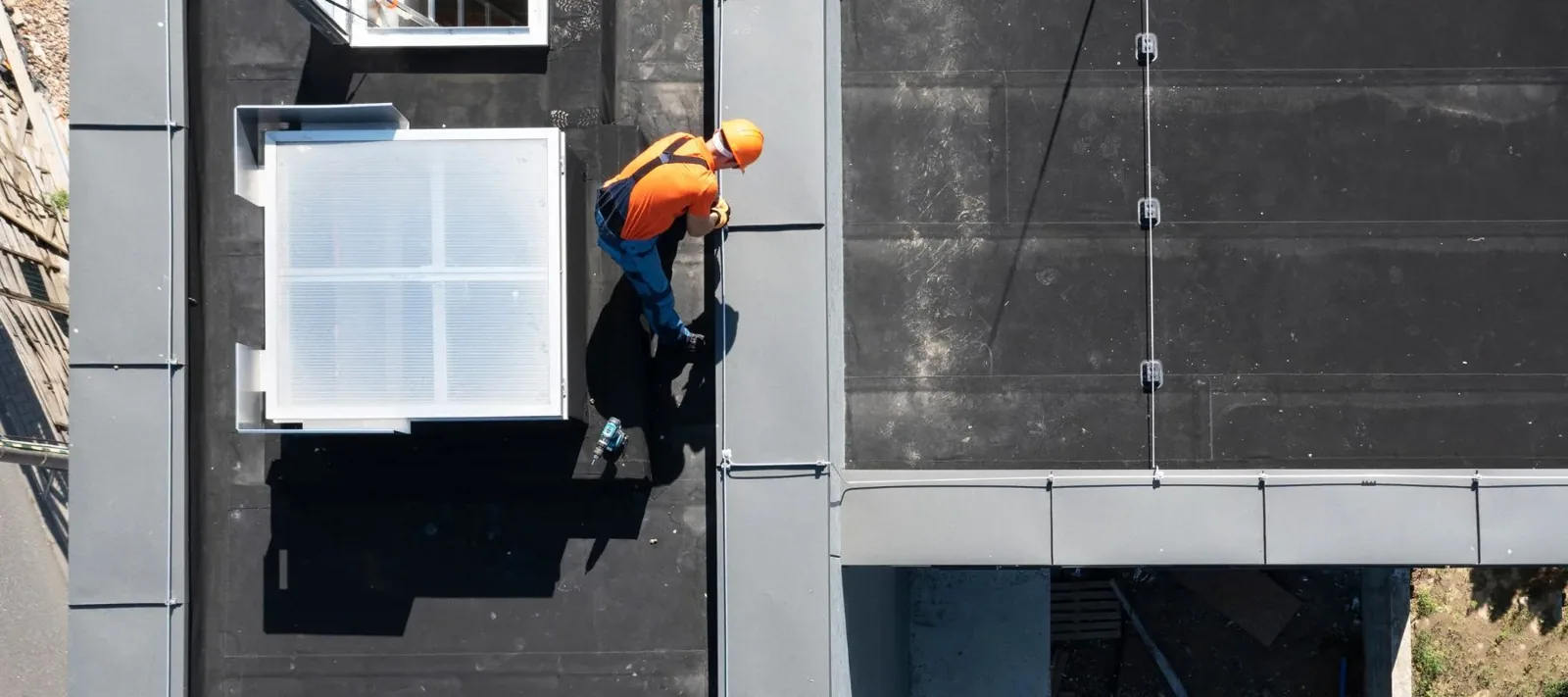
Survey roofs in Cedar Rapids through disconnected outlet routes, accessible assembly findings and scoped trade evaluation before acquisition or refinancing.
Multi-Site Roof Programs
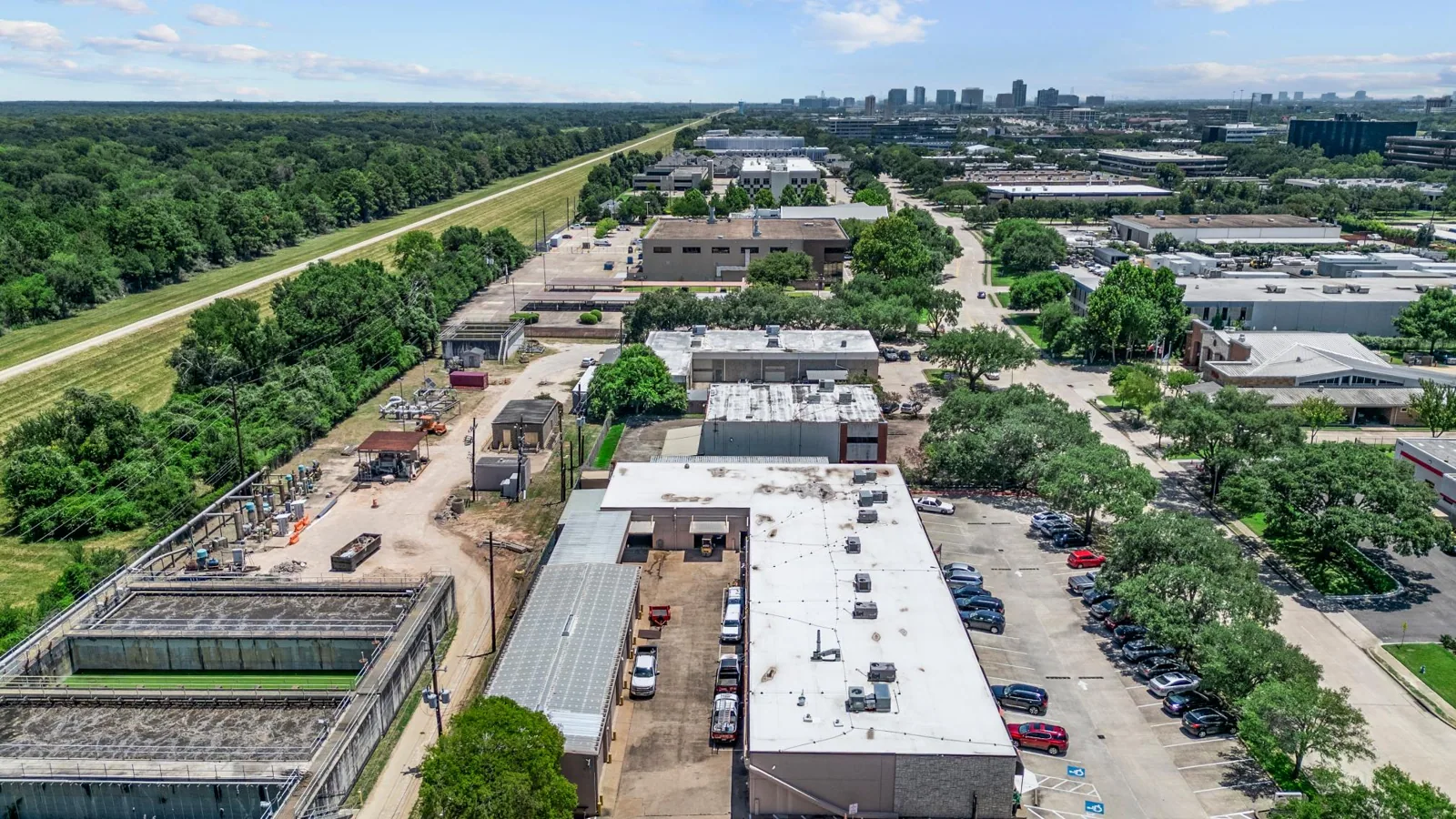
Coordinate roof work in Cedar Rapids through distinct primary and overflow routes, building-specific assembly repairs and operating release at each property.
More About Roofing Capabilities
Field evidence: Record the detail and its boundary
At a curb, edge or drain, photographs should show the failed connection and the surrounding material that will receive the repair. Interior symptoms, prior work and access limits help us select inspection points. A photo-backed condition report identifies observed defects, recommended action and items that remain outside scope. Cedar Rapids building services lists a 2024 local code amendment, while Iowa also lists state-adopted editions; jurisdiction and project type matter when roof work changes a rated assembly, equipment or insulation package.
Roof history: Keep assumptions visible
Warranty papers, repair invoices, drawings and prior survey results can clarify the materials already in place. We compare those records with the exposed assembly rather than assuming an old specification still describes every section. For a warranty review, we identify the roof area, detail and documentation needed before an owner asks for a manufacturer inspection. Due diligence work records the limits of access and any concealed condition that could change the recommendation after closing or renovation planning.
Budget sequence: Compare work by condition
A capital plan can distinguish immediate leak control from a later replacement, but each line needs a visible basis. We list affected areas, material assumptions, access conditions and the repair or removal limit. A roof capital plan can group work by timing while preserving separate assembly findings. This matters for institutional properties across Cedar Rapids and Iowa City, where state review may apply to certain healthcare or publicly funded projects. We verify the applicable project review with the owner instead of treating one code edition as a universal approval.
Multiple roofs: Preserve building-level evidence
Shared ownership can make repairs, maintenance and replacement compete for the same budget. Roof asset tracking keeps assembly, photographs, completed work and follow-up observations tied to the correct property. A multi-site program can standardize what gets recorded without treating every roof as identical. North Liberty's health-care development includes a hospital and medical-office building; the use context shows why access and interior sensitivity belong in a planning record, but the actual roof condition still requires inspection.
Commercial Roofing Questions
What makes a roof report useful for capital planning?
It ties photos and locations to the observed layer, repair boundary, access assumptions and recommended timing. We keep immediate water control distinct from work that can be planned after further investigation.
Can a warranty review confirm coverage?
We can gather the roof records and document the conditions an owner needs to present. The warranty terms and manufacturer decision control coverage, while our inspection establishes what is visible and what requires repair.
Will one report cover a whole property portfolio?
A portfolio summary can compare priorities, but each roof retains its own assembly, photos and limitations. We keep recommendations specific to the building so a common budget view does not erase different repair needs.
How are uncertain roof conditions handled in a report?
We separate what was visible from what remains concealed and state where an opening could change the recommendation. That keeps a budget allowance from being mistaken for a confirmed roof condition.