
Ponding Water Roof Repair in Cedar Rapids, IA
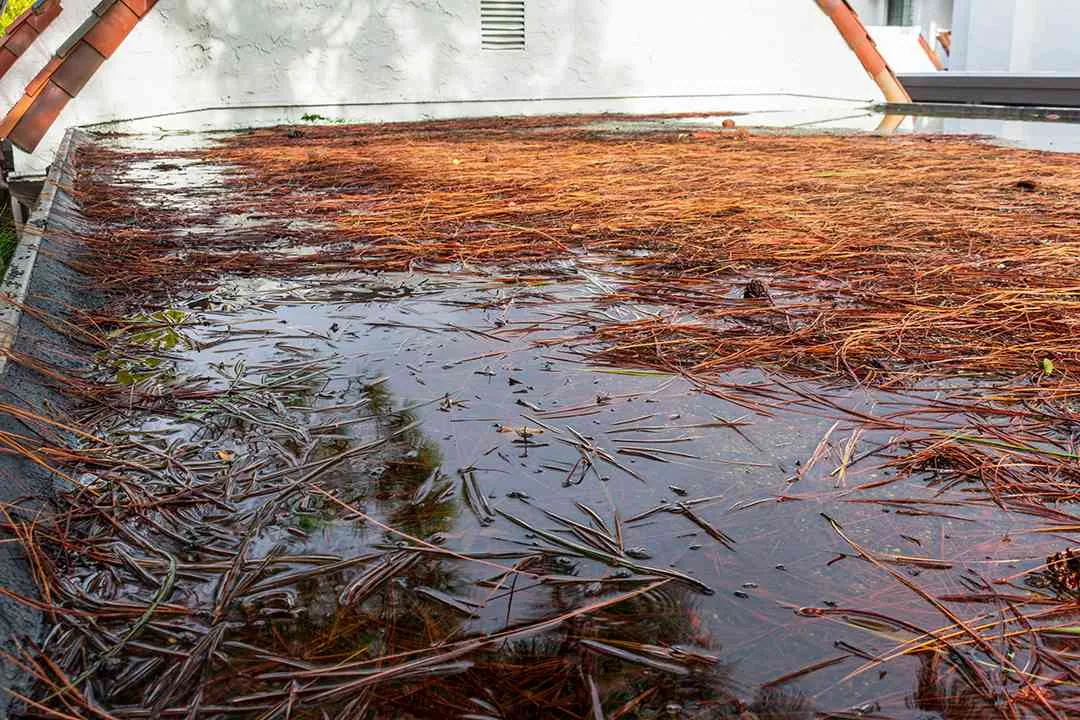
Compressed insulation or broken cover board beneath an otherwise intact sheet can leave a localized low pocket where water collects despite an open drain. Placing a patch over that depression keeps the reduced support and height beneath it. We examine the affected receiving layers before selecting the removal needed to reconstruct the surface. Commercial Roofing Cedar Rapids provides ponding water roof repair in Cedar Rapids, IA, with replacement support and drainage geometry established together.
The correction needs to connect the rebuilt low area to suitable adjoining construction. We identify the extent of compressed or damaged material, examine suspect wetness and establish the layer sequence that can restore the intended height. The outlet and repair perimeter must also accept the corrected surface without creating another obstruction. If the examination instead identifies suspect deck movement, we coordinate the appropriate evaluation before treating the condition as an insulation-level repair.
Water route: Trace the pocket to its intended outlet
A clear strainer shows only that the visible inlet is open. Water still needs a suitable route across the roof and through the receiving outlet arrangement. We examine the shape of the pocket, its relationship to adjoining seams and height changes, and the path toward drains or scuppers. The reported timing helps distinguish water retained after rainfall from recurring discharge caused by equipment or another building component.
The investigation follows each interruption along that path. An isolated depression needs a different correction from a broad area whose drain sits above the adjoining field. A raised repair edge can redirect runoff toward a wall or curb, while an outlet connection can leak without appearing obstructed. We assess the actual geometry through drain and scupper work and examine related flashing failures where standing water reaches vertical junctions.
Settled layers: Establish why the surface lost its shape
A depressed sheet can conceal damaged cover material or insulation beneath it. Where the condition would change the proposed reconstruction, we examine those layers and identify whether their support remains suitable. Wet or compressed material can affect both the receiving surface and the height available for the replacement assembly. Rebuilding only the top sheet would leave that unresolved condition underneath the finished drainage surface.
Suspect deck movement requires appropriate evaluation before it is treated as an insulation correction. We explain when structural or design review is needed and keep the roofing removal coordinated with that examination. The selected correction must address the support that establishes the roof shape. A new tapered layer placed over an unsuitable base can leave the completed assembly vulnerable to the same loss of height that produced the original pocket.
Cold conditions: Examine the outlet after ice and snow clear
Snow reported two miles northeast of Cedar Rapids measured 11.5 inches on January 9, 2024. During cold-weather investigation at a requested roof, snow and ice can conceal the surface depression and the condition of the outlet. We establish safe access and protection first, then examine the drain approach and adjoining connections when they can be meaningfully observed. Removal of frozen material must avoid tearing the membrane or disturbing the outlet detail.
After thaw, the water route may reveal a retained pocket, debris displaced into an inlet or a damaged connection beside it. We assess those findings directly and coordinate any needed plumbing examination when the problem extends beyond the roof-side outlet. Snow and ice damage repair can involve membrane and flashing correction alongside the drainage work. The finished route should be reviewed with the obstruction cleared and the reconstructed surface exposed.
Rebuilt surface: Connect the corrected height to surrounding roofing
The correction may require removing unsuitable layers and rebuilding the surface with appropriate support and slope toward the intended outlet. We establish the replacement layer sequence before installation, including how its height meets the adjoining retained roof. A tapered correction must work across the affected drainage area rather than simply raise the center of the visible pocket. Its perimeter also needs a connection that does not trap runoff along a new ridge.
Changing roof height affects more than the field sheet. At a curb, parapet or drain, the replacement elevation can alter the available flashing height and the way water enters the outlet. We coordinate those interfaces before closing the repair. Where the geometry requires broader design work, that arrangement is resolved before the new materials conceal the existing levels. Insulation and cover board reconstruction must provide both suitable support and the intended relationship to these adjoining details.
Requested industrial roof: Preserve access beside the drainage work
Fairfax annexed land east of Lefebure Road in 2020 for light-industrial development. At a requested industrial building there, roof access and work staging need to account for the actual receiving activity, equipment and protected interior beneath the repair. We establish which areas can be opened and closed within the planned work period, while preserving the routes required for the facility's operations.
The pocket may sit beside a rooftop support or service path that limits the space available for reconstruction. Moving equipment or altering its support requires coordination with the responsible trade before the roof is rebuilt. We explain the working area and the closing detail so those tasks occur in the necessary order. Requested projects in Fairfax receive a drainage correction based on their exposed assembly and operating arrangement, with temporary protection maintained during removal.
Iowa Highway 1 and Main Street/County Road F16 are principal local arterial routes in Solon. For requested commercial roofing there, we establish the building entry and designated material route before setting up removal beside a drainage repair. Material movement should leave that entry usable under the agreed protection arrangement. The facility director also identifies any room beneath the pocket that needs a different opening schedule, allowing investigation of the low area without leaving unsuitable layers concealed merely to preserve an unplanned work sequence.
Finished drainage: Review the surface and the receiving connection
The final examination includes the corrected field, its repair edge and the route into the outlet. A closed seam needs suitable support beneath it, and the rebuilt height must leave water a continuous path rather than redirect it into another junction. We explain the retained construction and any separate outlet or structural work that formed part of the correction. The facility director can then locate the reconstructed area during later maintenance.
Where water previously stood across multiple details, inspection also considers the condition of those exposed materials. Prolonged wetting can make existing weaknesses more consequential, so a drainage correction may need related seam or flashing work within the affected area. Our seam repair reconnects suitable sheet material where the drainage investigation identifies an open lap.
Commercial Roofing Questions
What determines whether a ponding pocket needs roof removal?
The determining condition is the support and material beneath the low area. A suitable assembly with a geometry problem differs from wet, compressed or detached layers that must be removed before the drainage surface is rebuilt.
Why can water remain beside an open roof drain?
An inlet may be clear while the surrounding roof sits below its receiving level or an intervening height change blocks runoff. We trace the field surface to the outlet and examine the connection before choosing the correction.
How does suspect deck movement change the work?
Deck condition can require structural or design evaluation before roofing layers are installed. We coordinate that examination with the opened area so the selected surface correction rests on suitable receiving construction.
Does rebuilding a low area affect curb flashing?
A changed roof height can reduce the vertical space available at an adjoining curb or wall. We establish those interfaces along with the drainage geometry, allowing the new field and flashing to reconnect in the intended arrangement.
Related Pages
Request a roof assessment or call 555-555-5555.

Questions? Call Us
Free roof assessment