Commercial Standing-Seam Metal Roofing in Cedar Rapids, IA
A sliding clip that binds can restrict the intended thermal movement of a standing-seam panel, transferring stress into seams, terminations or the attachment arrangement. Sealing a nearby opening does not restore that movement where the hidden connection remains restricted. Commercial Roofing Cedar Rapids assesses standing-seam metal roofing in Cedar Rapids, IA, through the panel, clip and supporting construction before defining repair. The weathering system needs its connections and movement provisions to function together.
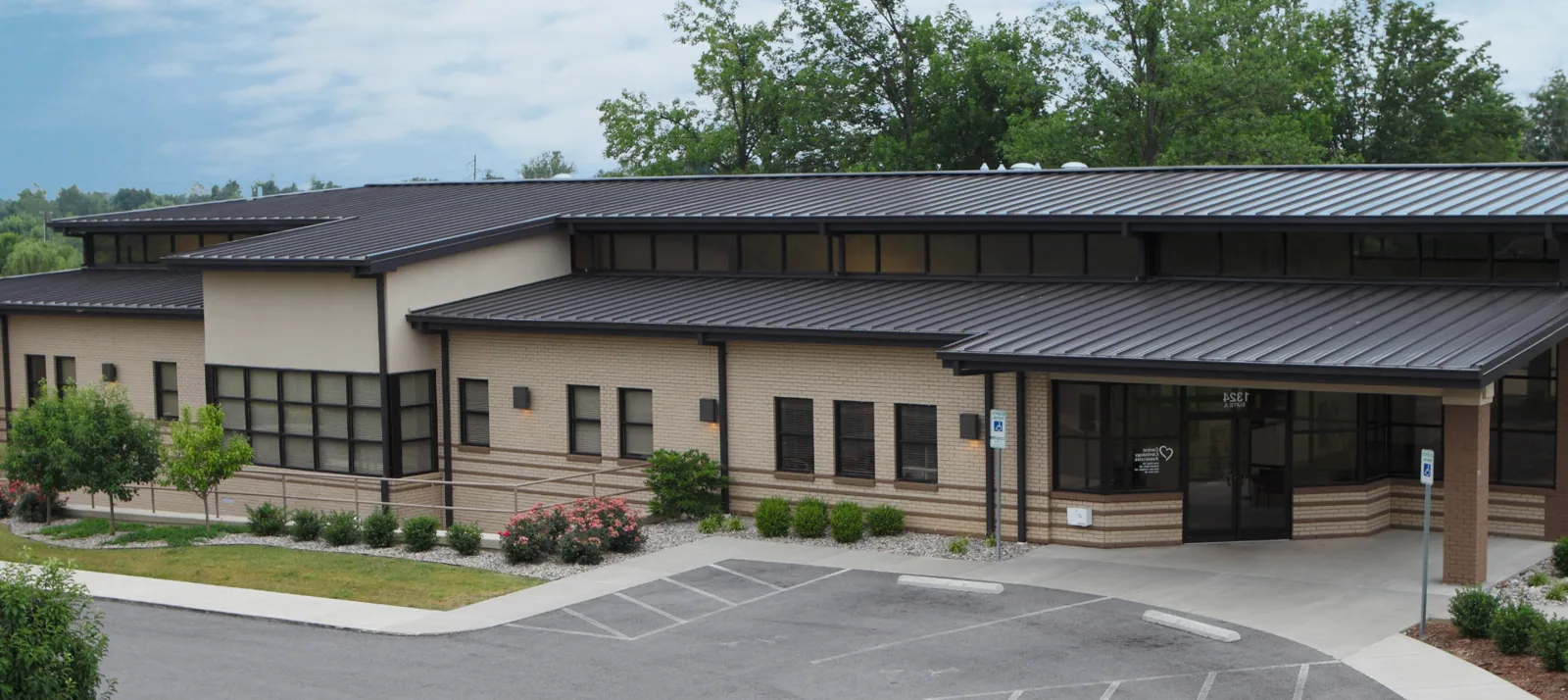
Standing-seam profiles use raised panel joints with system-specific attachment and closure arrangements. Some connections can be examined directly, while others require planned access or removal to establish their condition. We identify the actual profile and construction before comparing repair with renewal or a metal-roof retrofit. A roof-system decision can also involve a membrane alternative, with support, slope and the intended alteration reviewed before the assembly is changed.
Panel travel: Finding the restriction before rebuilding the joint
Thermal expansion and contraction require the movement arrangement intended by the selected metal system. A fixed point, sliding connection and perimeter closure can have different functions, so their locations and condition need examination rather than assuming every fastening should permit the same movement. We assess accessible clips, panel deformation and adjoining details, coordinating further investigation where concealed connections affect the repair. The roof should not receive a rigid surface correction that transfers stress into another part.
The Cedar Rapids airport's 1991-2020 normals include average daily highs near 28 F in January and 83 F in July. The roof experiences its actual temperature exposure during operation, making thermal movement a relevant design and inspection question for metal construction. We establish the profile's intended relationship to its support and terminations. Where a clip or detail no longer permits that relationship, the correction follows the material and attachment arrangement that must be restored.
Raised joint: Identifying the profile and water path
A standing seam can use a formed, snapped or mechanically seamed profile depending on the system, with closures and sealing requirements appropriate to that construction. We identify the joint before examining deformation, separation or previous repairs. Water may enter at a local defect or at a transition such as an end lap or termination. The repair method follows the actual profile rather than treating every raised seam as a joint that can be closed with another bead of sealant.
Where panels have moved or distorted, we assess the underlying cause and the adjoining connection before reopening or replacing material. Suitable repair can require system-specific parts, preparation and assembly methods. Tracing water at a metal junction helps establish the entry when the interior report does not resolve it. The weathering path and the movement relationship should both be restored so that a closed seam is not left beside an unresolved stressed detail.
Ends and edges: Completing the panel's weathering boundary
Ridges, eaves, valleys and sidewall connections place the panel within a larger water-shedding arrangement. We examine closures, flashing and supporting attachment where damage or leakage is reported, including the way runoff reaches gutters or another outlet. An intact-looking panel can still meet a defective boundary that admits water around or beneath it. The rebuild needs suitable connections at that transition rather than focus only on the broad metal surface.
Perimeter and gutter work can accompany panel repair where the discharge or attachment relationship has failed. We identify compatible metals and repair materials, considering unintended contact and previous products that may affect the junction. A replacement edge should retain the profile's necessary movement and direct water suitably. Altering an eave or outlet may also require design review where drainage, support or the roof arrangement changes.
Equipment interface: Joining a penetration to moving metal
A pipe or curb interrupts a metal field whose movement can differ from the component passing through it. We assess the penetration's support, flashing and clearance before choosing a detail, identifying any equipment contribution to the failure. A rigid patch attached indiscriminately across moving panels may restrict the system or stress the new connection. The appropriate repair needs to fit the selected profile and the actual component arrangement.
Coordination of equipment supports may be necessary where a new unit, pipe or altered loading has changed the roof relationship. We establish access and any required trade work before opening the weathering junction. The resulting flashing should connect through its intended water path while permitting the movement specified for that construction. Adequate preparation and service space need to remain available beside the equipment after rebuilding.
Below the panel: Evaluating support and moisture
Metal construction can include insulation, underlay and structural support whose arrangement changes how a defect is investigated. We identify those materials where the proposed repair or replacement depends on them, checking concealed condition through appropriate access. Moisture may originate through a weathering opening or involve condensation requiring another assessment. The roofing work should address the identified route rather than assume that replacing a panel resolves every wet layer below it.
Support deterioration and uncertain attachment need the relevant evaluation before new metal closes over them. We coordinate structural or design input where required and explain the material available for retention. Replacement of unsuitable roofing can offer a different rebuilding route from local intervention, but its profile, movement and support still need to be established as a complete system. The new construction should not inherit an unresolved connection that contributed to the original failure.
Commercial access: Planning removal above the working building
Walker has a community bank, municipal offices, a post office and local churches identified in its business directory. At a requested roof in Walker, panel removal can affect entrances, lifting space and occupied rooms directly beneath the work. We establish the actual profile, affected area and operating restrictions before choosing the daily section. The new or repaired metal needs a suitable temporary or permanent boundary while the building remains in use.
Walford lies across Benton and Linn counties and provides local permit information for building alterations and other work. For a requested metal-roof project there, we confirm the relevant property jurisdiction and review requirements before modifying construction. Access and material handling are coordinated with the actual building operation. A town location alone does not establish its panel profile or support, so those conditions are examined at the roof before the alteration is finalized.
At completion, we identify the reconstructed panel or junction and any separate connections needing further attention. Maintenance at accessible metal details should observe changes without restricting intended movement through unsuitable resealing. The facility director needs to understand which joints were rebuilt and how service activity can approach them. That information keeps future equipment work from unknowingly locking a connection whose ability to move is part of the roof's function.
Commercial Roofing Questions
Can a leaking standing seam be sealed without checking its clips?
The observed defect and movement relationship decide how much investigation is needed. A local weathering issue differs from stress caused by a restricted hidden connection. We examine the seam and adjoining evidence, then obtain suitable access to clips or support where those findings affect the repair.
Why are fixed and sliding panel connections treated differently?
Their roles follow the particular roof system's intended attachment and movement arrangement. A connection meant to hold a defined point differs from one intended to permit panel travel. We identify that arrangement before replacing or altering components so the repair does not restrict movement elsewhere.
Does panel replacement also require new gutter work?
The eave and discharge relationship needs examination with the proposed panel detail. An existing gutter may remain suitable, while damaged support or an altered roof transition can require additional work. We assess those adjoining parts rather than include or exclude them solely because the panel is being replaced.
What changes the repair around a new rooftop unit?
Support, loading, movement and flashing geometry can differ from the previous arrangement. We coordinate the equipment information and relevant design review, then select a roofing detail compatible with the metal profile. The new component should not force a moving panel into an unsuitable fixed connection.
Related Pages
Request a roof assessment or call 555-555-5555.
Questions? Call Us
Free roof assessment