
Senior Living Community Roofing in Cedar Rapids, IA
A fascia alteration that covers an emergency scupper opening can leave a roof without the overflow path intended for the drainage arrangement. The obstruction and adjoining outlet detail need assessment before the altered edge is treated as complete. Commercial Roofing Cedar Rapids examines senior living roofing in Cedar Rapids, IA, by connecting the overflow opening to the field, wall and exterior discharge. The correction should restore that intended route while resident areas remain appropriately protected during any edge reconstruction.
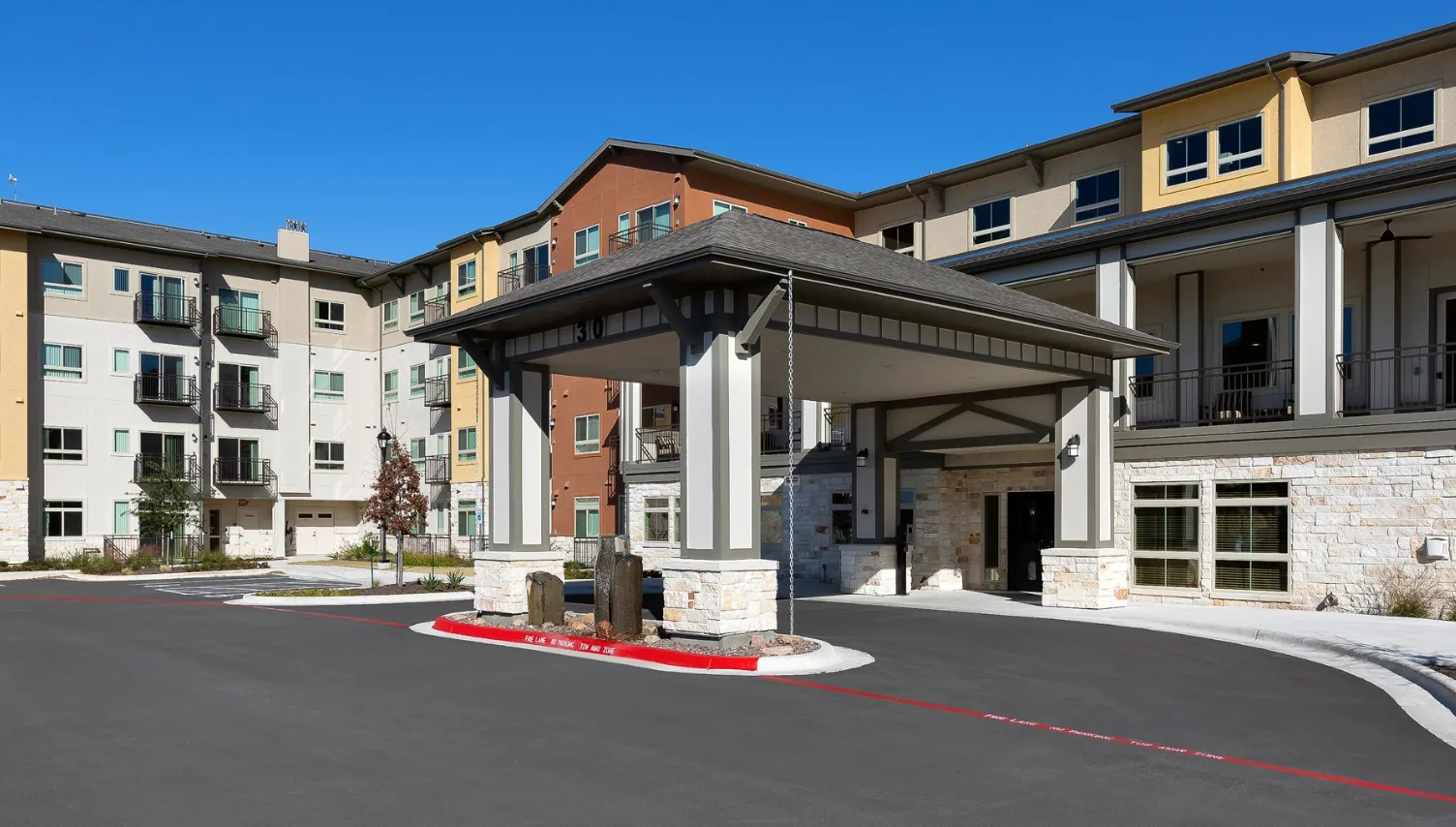
Senior living buildings can combine residential rooms, shared dining and support spaces beneath connected roofs. We establish the actual occupancy and affected area before selecting the work section. An adjoining multifamily residential wing or clinical service area may need different protection and access coordination. The roof's physical condition defines reconstruction while the operator identifies the resident and service requirements beneath the opening.
Secondary opening: Establishing the intended discharge before alteration
An emergency scupper or other secondary outlet forms part of the roof's designed drainage arrangement where provided. We identify its location, surrounding construction and discharge route before correcting an obstruction. The opening may be hidden by a later exterior alteration or restricted by another component. Restoring access to it requires examination of the actual detail rather than simply cutting a hole through the new fascia without addressing its weathering connection.
Assessment of primary and overflow outlets establishes the roofing tasks and relevant design review needed at the edge. We examine the field level and wall transition as part of the outlet connection. The completed opening should suit the intended arrangement and discharge appropriately beyond it. An altered edge needs to preserve that function alongside its roofing and exterior weathering details.
Wall connection: Rebuilding the detail around the restored outlet
Removing an obstruction can expose scupper flashing or receiving construction that also requires correction. We examine the opening's flange or other connection and the adjacent wall and roof materials. The chosen repair needs compatible preparation and attachment around the component. A clear discharge opening does not complete the work if water can still enter through an unsuitable weathering junction beside it.
Coordination of perimeter metal and wall details connects any fascia or edge work to the reconstructed outlet. We identify suitable receiving construction before new material is attached and coordinate separate exterior tasks where needed. The final arrangement should preserve the scupper's intended path without placing another cover or support across it. Corners, ends and adjoining laps receive attention as part of that same boundary.
Resident areas: Establishing protection and suitable access below the work
Resident rooms or shared spaces beneath edge reconstruction need protection coordinated with the building operator. We establish the affected location and any relevant restrictions before removing roof or wall material. Mobility, access and service requirements can change the arrangements needed at that particular area. The opening should proceed with appropriate interior measures and a suitable construction boundary already planned.
Planning roof work above occupied resident space connects those requirements to daily close-in and temporary weather protection. The operator identifies any necessary relocation or use restriction while we define the reconstruction tasks. If concealed findings change the opening extent, the protection arrangement is reassessed with the affected area. The work section must remain suitable through the actual material correction rather than depend only on an agreed start time.
Affected layers: Checking the field adjoining the drainage defect
Water retained during a drainage problem can expose defects in the field or outlet junction, so adjoining roof condition needs examination where relevant. We investigate reported leakage and suspect materials before choosing retention. The repair boundary follows the weathering connections and layers needing correction, not only the fascia piece that covered the opening. New detail work should join suitable construction around the restored discharge.
Rebuilding the affected roof materials may involve removal of wet insulation or other unsuitable layers. We establish receiving construction and coordinate additional evaluation where deterioration affects more than roofing. The selected system's layers and attachment are restored before the weathering surface is closed. The outlet and field need an appropriate connection through that rebuilt assembly.
Exterior handling: Keeping construction clear of resident movement
Entrances, service deliveries and resident circulation can use the exterior area required for lifting or edge access. We establish the actual routes before selecting equipment positions and material-handling arrangements. Appropriate separation is coordinated with the operator while roof work proceeds. The daily section needs both suitable access for reconstruction and the protection required at the occupied building boundary.
Future exterior alterations should also preserve access to the restored outlet. We explain where the secondary opening discharges and which adjoining details need to remain clear. An added sign, cover or equipment item should not interrupt that route without the relevant assessment. The facility director needs to recognize the overflow connection as a functioning roof component rather than treat its position as spare space behind the exterior finish.
Care and weather context: Applying the outlet review at the requested building
Mechanicsville's directory identifies a nursing and rehabilitation facility alongside a senior center and other community uses. At a requested senior living roof in Mechanicsville, we establish the actual resident and support areas beneath the work. The operator's access and care-related restrictions guide protection while the roof assessment examines the secondary discharge connection. The repair should restore its intended route with suitable weathering details around the opening.
The January 9, 2024 storm brought a reported 11.5-inch snowfall at a spotter location two miles northeast of Cedar Rapids. After snow and subsequent thaw at a requested roof, we examine outlets, debris and visible damage where inspection can be performed appropriately. An overflow opening hidden by exterior material needs assessment alongside the primary route. Any required load or design question is coordinated with the responsible evaluation rather than assigned from the reported snowfall alone.
Maintenance of accessible drainage and edge details can observe renewed obstruction or damage after construction. We explain the reconstructed outlet and the access needed to inspect it. Later roof or exterior work should preserve the opening and its weathering connection. New water reports are related to the particular roof area so the operator can coordinate the appropriate investigation and resident protection.
Walford provides municipal and community meeting functions through City Hall and its community center. At a requested residential property there, shared gathering areas beneath the work need their own access coordination when affected. We establish the actual space and exterior routes with the operator before selecting material handling at the roof edge.
Commercial Roofing Questions
What decides the correction when fascia obstructs an overflow scupper?
The intended drainage arrangement and actual outlet connection decide the alteration needed. We examine the roof level, wall detail and exterior discharge before reconstructing the opening. The correction should restore the designed function through a suitable weathering junction, not simply expose an unassessed hole behind the fascia.
Why examine the primary drain when the overflow is obstructed?
Both form part of the roof's relevant drainage arrangement and need their appropriate functions assessed. We inspect their connections and routes where the reported condition warrants it. Clearing the secondary opening does not establish the primary outlet's condition or resolve a separate damaged drain detail.
How are resident areas protected during edge reconstruction?
The operator establishes the affected occupancy, access and service requirements with us before removal. The opened edge and its temporary weather boundary are planned with those specific resident-protection measures in place. Any changed material finding is coordinated with the protection required beneath the revised opening.
Can an exterior cover be returned over the repaired scupper?
Its arrangement must preserve the outlet's intended opening and discharge route. We assess the proposed detail with the relevant construction requirements before reinstatement. A finish that recreates the obstruction would leave the roof's drainage function unresolved despite new flashing around the component.
Related Pages
Request a roof assessment or call 555-555-5555.
Questions? Call Us
Free roof assessment