
Reflective Cool-Roof Installation in Cedar Rapids, IA
A dark replacement patch within a reflective roof field can create a different temperature response beside its surrounding sheet, while an inadequate lap remains the connection that must be repaired. Rebuilding that detail calls for compatible material and a suitable weathering joint, with surface reflectance considered as part of the new arrangement. Commercial Roofing Cedar Rapids installs cool roofs in Cedar Rapids, IA, through the complete commercial assembly: covering, supporting layers, attachment, drainage and flashing. A reflective surface needs the same sound connections as the roof beneath it.
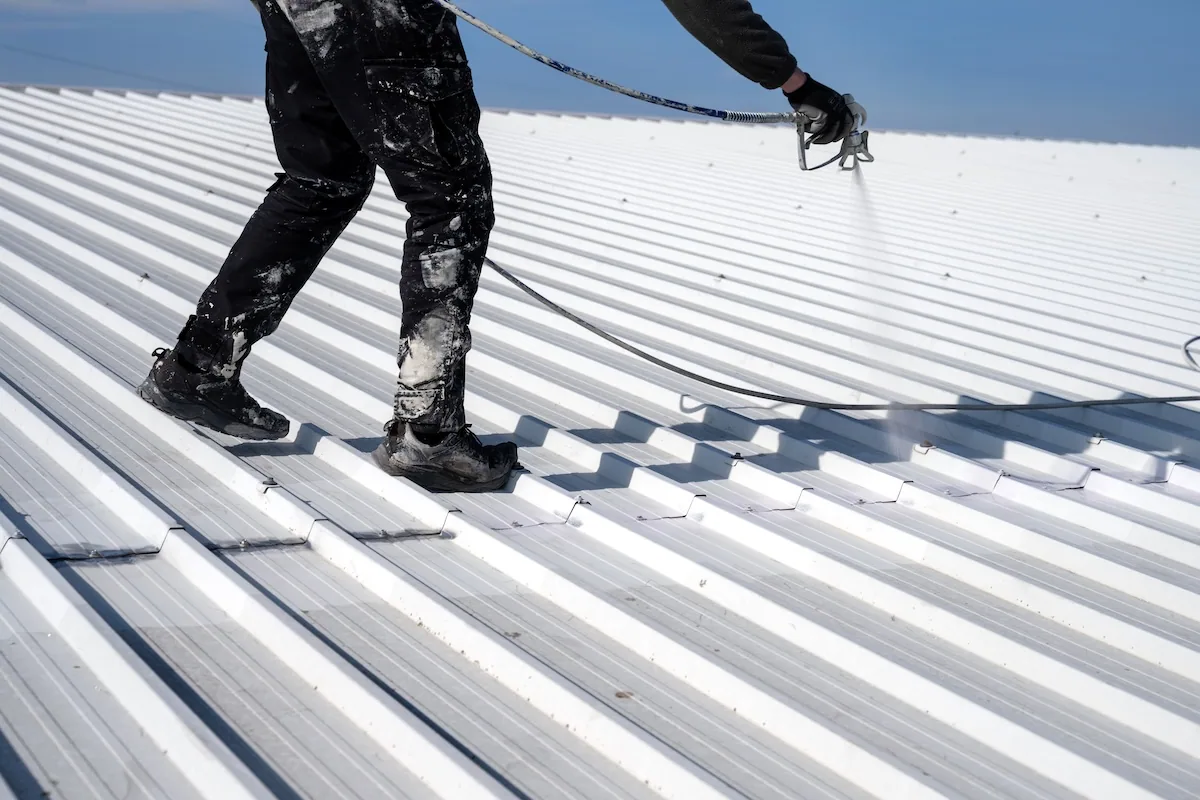
Cool-roof work aims to reduce absorption of solar energy at the exposed surface using a suitable reflective material. Its usefulness to the building also involves insulation, interior operation and the existing roof condition. We assess those relationships before selecting a new membrane or coating, identifying whether replacement of deteriorated roofing or a suitable restoration is required. The material choice follows the rebuilding needs rather than treating a lighter appearance as a repair for failed support or leaking details.
Solar exposure: Separating surface temperature from building performance
A reflective covering can absorb less solar radiation than a less reflective surface under comparable exposure, but its temperature is influenced by weather, shading, deposits and material properties. The heat reaching an occupied room also depends on the insulation and the rest of the assembly. We discuss the owner's concern and examine the existing roof so that the proposed work addresses the relevant layer. A warm interior may have several contributors that need consideration beyond the color of the roof.
At the Cedar Rapids airport station, 1991-2020 normals include 11.9 annual days reaching at least 90 F. Summer roof exposure makes reflective material a relevant option, while the station also has many freezing nights that place winter performance within the same decision. We assess the requested building's actual assembly, use and intended intervention without assigning an assumed energy saving. The resulting proposal explains how the surface choice fits the insulation, moisture and drainage conditions present.
Weathering layer: Choosing a compatible reflective arrangement
Reflective options can include suitable single-ply membranes or coating systems, each with its own receiving-surface and detail requirements. We identify the existing materials before considering a restoration, and we compare replacement systems through attachment, equipment exposure and the ability to rebuild adjoining junctions. A reflective TPO membrane still needs properly formed welded connections and suitable support. Its surface property does not replace the installation requirements that keep the assembly functioning.
Where coating is considered, the existing roof must be capable of accepting the selected material after appropriate preparation and repair. Restoring a roof with a reflective coating needs adhesion checks where necessary and correction of damaged seams or flashing before application. A loose sheet, wet insulation or an unstable perimeter can make coating unsuitable until the defect is rebuilt. The choice between coating and a new covering therefore begins with what can remain reliably below it.
Thermal layers: Rebuilding the insulation relationship
Reflectance operates at the surface, while insulation resists heat transfer through the assembly. Wet, compressed or interrupted insulation can affect useful performance and membrane support, so we examine those layers where their condition changes the project. A targeted concealed-moisture investigation may help establish suspect material before retention is proposed. Replacing the top covering alone can leave an unsuitable thermal and supporting layer beneath the new reflective surface.
We coordinate insulation and cover-board work with attachment, drainage and detail heights. The proposed thickness needs to fit curbs, terminations and outlets rather than be selected independently of them. Building use and interior conditions may also require air or vapor-control consideration, with suitable design review where the arrangement is changed. The new roof should connect its thermal and weathering layers in a configuration appropriate to the actual building.
Working details: Preserving drainage and movement
A reflective field can contain the same vulnerable junctions as another roof: separated laps, distorted flashing and an obstructed drain approach. We examine those connections before installation and include the work needed to restore them. Tapered material may improve runoff where the geometry allows it, but raising the field also changes flashing relationships. Equipment traffic and support locations need the appropriate protection so that a newly reflective surface does not become damaged during ordinary servicing.
At a repair transition, compatible materials and a suitable receiving edge matter more than visually matching one surface to another. We identify the system and repair history, then establish how new sheet or coating will connect to the retained roof. The resulting detail should accommodate intended movement and remain inspectable beside equipment. Maintenance of the exposed covering can address suitable cleaning and emerging defects without using a method that harms the material or its later repair connections.
Property use: Matching the choice to occupied space
Coralville contains retail development associated with Coral Ridge Mall as well as activity around Iowa River Landing. At a requested commercial building in Coralville, a reflective-roof proposal needs the actual room use, insulation condition and service restrictions rather than a retail label alone. We discuss the heat concern and the roofing intervention together, selecting the surface within a sound assembly whose details and access fit that property.
North Liberty's community center combines library and aquatic facilities, and its medical-building stock includes the University of Iowa Health Care development described in 2025. Institutional uses can present different interior conditions and operating constraints for a requested roof project. We identify the specific building and intended work before finalizing materials, with moisture control and occupied-space protection considered where relevant. A reflective covering should be one part of that coordinated roof arrangement, not an isolated response to a summer comfort complaint.
Project requirements: Confirming the assembly before installation
The Cedar Rapids building-code materials identify a 2024 IBC amendment. Iowa lists a state-adopted 2012 IECC, and the project's location, jurisdiction and alteration scope determine the applicable review. We establish those requirements before specifying insulation or covering changes. Surface reflectance, energy provisions and the complete roof assembly need to be considered through the actual project requirements rather than carried from one city or property type into another without examination.
Installation timing also follows material conditions. A suitable receiving surface, workable roof temperature and the selected system's preparation and curing needs can affect when work proceeds. We coordinate those requirements with interior protection and equipment service, then identify the completed assembly and its maintenance needs. The owner should understand which defects were rebuilt, what material was retained and how the reflective covering connects to the roof's ongoing drainage and service access.
Commercial Roofing Questions
Will a reflective covering solve rooms that feel too warm?
The building's heat-transfer and operating conditions decide how the surface choice contributes. Insulation, equipment, ventilation and interior use can affect room temperatures alongside roof exposure. We examine the roofing assembly and explain the proposed surface change, identifying other questions that need the relevant building-system assessment.
Can our existing roof receive a reflective coating?
Suitable condition and material compatibility must be established before restoration. Loose connections, wet insulation or a contaminated surface may require repair or removal first. We assess the retained assembly and selected coating requirements rather than treating a reflective finish as a way to avoid rebuilding a failed detail.
Does new insulation matter if the membrane is reflective?
Reflectance and insulation act at different parts of the assembly. A surface may absorb less solar energy while wet or unsuitable insulation still affects thermal performance and support beneath it. We assess the lower layers and include the work needed to provide a suitable base for the new covering.
What information helps compare a cool roof with another replacement?
The roof construction, heat concern, moisture findings and intended building use help establish the comparison. We evaluate reflective material together with attachment, drainage and detail rebuilding. The useful choice is the system that meets the project's requirements within a sound assembly, with its preparation and maintenance needs understood.
Related Pages
Request a roof assessment or call 555-555-5555.
Questions? Call Us
Free roof assessment