
Aircraft Hangar and Aviation Building Roofing in Cedar Rapids, IA
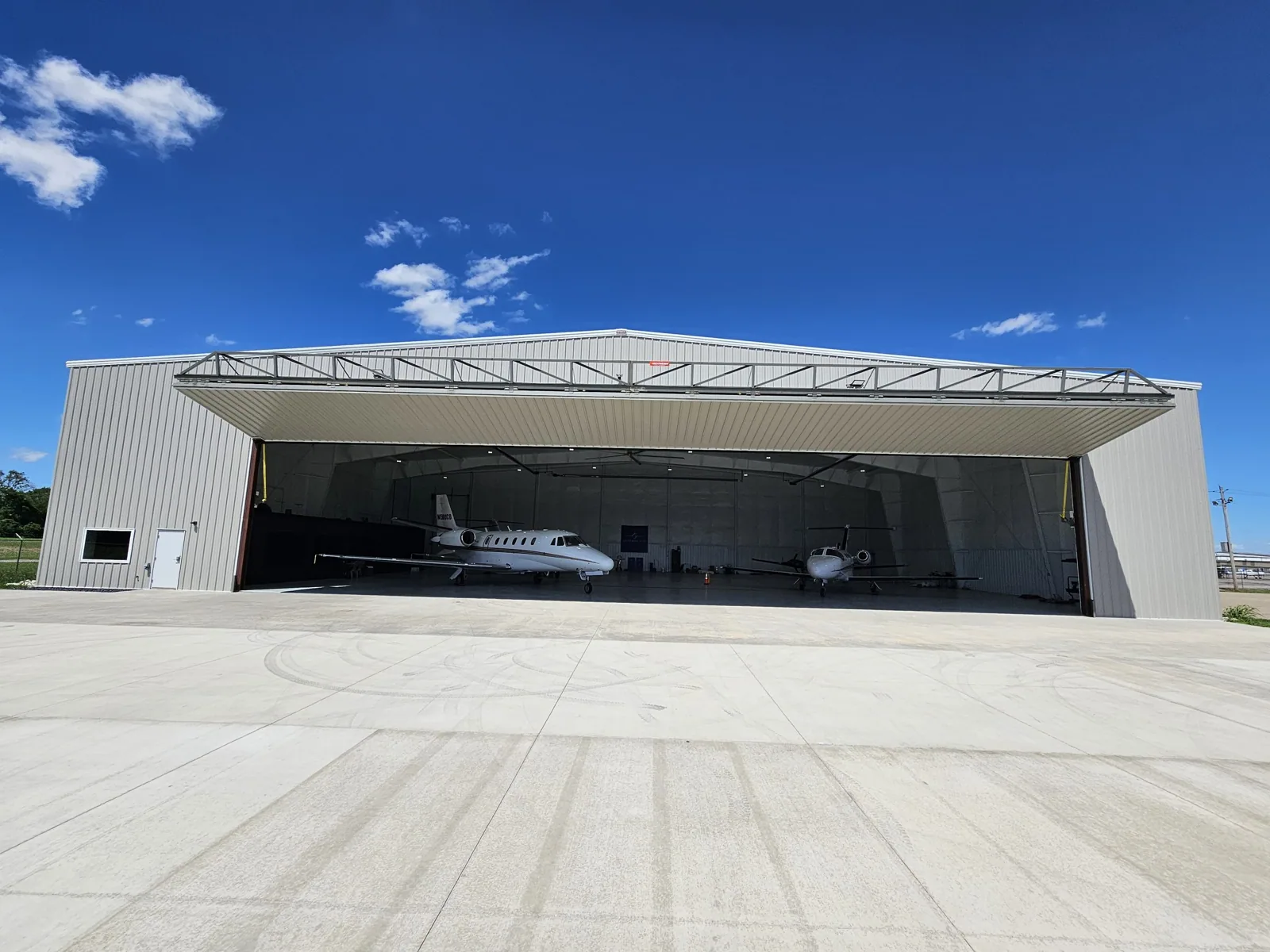
A torn flexible transition between a hangar door hood and the adjoining roof can leave the weathering connection open where the two constructions need an appropriate joining detail. Repair requires examination of the hood, its support and the roof materials before another rigid strip is placed across the opening. Commercial Roofing Cedar Rapids assesses aircraft hangar roofing in Cedar Rapids, IA, through that component-to-roof relationship. The correction should restore the intended junction while aircraft access and activity beneath the roof remain suitably coordinated.
Aviation buildings can include storage, servicing and other occupied areas whose requirements influence roofing access. We establish the actual building use and components involved before opening construction. An adjoining storage area or service workshop may need its own protection and handling arrangement. The roof work follows the selected assembly and the operation affected by the detail rather than assume every hangar has the same access restriction.
Door interface: Examining the hood and roof as connected construction
The door hood's attachment and relationship to the building determine how its weathering transition should be reconstructed. We identify the existing detail and coordinate the relevant door, structural or design input where needed. A flexible connection may have requirements different from the adjoining metal or membrane. The suitable correction follows that intended construction rather than replace a damaged transition with an unassessed rigid bridge.
Assessment of component flashing interfaces establishes the roofing materials and access required at the junction. We examine the receiving area on both sides, including previous repairs that may affect compatibility or movement. Any separate support correction precedes final roofing closure where it would otherwise disturb the new work. The completed transition should reconnect appropriately without interfering with the door's intended operating arrangement.
Hangar access: Coordinating removal with aircraft and service movement
Aircraft positioning and door use can limit where lifting equipment, roofing materials or debris routes may be placed. We establish the actual restrictions with the responsible operator before selecting construction access. The roof section needs a suitable handling route and protection below it while work proceeds. Component investigation at the door hood should not begin without the coordination needed to keep the operating area appropriately separated.
Interior protection may require relocation or isolation of aircraft, equipment or service activity beneath the affected junction. We establish those measures before opening the roof and maintain the agreed boundary through reconstruction. The operator identifies relevant access and service restrictions while the roofing assessment defines the material work. Any change discovered in concealed construction is coordinated with the protection needed beneath the adjusted opening.
Adjoining field: Identifying the system before selecting the repair
The roof beside a door hood may use metal or another weathering assembly whose connection requirements need identification. We examine the actual material, profile and attachment before selecting preparation. Damaged roofing may need local replacement or broader reconstruction if the retained field is unsuitable. The new transition should meet appropriate receiving construction rather than attach to a deteriorated edge solely because it lies beside the original opening.
Assessment of a standing-seam roof includes its intended movement and component-specific details where that system is present. Another assembly requires its own compatible method. We coordinate the selected repair with the hood junction and explain which construction will remain. The weathering field and transition need to function together through the completed arrangement rather than receive unrelated repairs at adjoining edges.
Concealed damage: Establishing suitable construction below the transition
Water admitted through the torn junction can affect insulation or receiving materials beneath it. We investigate suspect layers where their condition changes retention or close-in. The visible transition defect may not define the full reconstruction extent. Suitable new roofing needs an appropriate base after wet or deteriorated materials have been corrected, with further evaluation coordinated where the findings reach supporting construction.
Reconstruction of the affected roof layers restores those materials and their connections before the weathering detail is completed. The intended attachment and receiving condition follow the selected system and relevant design. If local retention is unsuitable, the intervention is compared with another assembly approach. The completed correction should address the identified damage without enclosing unresolved material beneath a new hood-to-roof junction.
Airport exposure: Applying weather information to the actual roof findings
A short-lived unrated tornado crossed cropland north of the Eastern Iowa Airport during the August 10, 2020 derecho. After reported storm exposure at a requested aviation roof, we examine displaced components, damaged sheets and the weathering junctions relevant to that report. The current physical condition establishes the correction. Door-hood support and adjoining roofing require coordinated assessment where damage affects the receiving arrangement for a new transition.
Cedar Rapids airport's 1991-2020 normals include average daily highs of 27.9 F in January and 82.8 F in July. The actual roof and component temperatures influence movement within their selected construction, making suitable transitions an important design and repair question. We identify the intended relationship at the hood and roof before choosing materials. The finished detail should suit the components' arrangement and relevant requirements through their service exposure.
Tiffin lies near the I-80 and I-380 junction. At a requested aviation-related building in Tiffin, access for roof equipment and materials is established at the actual premises. The operator's vehicle and aircraft routes, where relevant, guide separation while the physical roof findings define reconstruction. Regional road access does not replace coordination of the building's own handling and operating restrictions.
Marion Enterprise Center contains multiple developed or preliminarily platted industrial parcels with utility infrastructure. For a requested project in Marion, we establish the proposed or existing building use and relevant component details before defining roofing. We coordinate material access and operating restrictions at that premises, then resolve the roof-to-component connection and suitable temporary protection before opening its weathering boundary.
Finished boundary: Protecting each section through construction and service
Planning reconstruction above an operating building establishes the temporary weather boundary and daily section appropriate to the hangar's actual assembly. Necessary component tasks are coordinated before roof removal so close-in can follow a suitable sequence. A work section needs protection through the actual rebuilding extent, including any changed findings at the receiving material.
After repair, we explain the reconstructed transition and the precautions appropriate for future door or roof service. Maintenance of the accessible roof junction can observe new tears or component changes requiring assessment. The operator should preserve the completed arrangement rather than add another rigid repair across a transition whose function requires a different connection. Separate retained areas needing further attention are identified according to their condition.
Commercial Roofing Questions
What decides the repair material at a hangar door-hood transition?
The intended component relationship and adjoining roof assembly decide the suitable detail. We identify the receiving materials and coordinate relevant door or design input before selecting repair. A damaged flexible transition should not be replaced with an unassessed rigid bridge across the same junction.
Why assess the hood support before roofing close-in?
Its condition can affect the geometry and suitable connection available at the weathering detail. We establish any separate correction before the roof limits access. The rebuilt transition should meet the completed component arrangement rather than be disturbed immediately by later support work.
How is aircraft movement coordinated during roof repair?
The responsible operator identifies the access and protection restrictions at the actual building. We establish suitable separation for handling and removal before opening construction. The section needs appropriate weather protection while aircraft or service activity beneath it follows the coordinated operating arrangement.
Can the visible transition tear define all material replacement?
Moisture or deterioration below the opening can change the suitable rebuilding boundary. We investigate those layers where retention affects the new connection. The repaired junction needs appropriate receiving construction throughout its area, even when correction extends beyond the exposed tear.
Related Pages
Request a roof assessment or call 555-555-5555.
Questions? Call Us
Free roof assessment