
Commercial Roof Insurance Claim Assistance in Cedar Rapids, IA
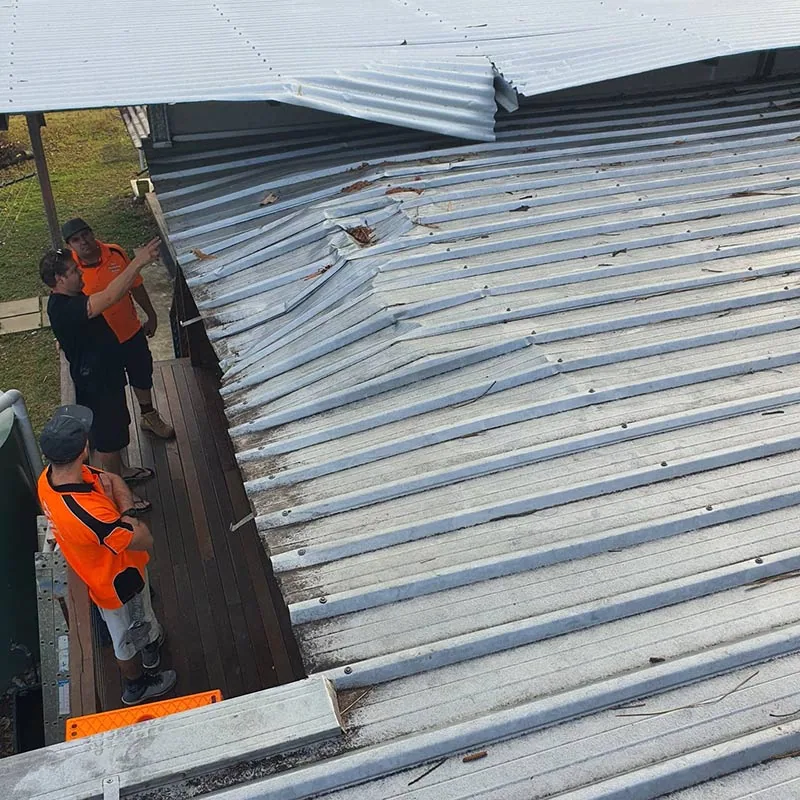
A torn lap beside a displaced coping section gives an insurance review a more useful starting point when its position and adjoining damage are recorded before protective work changes the detail. The facility director needs both an immediate repair decision and a clear account of the condition found. Commercial Roofing Cedar Rapids assists with commercial roof claim documentation in Cedar Rapids, IA, by examining damaged connections, photographing accessible evidence and describing the restoration those findings require. The roofing explanation follows the assembly, while coverage is evaluated through the policy and claim review.
We document visible damage, concealed conditions exposed during investigation and the work performed to protect the building. Those observations help separate the existing condition from temporary measures and later rebuilding. Urgent protection of an opening may need to proceed before a complete assessment, so the available pre-work record and the details of that intervention both matter. Safety remains the first constraint on obtaining photographs or reaching the damaged roof.
Initial condition: Connecting photographs to the failed detail
A close photograph of damaged sheet material needs a roof location and enough surrounding context to show the connection involved. We identify the affected area, the adjoining curb, seam or perimeter and the visible form of the defect. Wider views can show displaced components or nearby damage, while close views record an opening or broken junction. The useful record lets the reader connect the image to the assembly that must be repaired rather than interpret an isolated surface mark.
Damage to southwest Cedar Rapids apartments and businesses followed the derecho on August 10, 2020. For a requested assessment after reported wind exposure, we examine the roof's actual displacement, attachment and adjoining material, documenting those conditions before stabilization where access permits. Storm-damage investigation then relates the visible failure to the repair required. The account includes the reported event timing and observed condition without allowing a weather report to replace the physical examination of the building.
Assembly findings: Explaining what the visible damage affects
A puncture through the covering may affect only a limited field area, or water may have reached insulation beyond it. We examine the adjoining support and concealed material where the findings change the scope, using suitable openings or additional investigation. Moisture mapping with targeted confirmation can help define a wet area when the roof and observation conditions suit the method. The record distinguishes an indication from a confirmed material condition and describes where each was found.
Previous repairs and construction changes also affect the explanation. A separated lap beside an older patch may require removal of both to establish a compatible rebuilding connection, while a displaced metal section may expose damaged fastening below it. We describe the sequence through those parts, noting additional condition revealed during opening. The facility director and reviewer can then understand why the proposed repair reaches beyond the first visible defect and what material provides the boundary for new work.
Repair scope: Linking each task to a physical consequence
A proposed task should explain the defect it addresses and how the new work connects to the remaining roof. Removal of wet insulation, replacement of damaged sheet material and reconstruction of a curb corner solve different physical problems, even where they share one repair area. We describe them in the order needed to rebuild the assembly, including temporary close-in and access where those are necessary parts of carrying out the repair.
For a localized failure, compatible repair of the affected connection may be workable within otherwise serviceable roofing. Wider deterioration or damage can require a different removal limit, including replacement where suitable bounded connections are unavailable. The proposed scope should identify which condition supports that recommendation and where further investigation remains necessary. A new covering is not a substitute for correcting support, attachment or drainage that prevents the reconstructed detail from functioning.
The city’s published construction-code materials identify an amendment for the 2024 IBC in Cedar Rapids. Where the proposed alteration requires review, we establish the applicable jurisdiction and requirements before finalizing the assembly. Iowa plan review continues to apply to specified healthcare work and certain projects owned or funded by the state. The documentation connects necessary project requirements to the work rather than treating a city-code edition as a complete determination for every property.
Review access: Making the damaged area available safely
A claim review may require another examination of the affected roof or additional information about the construction. We coordinate access with the building contact and relevant parties, identifying safe routes and restrictions that influence what can be examined. A protected opening or stabilized component may now look different from its initial condition, making the earlier photographs and work description useful during that visit. The review needs to understand both the original observation and the current protective arrangement.
Municipal administration, community-center functions and public meeting rooms occupy Hiawatha City Hall. For a requested public-building roof assessment in Hiawatha, scheduled occupancy can affect access to the rooms beneath a damaged detail. We discuss those restrictions alongside exterior access so that the relevant condition can be examined without creating an uncontrolled exposure. The same coordination matters when a reviewer needs interior information to relate roof damage to an affected occupied space.
Occupied building: Recording protection and interruptions
Czech Village and New Bohemia include storefronts, entertainment venues and multifamily housing. A damaged connection above mixed occupancies may require interior protection, separate tenant access or a temporary restriction near equipment serving more than one room. We identify those actual needs for the requested property and describe the roof work associated with them. Phasing repair beside active occupancy can change the sequence, particularly when material removal must close in before another section can be opened.
Documentation also follows temporary protection into permanent restoration. We identify material installed to limit immediate exposure and the later work that replaces or completes it. Photographs during removal can show the concealed condition supporting an expanded boundary, while completion observations record the reconstructed connection. Keeping those stages distinguishable gives the owner a practical account of what remains, what has been rebuilt and how future maintenance should approach the repaired area.
Coverage questions, claim determinations and policy interpretation belong with the insurer and the owner's appropriate advisers. Our contribution is the roof's physical condition, the observations supporting the scope and the work needed to restore suitable connections. A located condition report provides that explanation in a form useful for the building as well as the review. The repair decision remains tied to the damaged assembly and the protection the operation requires.
Commercial Roofing Questions
Can emergency protection begin before the insurer visits?
Safety and preventing further exposure may require immediate work. We photograph accessible damage where doing so is safe and identify the protective measures installed. The owner coordinates claim requirements with the insurer, while our record preserves the observed condition and the intervention that changed it.
Why would the repair scope include material beyond a visible tear?
Adjoining damage and a suitable rebuilding connection decide the removal limit. Wet insulation, unstable support or damaged attachment may extend farther than the tear itself. We document those findings and explain how each additional task contributes to restoring the complete junction.
Will your roof assessment determine whether the policy covers the damage?
Coverage is evaluated through the policy and claim process. We provide physical findings, photographs and the proposed restoration, including additional conditions exposed during investigation. That roofing information supports the review without replacing the insurer's determination or the owner's policy advice.
What records should the facility director make available?
Roof construction history, previous repair information and dated interior observations can help explain the affected assembly. Provide available photographs taken safely and the timing of the reported damage or leak. Those details let us relate the current findings to the roof arrangement and distinguish protective work from permanent rebuilding.
Related Pages
Request a roof assessment or call 555-555-5555.
Questions? Call Us
Free roof assessment