
Carlisle SynTec Commercial Roofing in Cedar Rapids, IA
A seam that opens beside a roof curb can leave the field membrane attached while the flashing and adjoining insulation move apart. The repair follows that junction through its receiving layers, because a weld or lap cannot hold on soft support. Commercial Roofing Cedar Rapids works on Carlisle SynTec assemblies in Cedar Rapids, IA, by identifying the membrane, attachment and failed detail before choosing what can remain. The system name narrows the material; roof condition sets the repair boundary.
Carlisle SynTec offers EPDM, TPO and PVC membranes, fleece-backed products, insulation and accessories. Each brings its own preparation and connection requirements. We identify what is installed and whether earlier repairs changed its surface before matching replacement material to the assembly. Sound surrounding roofing may accept a bounded repair; wet or detached layers need removal before close-in.
Installed membrane: Confirming the sheet before selecting a repair
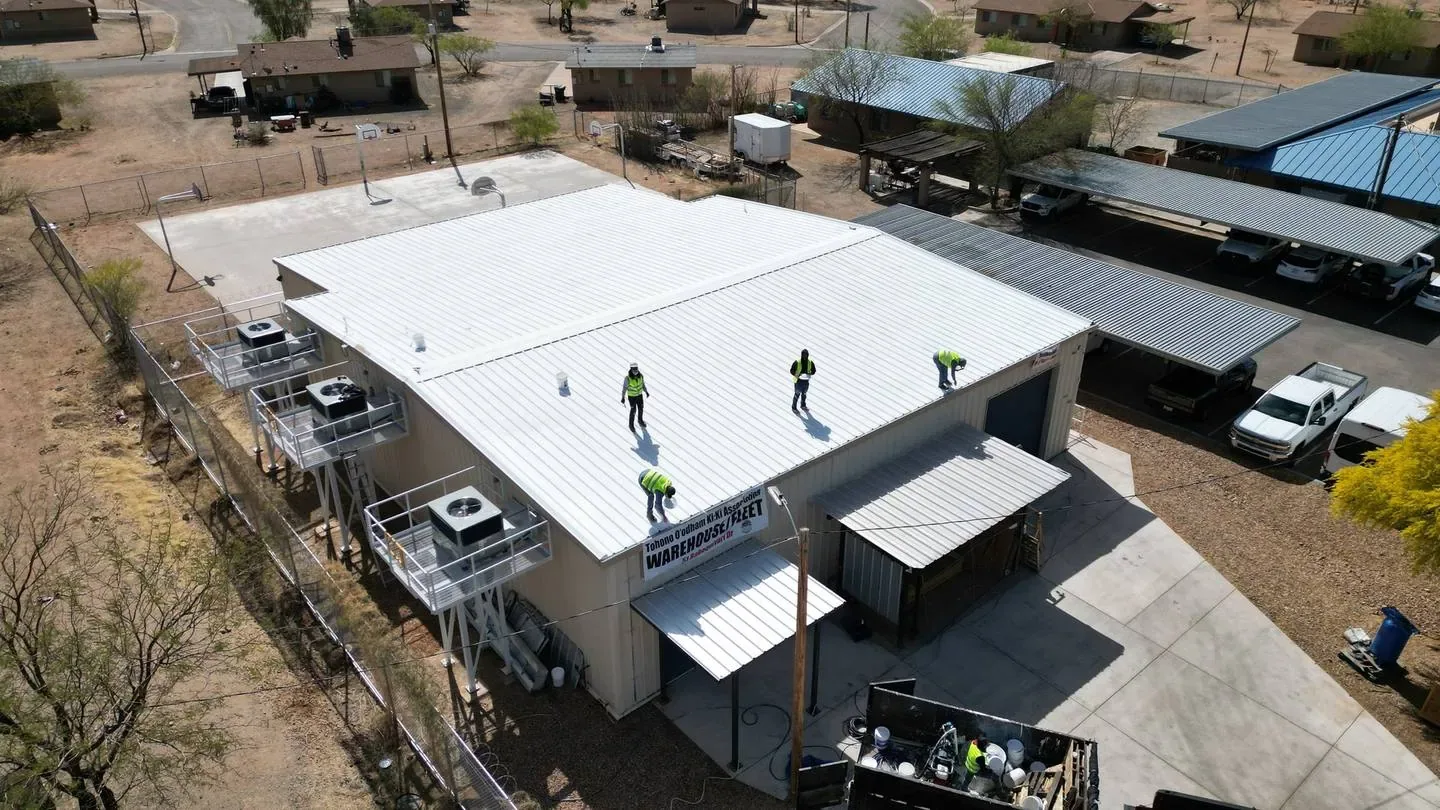
White single-ply roofing can look similar across manufacturers, so the surface alone does not establish which Carlisle membrane or attachment is installed. We review records, markings and seam construction where available. The distinction matters: thermoplastic membrane is welded, while EPDM uses different seam materials and preparation. Fleece-backed sheet also presents a different receiving surface, so repair materials follow the identified assembly.
The system may include Sure-Weld TPO, Sure-Flex PVC, Sure-Seal EPDM or a FleeceBACK membrane. We use product information for the actual roof rather than treat a brand name as a repair specification. TPO reconstruction needs a compatible heat-welded connection; EPDM repair uses its own seam and flashing approach. A coating, residue or patch can affect preparation, so we test the proposed tie-in before deciding where clean, supported roofing begins. This keeps the repair edge on material able to receive the new connection.
Related assemblies require separate identification. Johns Manville membrane systems and Soprema roof assemblies have their own material and detail requirements, even when the visible surface looks similar.
Open seam: Tracing separation into the adjoining assembly
A lifted lap can begin at a corner, a sheet turn or the end of an earlier repair. We inspect the seam and nearby transition to learn whether the opening is isolated. TPO and PVC need suitable material for welding; EPDM needs its own tape, primer and lap pressure. A narrow seal over an unsupported edge restores none of those connections.
We check whether water reached insulation, cover board or deck. On August 10, 2020, a derecho produced estimated winds around 140 mph in southwest Cedar Rapids and damaged apartments and businesses. That history does not establish damage elsewhere or a design load, but a wind concern makes the actual attachment and perimeter details worth examining. We define the failed area before rebuilding a separated seam.
A targeted moisture survey can focus openings where surface evidence is inconclusive. Physical checks set the removal limit; the retained edge must be clean, secure and compatible with the Carlisle connection.
Curb and wall junctions: Rebuilding each exposed water boundary
Curbs, parapets, drains and roof edges interrupt the field membrane with changes in plane, material and movement. Water can pass behind vertical flashing even when its exposed face looks intact. We examine the lower lap, corners, upper termination and any loosened metal. The selected repair must suit the Carlisle membrane and restore the whole detail; a surface film cannot replace missing flashing height or a failed receiver.
Equipment rails and conduits can limit access to a curb weld or lap. We identify what must be protected and whether movement is needed before opening the roof. Curb and penetration repair restores the transition, while outlet work needs its own membrane-to-drain connection. The repair boundary follows material capable of receiving a sound tie-in and each detail that must be rebuilt.
Accessories are selected for the actual Carlisle system, not by appearance alone. The flashing must meet the field, reach sound support and preserve the route to the outlet. Any separate wall receiver or metal correction is completed before the membrane closes.
Repair or replacement: Setting the removal limit from observed layers
A repair suits an assembly that can receive the new connection. Moisture, repeated separation or lost support can move the scope toward replacement. We compare the findings with drainage, insulation, deck attachment and detail height. If a recover is considered, layer count, compatibility and added height must be resolved before retained roofing is covered.
For broader removal, we set the layer boundary and restore insulation, cover board, membrane and flashing in sequence. Commercial roof replacement can include drainage and perimeter details beyond a single patch. The scope records what comes out, what remains and how Carlisle materials connect to the prepared assembly.
Cedar Rapids grain processing includes Quaker Oats, ADM, Cargill and General Mills facilities. Those names do not tell us a requested roof's construction. At the property, process exhaust, discharge, service routes and interior protection shape access. We review those conditions with the facility director before setting the work area and staging material.
Cedar Rapids buildings: Connecting local exposure to the repair detail
Airport-station normals show 1991 to 2020 January daily temperatures averaging 27.9 F at the high and 11.3 F at the low; July values are 82.8 F and 62.7 F. These Cedar Rapids station records are not roof readings. Seasonal movement makes laps, edge metal and curb flashing worth checking after visible separation. The actual roof sets repair scope, while exposure informs temporary protection and close-in timing.
Czech Village and New Bohemia combine storefronts, arts and entertainment, and multifamily uses. A requested property there may need phased deliveries and entrance protection while a failed detail is opened. We map the affected area, protect the interior and close each section under the selected system conditions. Work in Czech Village and New Bohemia follows the building's real operating limits.
Photos of exposed layers, preparation and the finished detail let the facility director compare findings with the approved scope. The completed condition needs a compatible lap, secure flashing, restored support and open drainage. A separate wall or equipment task is recorded before it can disturb the repaired junction.
Occupied work: Protecting access through exposure and close-in
Before opening an operating building's roof, we establish the interior condition, delivery path, equipment access and work period. A curb repair is opened when receiving materials and compatible Carlisle components are ready. Temporary protection must fit the exposure and planned close-in without replacing the permanent membrane connection.
If moisture changes the boundary, we explain what came out and which layers can stay. Preparation, seam formation and flashing termination follow the selected product requirements. Tenant access remains part of the sequence; the next section is opened only when its working limits and close-in can be managed.
At handback, we review laps, curb transitions and edge conditions with the facility representative. Documentation follows the applicable project records and requirements, without promising an unconfirmed warranty term. Maintenance access remains part of the plan, and any separate task that could disturb the repaired junction is identified.
Commercial Roofing Questions
How do you tell which Carlisle membrane is on the roof?
The material is identified from records, markings, seam construction and the exposed detail where available. Sure-Weld TPO, Sure-Flex PVC and Sure-Seal EPDM need different joining materials, so the repair is selected only after the installed sheet and prior surface treatments are understood.
When can a damaged Carlisle seam be repaired without broad removal?
A bounded repair is workable when the retained membrane can accept a compatible connection and its support remains sound. We examine the seam length and nearby layers, remove wet or detached material where found, then set the replacement edge at roofing capable of receiving the selected detail.
Can Carlisle roofing go over an older roof assembly?
The existing layer count, moisture, attachment, surface compatibility and finished height decide whether an overlay is suitable. We check the actual assembly and details before recommending retained roofing, because added material cannot correct wet insulation or an unstable base.
What should an operations team prepare before the repair opens?
The useful information is the leak history, interior effects, access limits, equipment schedule and any prior roof work. We use those details to set protection and close-in, then explain the exposed layers and final connection so the facility can plan around the completed scope.
Related Pages
Request a roof assessment or call 555-555-5555.
Questions? Call Us
Free roof assessment