
Wind Damage Roof Repair in Cedar Rapids, IA
A membrane torn beside a fastening plate can leave the fastener seated while the sheet no longer transfers force through that connection. On a mechanically attached roof with this finding, the visible tear raises questions about the adjoining attachment line, the condition of the receiving deck and how the replacement section will be secured. Commercial Roofing Cedar Rapids examines the damaged assembly in Cedar Rapids, IA, before choosing a removal limit. The repair must reconnect the roofing through suitable construction, with the attachment arrangement appropriate to the intended assembly.
Covering the opening restores only one part of that work if the neighboring sheet has also stretched, the supporting layer has broken or the fastener cannot hold in its receiving material. We follow the affected connection outward from the tear and inward through the layers it secures. That examination establishes where a limited reconstruction can end and where the attachment or support needs further evaluation before the roof is closed.
Attachment line: Follow the force through the adjoining layers
A fastening plate distributes restraint into the roofing material around it. Wind pressure can stress that junction, and the observed failure may involve the sheet, plate, fastener or material receiving the fastener. We inspect each part of the exposed arrangement instead of treating an intact fastener head as proof that the entire attachment remains suitable. Neighboring connections can reveal stretched openings or separation that the first tear does not show.
The roof system changes that examination. A mechanically attached sheet has different receiving details from an adhered membrane or a metal panel held by sliding clips. We identify the actual assembly, its available installation records and the portion affected by displacement. Reconstruction follows that system's required connections. TPO roof work and standing seam metal repair involve distinct attachment and movement considerations that must be resolved in their own assemblies.
A retained plate and a damaged plate also require different handling during removal. We expose the relevant connection without allowing loose sheet material to pull against the next sound attachment. Where a fastening pattern needs revision, the selected arrangement must be established before the replacement layers are installed. That order keeps the investigation accessible and allows the closing sheet to connect to the intended support rather than an improvised attachment left beneath it.
Reported exposure: Inspect the requested building after displacement
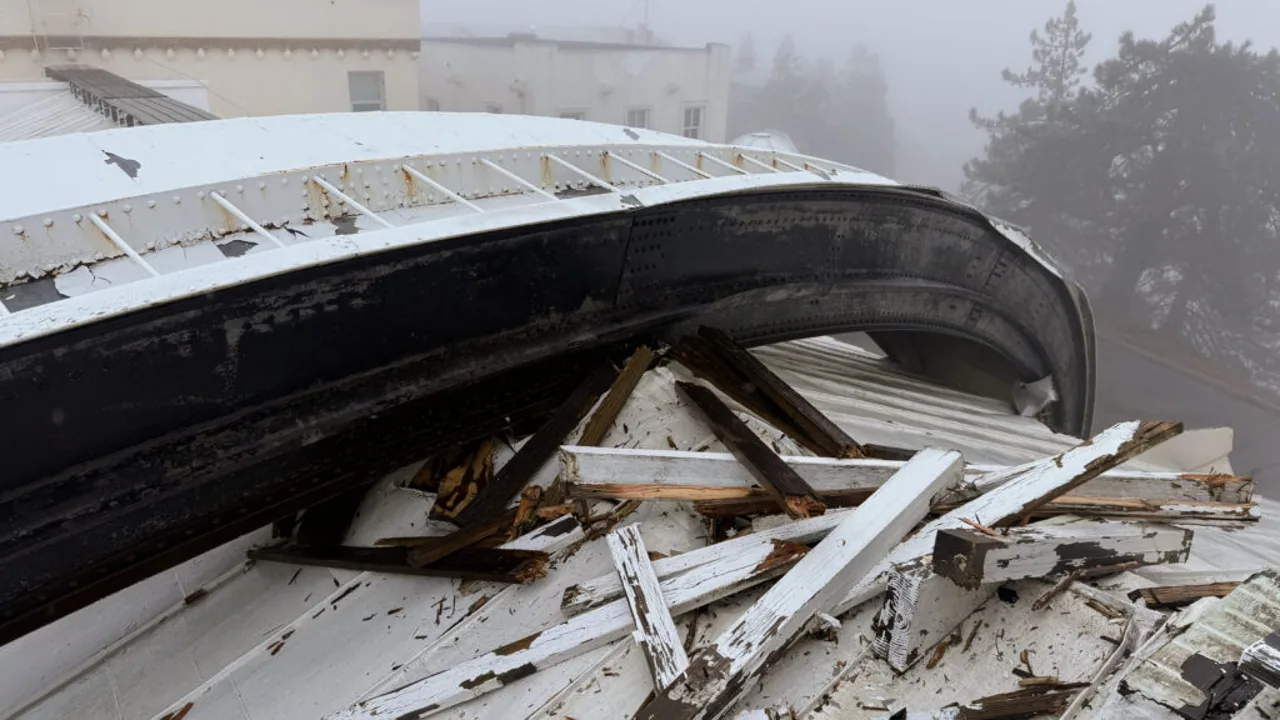
The August 10, 2020 derecho damaged businesses and apartment buildings in southwest Cedar Rapids, where winds were estimated near 140 mph. After reported wind exposure at a requested property, we look for detached components, torn roofing and disturbed connections, then establish which areas can be safely examined. We examine the affected fastening line and adjoining receiver, then establish the applicable attachment requirements for its reconstruction.
Loose equipment parts or displaced metal can create additional openings away from the first affected connection. We examine adjoining roof surfaces and components for contact damage, then coordinate any separate equipment or structural correction before restoring the membrane. A roof patch placed beneath an unsecured component remains exposed to further contact. The sequence connects storm damage restoration with puncture repair where the observed damage involves both movement and impact.
Receiving construction: Examine suspect deck and cover material
A plate can remain attached to a deck that has deteriorated locally, and a membrane can bridge fractured cover material beside a torn attachment. We examine suspect underlying construction where its condition changes the repair. Opening the relevant area allows us to distinguish a surface tear from damage that extends into insulation, cover board or the receiving deck. Wetness, separation and broken support affect which layers can remain.
Deck suitability may require design or structural review, particularly where the observed condition changes fastening requirements or the intended load path. We explain that handoff before installing new roofing that would conceal the unresolved connection. The repair area must provide suitable support for the selected layers and their attachment. Retaining sound construction outside the affected boundary can be appropriate, but the new work still needs a complete connection to that retained assembly.
Open roof: Match temporary closure to the exposed area
A wind-displaced sheet can leave an opening that grows if surrounding loose material remains unsecured. We establish safe access, protect the affected interior and address temporary weather protection according to the actual condition. Our emergency roofing response remains available at night, on weekends and during holidays when a reported opening needs attention. The immediate measure must account for exposed edges, water routes and attachments without confusing temporary protection with the permanent reconstruction.
Marion Enterprise Center includes developed and preliminarily platted industrial lots with utility infrastructure. At a requested building there, the operator identifies the equipment activity, occupied rooms and material routes that must remain protected while its fastening line is investigated. We establish those building restrictions before opening roofing. We coordinate roof staging with the building's designated receiving and service routes. The work sequence should provide the necessary investigation and closure while keeping the designated access and occupied interior protected.
Reconstruction limit: Restore sheet continuity and suitable restraint
After unsuitable material is removed, the replacement layers must connect to sound retained construction. We establish the receiving surface, layer sequence and attachment requirements before installing the closing sheet. A seam or transition that ends on stretched or detached material would carry the earlier failure into the new work. The repair edge therefore follows the condition of the surrounding assembly, including the space needed to form the selected connection.
Where adjoining metal was displaced, its support and joints require attention alongside the membrane repair. A reconstructed roof sheet should not be left beside an unsecured edge or equipment interface that can transfer new movement into it. We coordinate those components and inspect the finished water path. Flashing reconstruction can become part of the wind repair when the vertical junction has separated from the adjoining field.
Completed connection: Review the rebuilt area after protection is removed
Temporary coverings and displaced debris can conceal the final roof surface until they are removed. We examine the reconstructed area in its finished state, checking the closing connections, adjoining attachments and drainage approach. The facility director receives an explanation of the material removed and the retained boundary, including any separate component work still requiring coordination. Requested projects in Marion or Cedar Rapids need that same direct relationship between the observed failure and the construction handed back.
Photographs of exposed layers can explain why the removal limit changed during the work. We keep that information connected to the completed repair, so the facility's later inspection can locate the reconstructed attachment line and distinguish it from surrounding retained roofing.
Commercial Roofing Questions
Does a seated fastener mean a torn attachment can remain?
The deciding issue is the connection through the whole assembly. The sheet may have torn around an intact plate, or the receiving construction may be unsuitable beneath it. We examine those adjoining parts before establishing the replacement boundary.
How far along a damaged fastening line should inspection extend?
Nearby stretched openings, detached layers and displaced components can change the necessary investigation area. We follow the observable condition and examine suspect construction where it affects attachment or the closing repair.
What changes the sequence when equipment has shifted?
An unsecured component needs correction before the roof beneath it is permanently restored. We coordinate the equipment task with the membrane removal and rebuilding so the repaired surface is not left under the same damaging contact.
Can suitable roofing outside the wind-damaged area stay?
Retention requires a sound assembly that the proposed repair can reconnect to. We establish that receiving boundary, including support and attachment, before selecting a limited reconstruction instead of broader removal.
Related Pages
Request a roof assessment or call 555-555-5555.

Questions? Call Us
Free roof assessment