
Open Seam and Failed Lap Roof Repair in Cedar Rapids, IA
Incompatible residue from an earlier repair can leave the receiving overlap unsuitable for a new membrane connection. Where that condition is found beside an open seam, applying another strip over the same surface can carry the failed preparation into the replacement lap. Commercial Roofing Cedar Rapids examines failed roof seams in Cedar Rapids, IA, through the existing material, the earlier repair and the sheet available for reconstruction. The repair boundary needs to reach an area that can receive the selected compatible connection.
The necessary work changes with the residue and roof system actually found. Suitable preparation may restore a usable receiving area when the applicable procedure permits it. Where contamination or material damage cannot be addressed that way, removal must create a sound replacement boundary. We establish that condition before closing the seam, so the completed lap joins roofing material suitable for the intended detail.
Earlier application: Identify what lies on the receiving overlap
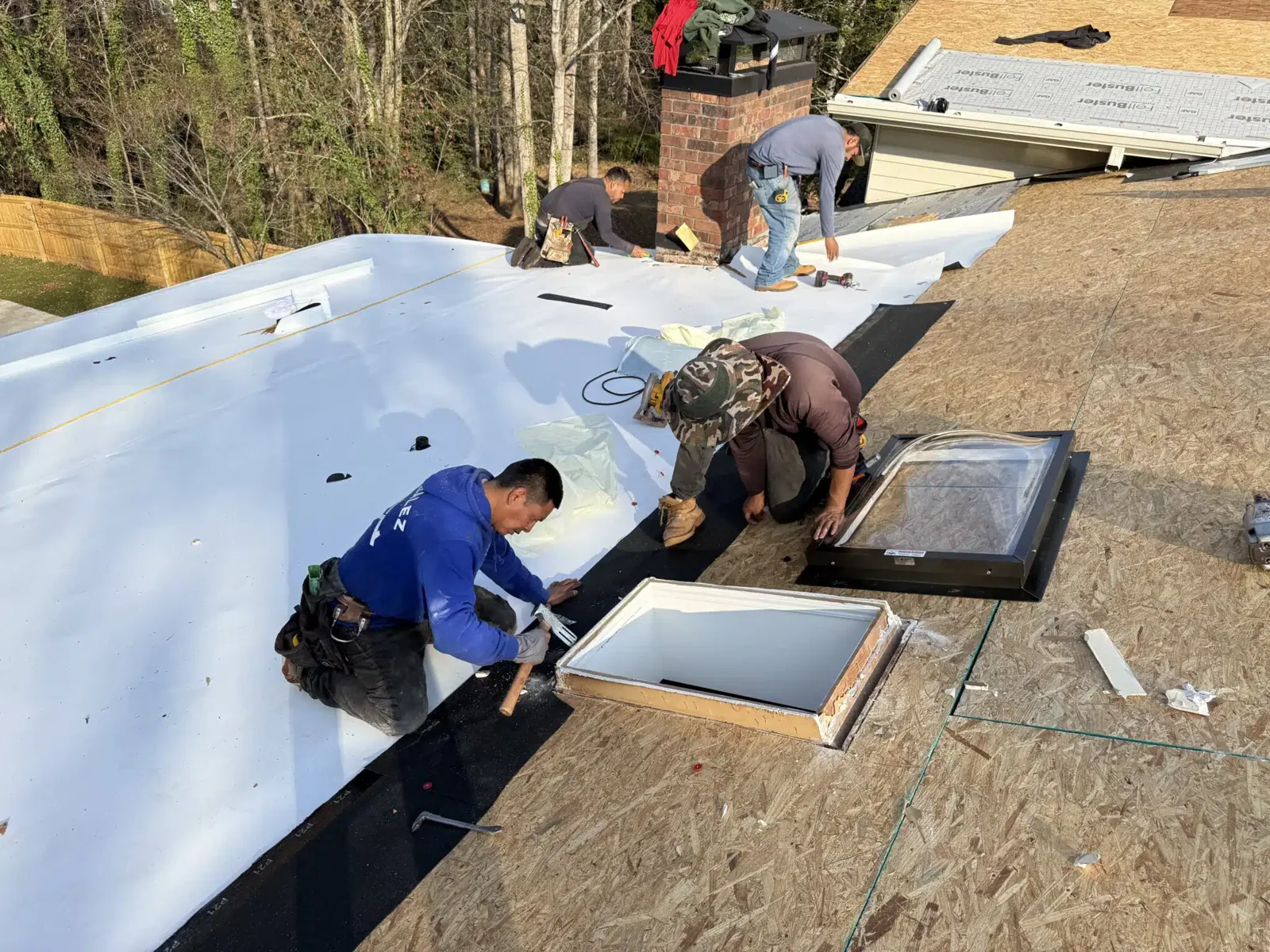
A seal applied across an open lap can obscure the membrane and leave material attached outside the original separation. We examine its extent and identify the installed roof before choosing a preparation method. The retained area may contain more than the sheet visible beside the patch. Adhesive, coating or other repair material at the joining surface can change what the replacement detail is able to connect.
We establish whether the existing material is compatible with the selected system procedure and whether it can be suitably prepared. The assessment should not depend on the earlier seal looking firmly attached from above. A replacement connection needs a suitable receiver across its required area. Our TPO repair work and EPDM lap reconstruction use the appropriate joining arrangement for the actual membrane rather than treating unlike repair materials as interchangeable.
Usable overlap: Establish where the new connection can begin
The visible opening provides a starting location, but the extent of unsuitable surface material can move the repair edge beyond it. We examine the adjoining sheet for deterioration and earlier applications, then establish an area large enough for the selected lap. A narrow exposed strip may not provide the receiving space required by that detail. The boundary must accommodate the connection as well as cover the opening.
Removal may involve the contaminated sheet rather than an attempt to preserve every part of the earlier patch. We explain which material can remain and which material needs replacement to obtain a workable closing arrangement. The chosen boundary should avoid leaving an inaccessible fragment beneath the new seam when that fragment interferes with preparation or connection. Suitable surrounding roofing provides the receiver against which the new detail can be completed.
Below the opening: Examine layers that change reconstruction
Water entering a failed seam can reach insulation or cover material while the adjoining sheet remains largely intact. We examine suspect underlying construction where the findings change the removal area or proposed retention. Wetness, separation and broken support can require reconstruction beneath the lap. A prepared top surface does not resolve those conditions when the assembly below is unsuitable for the intended repair.
The opened area allows the lower layers and sheet boundary to be considered together. We identify the material requiring replacement and establish the support needed by the closing membrane. Infrared moisture investigation can help identify areas for further examination, while the exposed condition establishes the affected reconstruction. We coordinate that examination before installing material that would conceal an unresolved wet or detached layer.
Material procedure: Prepare and join the selected roofing system
A welded thermoplastic seam requires the compatible sheet and preparation needed for that joining process. An EPDM lap uses its own specified materials and procedures. We identify the appropriate detail and assess the prepared receiver against those requirements. If the earlier residue cannot be removed or treated as the system permits, the boundary needs revision before the closing material is fitted.
Working conditions also affect preparation. Moisture, dust or new contamination entering the joining area during removal must be addressed through the applicable procedure. We keep the receiver accessible until it is suitable for the selected connection. The reconstruction then follows the installed assembly's requirements, including the material arrangement at corners or intersecting seams. An improvised seal over an unsuitable overlap leaves the reason for the earlier separation in place.
Adjoining junction: Close the lap through its related details
An earlier seam patch can extend into a curb base or penetration connection, leaving several repair materials at one intersection. We examine that complete junction and determine how the replacement lap will meet the adjoining flashing. The reconstruction needs enough suitable receiving material and access to complete each connection. Closing the flat seam while retaining an unsuitable corner receiver would leave another part of the same water route unresolved.
Vertical flashing correction may therefore become part of the work. A nearby membrane puncture repair is also assessed through its adjoining layers when the reconstruction reaches that opening. We establish the combined arrangement before the final sheet is placed, making the closing boundaries usable rather than stacking isolated patches into a confined junction.
Occupied public building: Coordinate access for preparation and close-in
Center Point includes the Andersen Library, and the Center Point-Urbana district serves Pre-K through high school. At a requested community building there, work above occupied rooms needs a defined opening and protection sequence. Removing unsuitable earlier repair material can expose more roofing than the visible seam split. We establish the interior restriction and planned closing period while preserving the space needed to prepare and reconstruct the complete lap.
Vinton has a public library as well. For requested work there, the facility director identifies access and room protection before the affected assembly is opened. We coordinate the investigation with that actual building arrangement, including material movement and temporary weather protection. Roofing in Vinton should retain enough working access to establish a suitable receiver rather than force the new seam onto unresolved residue to meet an unplanned closing sequence.
Completed seam: Review the receiver and the reconstructed boundary
Inspection of the finished connection follows the appropriate method for that membrane system. We review the lap perimeter, its intersections and the transition to retained roofing, explaining the earlier material removed and the construction rebuilt beneath it. The finished seam should connect suitable prepared material throughout its intended area. Photographs during removal can help the facility director understand why the receiving boundary changed before the roof was closed.
The drainage path beside the new connection also remains part of the final examination. Earlier patch thickness or removed material may have affected how water approached the seam. We check the completed arrangement and identify the reconstructed area for later maintenance, keeping the explanation tied to the roof assembly handed back.
Commercial Roofing Questions
What decides whether earlier repair residue can remain near a seam?
The deciding factor is whether the selected system procedure permits a suitable connection to the prepared receiving area. Material that remains incompatible or prevents preparation changes the removal boundary before the new lap is installed.
Why can the repair extend beyond the visible seam opening?
Unsuitable surface material or damage below the sheet can reach farther than the split. We establish enough sound receiving construction for the required closing detail, including any lower-layer replacement needed beneath that connection.
How is a lap crossing several older patch layers reconstructed?
We identify the membrane and earlier applications, then establish which layers can provide the required receiver. The closing arrangement removes unsuitable material and connects the replacement sheet through the affected junction rather than covering an inaccessible overlap.
When should underlying material be opened during seam repair?
Suspect wetness, separation or loss of support requires examination where the result changes retention or reconstruction. We establish that condition before a new lap conceals the receiving assembly and limits access to it.
Related Pages
Request a roof assessment or call 555-555-5555.
Questions? Call Us
Free roof assessment