
Roof Membrane Puncture and Impact Repair in Cedar Rapids, IA
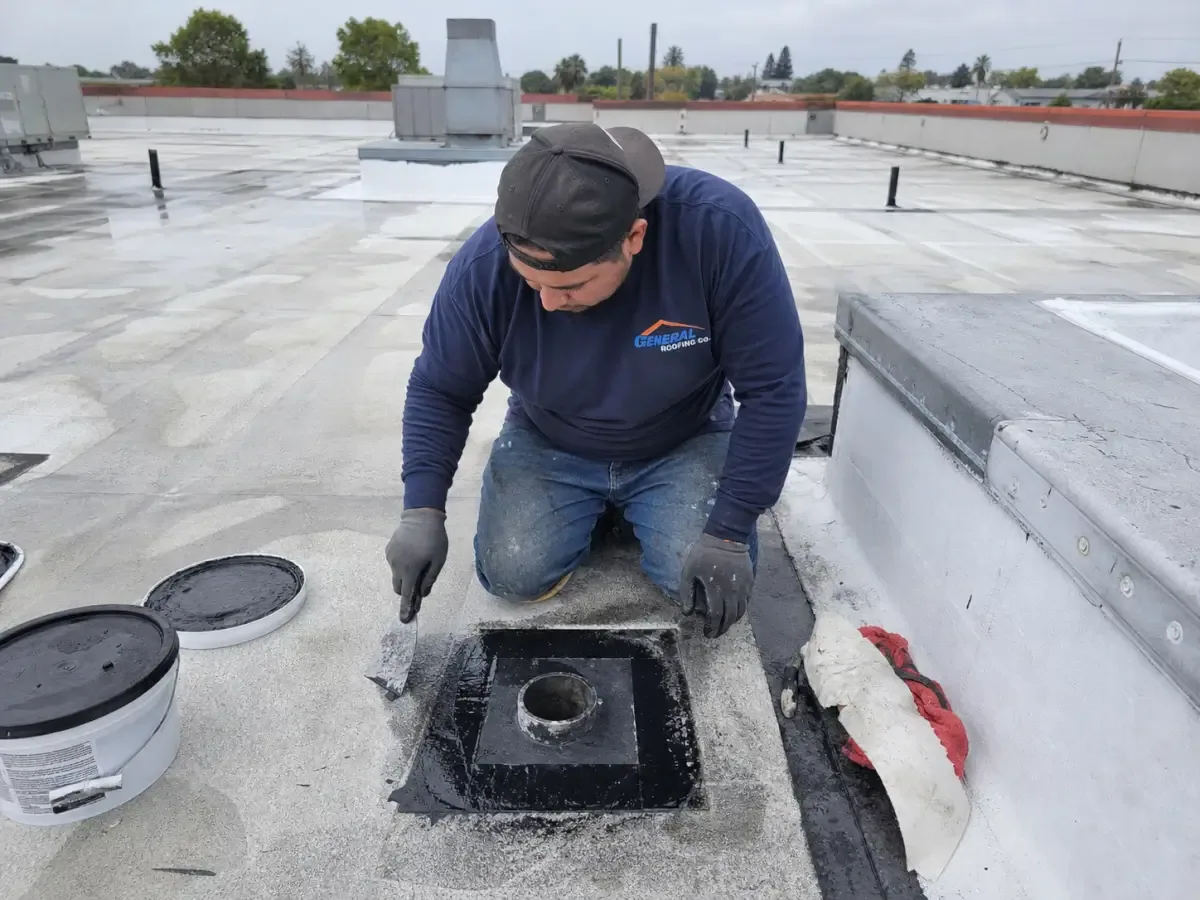
A broken equipment-cover fragment embedded through a roof sheet can leave an opening whose full shape becomes visible only after the fragment is removed. The piece may extend into insulation or cover material, so placing a surface patch beside its exposed edge does not restore the penetrated assembly. Commercial Roofing Cedar Rapids repairs membrane punctures in Cedar Rapids, IA, by examining the impact location, removing the embedded material through a coordinated opening and establishing the layers needing reconstruction. The permanent repair must reconnect suitable material across the actual damage boundary.
The fragment and receiving roof need assessment together before removal changes the exposed condition. We establish access, protection and the compatible closing arrangement while the affected detail can be examined. A narrow visible entry point can reach farther below the sheet or conceal a larger tear, changing the material that must be removed before the roof is rebuilt.
Embedded fragment: Examine the entry point before changing the opening
A brittle fragment can break further during removal and leave sharp pieces in the affected construction. We examine its position and the accessible membrane damage, establishing how the relevant area will be opened and protected. The extraction task must be coordinated with the roof reconstruction rather than leaving the exposed penetration without its planned closing sequence. Nearby broken material also needs assessment where it could obstruct or damage the work area.
We identify the entry location and surrounding tear through close examination. The damaged sheet may extend beyond the visible fragment edge, while intact-looking material can cover lower damage. Hands-on roof examination establishes those relationships and the receiving area available for repair. Photographs before and during removal can explain the opening and layer condition that the finished patch later conceals.
Where the fragment came from an adjoining component, we coordinate assessment of the remaining assembly with the responsible trade before it can shed additional material into the opened roofing work area.
Penetration depth: Follow the impact through the receiving layers
A piece reaching through the membrane can fracture cover material, disturb insulation or enter another underlying layer. We examine the exposed construction and identify the material that remains suitable for retention. Broken support beneath the sheet changes the reconstruction even where the surrounding membrane is otherwise usable. The new patch needs a receiving assembly capable of supporting its intended connection.
Suspect wetness is examined where it changes removal, particularly if water has entered around the fragment. We establish the affected boundary before installing replacement layers. Cover board and insulation rebuilding restores the unsuitable lower material once the relevant support is suitable. The repair then closes across the complete affected assembly rather than leaving a fragment-damaged layer concealed beneath a new weathering sheet.
Damage outline: Establish a usable boundary beyond the impact tear
Removing the fragment can reveal a slit, displaced sheet or several smaller openings around the penetration. We examine the surrounding membrane and earlier repair material to determine where the selected closing detail can be prepared. The patch boundary needs enough compatible receiving sheet for the system procedure, not merely enough area to hide the visible impact mark.
If the tear reaches a lap or vertical junction, the repair arrangement must include that connection. A patch forced into an inadequate gap can leave an inaccessible edge beside the adjoining detail. Open seam repair and flashing reconstruction restore related junctions where the impact area reaches those materials. We establish their support and closing space before fitting the replacement sheet.
Closing material: Identify the installed system before preparing the patch
A thermoplastic membrane requires its compatible repair material and appropriate welded connection. An EPDM assembly uses a different joining arrangement, while coated or bituminous roofs need their own suitable reconstruction. We identify the actual system and receiving surface before selecting the closing detail. An earlier coating or patch can interfere with preparation and require correction at the boundary.
The exposed receiver is prepared through the procedure appropriate to that assembly. Any contamination, deterioration or incompatible earlier material affecting the connection is addressed before the patch is installed. The replacement sheet must have suitable support beneath it and a workable lap around its perimeter. Its closing arrangement follows the roof material found rather than one general seal used for every impact opening.
Requested community property: Coordinate protection beneath the penetrated area
Springville has city administrative offices at City Hall and identifies its Memorial Library as a local public service. At a requested community building in the city, impact investigation needs the affected interior and roof access established before the fragment is removed. We coordinate the opening with the room protection required during examination and rebuilding, including any lower-layer removal that enlarges the work area.
Walker's business directory identifies a bank, City Hall, a post office and churches. For requested roof work at a property there, the building's actual occupied use determines the access and protection arrangement. We establish those restrictions with the facility team while preserving the examination needed through the penetration. Roofing in Walker reconnects the affected layers according to the material found and the suitable receiving boundary established during removal.
Restoring order: Replace broken lower material before closing the sheet
After embedded fragments and unsuitable material are removed, the lower replacement layers are installed according to the selected assembly. Their support, height and attachment need to suit the closing membrane. A local change in receiving level can affect the patch geometry or the route of water beside it. We establish those relationships before permanent material conceals the repair area.
The new sheet then connects to the prepared retained boundary through its appropriate detail. Temporary protection and any interim attachments are addressed as part of that permanent closure. The sequence should leave no embedded piece, broken support or unresolved opening within the reconstructed assembly. Where separate equipment-cover replacement is also needed, that task is coordinated so its remaining debris does not become another impact hazard during the roofing work.
Completed patch: Examine the rebuilt perimeter and adjoining water route
Final examination follows the patch connection and its relationship to the surrounding roof, including intersections and the drainage surface beside it. We explain the penetrated layers replaced and the boundary where the new work meets retained material. Photographs of the opened area can show why the fragment required more than a superficial seal. The facility director receives the reconstructed location for later inspection and equipment coordination.
Preventive maintenance examines the repair for renewed separation, disturbed adjoining components or new debris after later service activity. The completed detail should retain a suitable weather connection and receiving support, with the water route preserved around its perimeter. Any future equipment task crossing that area needs to account for the restored assembly rather than obscure it beneath unassessed materials.
Commercial Roofing Questions
What determines the removal area around an embedded roof fragment?
The determining condition is the tear and layer damage exposed around the penetration. Broken support, wetness or several openings can extend the boundary beyond the visible entry point. We establish suitable receiving material before closing the repair.
Why coordinate fragment removal with the roofing sequence?
Extraction can expose a larger opening or leave broken pieces in lower material. We establish access, protection and the reconstruction arrangement before changing that condition, so the affected roof can be examined and suitably closed.
How is a puncture reaching an existing lap repaired?
The closing arrangement needs enough prepared material at the lap and adjoining sheet. We reconstruct the relevant junction where an isolated patch would leave an inaccessible or unsuitable edge beside the impact area.
Can lower layers remain after a fragment is removed?
Retention requires material suitable for the intended repair and its support. We examine broken or wet layers where their condition changes reconstruction, replacing unsuitable construction before the weathering sheet conceals it.
Related Pages
Request a roof assessment or call 555-555-5555.

Questions? Call Us
Free roof assessment